
Home » The Ultimate Guide to Choosing the Best Stone for Your Outdoor Patio
The Ultimate Guide to Choosing the Best Stone for Your Outdoor Patio
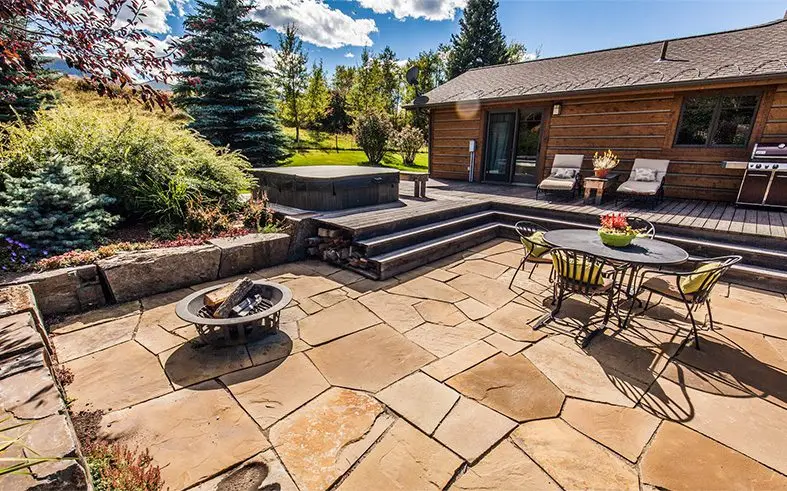
Outdoor patios are great places to relax and cool down after a long day. For this reason, it is crucial to get the right design that suits your needs. While most people prefer stone textured floors and surfaces, choosing the best stone can be tricky.
Using a proper stone for your outdoor patio creates an aesthetic appearance and ensures strength and durability. Here is a guide to help you pick a unique and reliable stone when designing your patio.
Table of Contents
1. Draft Your Budget
Your budget is important when choosing a stone for your outdoor patio. Since different stones cost differently, drafting a budget allows you to filter your options. For example, choosing granite and travertine will cost you more since they are harder and weigh more.
On the other hand, slate and sandstone are generally less costly. Therefore, budgeting helps you avoid unexpected costs and helps you understand if you’re financially fit for the project. While it does not solely determine the stone you’ll use, it plays a significant role in your choice.
Popular Stone For Patio | Cost(per square foot) | Features |
Limestone | $6-$15 | Smooth,uniform appearance.Requires sealing periodically. |
Sandstone | $7-$20 | Earthy tones.Slip-resistant.Can be prone to weathering in harsh climates. |
Travertine | $8-$25 | Cool underfoot.Requires sealing periodically. |
Slate | $10-$20 | Textured surface.Durable. |
Bluestone | $10-$25 | Natural, rustic look. Durable and slip-resistant. |
Granite | $15-$30 | Available in a variety of colors and veins. Highly durable and weather-resistant. |
Flagstone | $15-$35 | Unique shapes and natural look. Requires sealing to prevent flaking. |
2. Consider the Area’s Climate
Consider the area’s climate when choosing a stone for your outdoor patio. Since different stones have different properties, some are more durable than others. Therefore, go for stones that withstand natural conditions like high temperatures and rainfall.
Also, climatic conditions often affect the surfaces of stones differently. Wet conditions make some stones slippery, creating safety concerns. In addition, harsh weather conditions can affect the appearance of your patio if you use stones that do not fit.
This is why you must factor in the climate of your location when choosing a stone. Do not use materials that can be dangerous or break under environmental conditions.
3. Evaluate the Aesthetics
The stone for your outdoor patio must match your overall outdoor design. Pay attention to its color, texture, and style. For example, if your outdoor space looks modern, consider using travertine and granite. If you want a more natural feel, sandstone and slate work better.
Your stone choice should also match your surrounding landscape. The plants, pathways, and other outdoor features should be in sync with the stone you use for your outdoor patio. Also, use a stone that shows your personal style and preferences. Finally, your choice should better highlight your patio’s features.
4. Pick a Stone
Many different stones complement an outdoor patio. You can choose granite, marble, travertine, slate, or limestone. Since they have different textures, colors, and overall properties, you’ll have a wide range of options.
Here are their overall properties and the pros and cons of using these different stones:
Granite
Granite is the toughest and most durable natural stone, making it excellent for use in places with severe weather conditions. If you’re choosing a natural stone, granite should be among your top options. It comes in different colors, from white to different shades of black.
Here are the advantages of using granite for your outdoor patio:
- Durability
- Low maintenance
- Aesthetic appeal
- Heat resistance
- Variety
Here are the downsides to using granite:
- High cost
- Weight
- Slippery nature
- Installation difficulty
Marble
Marble is typically more porous and less firm. For this reason, you must seal it adequately to maintain its strength. However, many people choose this stone for their patio due to its classy and distinctive appearance. Marble comes in different colors, so you can also get it in white or black hues.
Here are some advantages of using marble for your patio:
- Durability
- Versatility
- Aesthetic beauty
- Increases property value
Here are the cons of using marble:
- High porosity
- Costs
- Slipperiness
- Color fading
- Sensitivity to weather conditions
Slate
While slate is durable enough for your outdoor patio, it isn’t as strong as granite and marble. Because of their unique appearance, slate tiles can add significant visual appeal to your patio. You can get this stone in grey, brown, orange, and tan colors.
Here are the pros of using slate for your outdoor patio:
- It is durable and resistant to cracks
- A unique aesthetic feel
- Slip resistance
- Low maintenance
- Resistance to heat
Here are the disadvantages of using slate for your outdoor patio:
- It is porous and can stain
- Can fade and weather
- Slate is prone to flaking
- Heavy and weighty
Limestone
Typically, limestone is more porous and softer than other stone options, so it can wear quite easily. Limestone also cracks in extremely cold conditions. However, its unique texture and soft light colors make it a popular option among homeowners.
So, here are some advantages of using this stone for your patio:
- Easy to install
- Cool and comfortable
- Aesthetic outlook
- Versatile
Here are the downsides to using limestone:
- Porous and stainable
- Chemically sensitive
- Requires regular maintenance
- Soft nature
Travertine
Travertine is a unique type of limestone that mostly comprises calcite. While softer than limestone, it has a similar texture. However, travertine can often crack under adverse environmental conditions, so you must seal it adequately when using it.
Here are some pros of using this stone for your outdoor patio:
- Allows water draining
- Provides a cool surface
- Resistance to slip
- Offers aesthetic appeal
- Offers versatile options
Here are the downsides to using travertine:
- Porous and stainable
- Fades with time
- Sensitive to weather conditions
- Hard to install
- Relatively soft
5. Consider Maintenance Needs
Figure out the maintenance requirements of the stone you’re considering. Some stones are low-maintenance, while others require more routine checks. Typically, limestone and sandstone require more maintenance than others.
Stones like marble require frequent sealing, cleaning, and repairs, which adds to the overall cost of maintaining your patio. The time and effort you may spend on maintenance can be problematic, especially if you have many other engagements. Consider low-maintenance options that allow you to enjoy your patio without stressing.
6. Request for Samples
Before choosing a stone for your outdoor patio, get samples of all your options. This way, you can see how they appear in your outdoor environment and whether they match. You can also better assess their colors, texture, and general appearance.
Getting samples also allows you to evaluate their quality and overall properties. Before choosing one, check its durability, texture, and visual patterns. This helps you to avoid buying stones that do not match your expectations.
7. Consider Safety Requirements
Safety considerations are important, especially if you live in a rainy or snowy area. In this case, choose a stone that can resist sliding in slippery conditions. This is particularly important if you have pets, kids, or older people in the house.
You may also place heavy furniture or a load on the patio. Therefore, the stones should be strong enough to carry them without cracking or shifting. To minimize the risks of injury, avoid stones with sharp edges and opt for rounded ones instead.
8. Pay Attention to Long-Term Value
Although you must factor in the initial costs of the stone for your outdoor patio, consider its long-term value. If you choose a more durable option, you may spend less on maintenance in the long term. You will also spend less on frequent replacements using stones with long-term value.
Using a high-quality option for your patio can maintain the value of your property over time. If you’re selling, potential buyers will factor in its aesthetics; this affects the price. In addition, good stones perform better with time. As a result, you can enjoy your patio for an extended period without requiring major renovations.
9. Ask for Professional Advice
Get advice from a reputable stone supplier or installer when weighing your options. Inquire about the best stone for your location and your outdoor area. You can always get helpful insights based on your specific needs.
Since professionals are typically more knowledgeable about these stones, they can help you make an informed choice. They can also assess all the available factors when offering recommendations.
For example, they can consider your budget, preferences, the area’s climate, and the maintenance requirements when recommending an option. While most people would rather not pay extra for professional advice, it can help save costs in the long run.
Conclusion
Choosing the right stone for your outdoor patio is as important as getting the right design. First, draft your budget, then factor in the climate in your location and the stone’s aesthetic design. Then, consider maintenance costs and requirements and the stone’s long-term value. Finally, get some professional advice.
