domov » How Thick Are Kitchen Marble Countertops?
How Thick Are Kitchen Marble Countertops?
- George Stone
When choosing the thickness of your kitchen marble countertop, several factors should be considered, including standard thickness options, aesthetic preferences, vzdržljivost, functionality, and installation needs. This guide will help you determine the ideal thickness for your countertop based on these factors.
Kazalo
Standard Thickness Options
The most common thicknesses for kitchen marble countertops are 2 cm (0.75 inches) in 3 cm (1.25 inches). These sizes are widely available and suitable for most kitchens. Some suppliers also offer custom thicknesses, ranging from 1.5 cm to 5 cm or more, depending on the design requirements.
2 cm (0.75 inches)
A 2 cm countertop offers a sleek, modern aesthetic. It’s lighter and easier to handle, making it simpler to transport and install. Vendar, it may require additional support due to its thinner profile.
3 cm (1.25 inches)
A 3 cm countertop is the industry standard and is considered the most durable option. It provides structural integrity and offers a more luxurious, substantial feel. The thicker slab is more resistant to chips and cracks, making it ideal for high-traffic kitchens.
Custom Thicknesses
Some fabricators offer custom marble thicknesses, ranging from 1.5 cm to 5 cm or more. These options are typically used for dramatic design effects, such as creating statement islands or waterfall edges, but require specialized fabrication techniques.
If you’re looking for a reliable Marble Supplier, George Stone is a trusted provider of high-quality marble solutions. Here’s why choosing George Stone is the best decision for your project:
Certified Excellence: As a certified marble supplier with I50 and 5G5 certifications, George Stone adheres to international quality standards. They also follow sustainable practices, providing you with premium marble while supporting eco-friendly initiatives.
Aesthetic Considerations
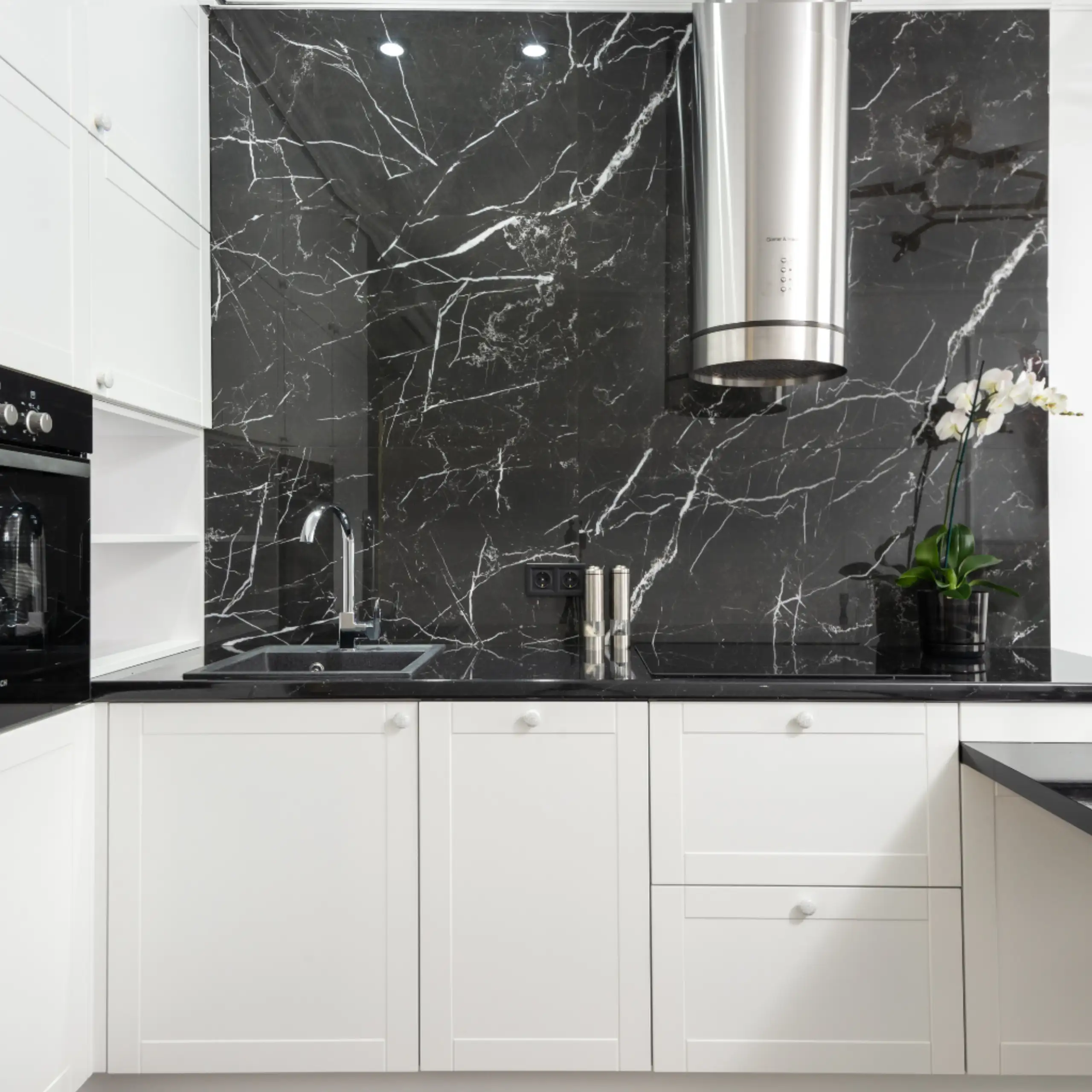
The thickness of your marble countertop significantly impacts the overall style and atmosphere of your kitchen.
Thicker Countertops for a Luxurious Look
A 3 cm countertop adds depth and provides a more luxurious, classic look. It pairs well with traditional or elegant kitchen styles and is often favored for high-end designs.
Thinner Countertops for a Sleek Look
A 2 cm countertop offers a sleek, streamlined appearance that suits modern or minimalist kitchens. The thinner profile helps create an airy, open feel, ideal for contemporary spaces.
Edge Finishes
The thickness of your countertop also affects the edge profile. Thicker countertops can support intricate edge designs like ogee, bullnose, or waterfall, while thinner countertops tend to have simpler edges, such as straight or eased profiles.
Related Reading:18 Best Types of Countertops for Your Kitchen
Practical Considerations
The thickness of your marble countertop affects its durability, maintenance, and weight.
Durability and Maintenance
Thicker marble is generally more durable, less prone to cracking, and more resistant to chips, making it ideal for heavy-use kitchens. A 3 cm countertop can handle more wear and tear and is better suited for tasks like cutting, chopping, and holding heavy pots or pans. Thinner countertops are easier to maintain but may require more frequent sealing.
Weight Considerations
Thicker countertops, particularly 3 cm, are heavier and may require additional support from underlying cabinetry. If you choose a 2 cm countertop, it is lighter and easier to handle, but some installations may still require extra support for larger overhangs or high-use areas.
Related Reading:Marmor proti granitu proti kremenu:Kako izbrati najboljši material za vaš kuhinjski pult?
Personal Preference and Usage
Cost vs. Benefit
Thicker countertops tend to be more expensive due to the additional material required. Vendar, many homeowners find the extra investment worth it, as the added durability, visual appeal, and long-term value make 3 cm slabs a great choice. If you’re on a budget, a 2 cm countertop offers a more affordable option with a modern look.
Installation Needs
Thicker countertops can be more difficult to install due to their weight and require more care during the installation process. Professional help may be necessary for heavier slabs, and special support structures might be needed to prevent sagging or bowing.
Custom and Specialty Thickness Options
For custom projects like creating a statement island or waterfall edge, you can opt for thicker slabs ranging from 4 cm to 5 cm or more. These specialty options require skilled fabrication and installation, which can increase both cost and installation time.
Trends and Design Preferences
Current Trends in Kitchen Design
Marble countertops have always been a staple in high-end kitchens. In recent years, thinner countertops have gained popularity in modern kitchens for their minimalist and airy aesthetic. Vendar, thicker slabs are making a comeback in kitchens where luxury and timeless appeal are priorities.
Resale Value
Thicker marble countertops are often seen as more premium and can add value to your home. They are a key selling point for prospective buyers who value high-end finishes. A well-chosen marble countertop can be a major factor in enhancing the overall appeal and resale value of your home.
Zaključek
When deciding on the thickness of your kitchen marble countertops, it’s essential to balance aesthetic preferences, vzdržljivost, maintenance needs, and installation requirements. While 2 cm countertops offer a sleek, modern look and lighter weight, 3 cm countertops provide more strength, luxury, and timeless appeal. Choose the thickness that best aligns with your kitchen’s design, functionality needs, and budget.