Lar » What Decides The Veins In Marble
- George Pedra
Marble veins are shaped by a combination of geological processes and environmental influences, which determine their appearance and texture. Knowing what creates the veins in marble helps you appreciate its beauty. It also helps you choose the right marble for your project. Keep reading to explore the key factors behind marble’s distinctive veining.
Factors That Determine Marble Texture
Mineral Composition
Calcium carbonate is mostly composed of marble. No entanto, minerals like clay, quartzo, mica, and iron oxides can change their texture. These minerals crystallize under heat and pressure, forming varying textures, from smooth and polished to veined and irregular.
As a reliable Marble Supplier, George Stone provides tailored solutions for various design needs, whether you’re looking for marble for countertops, piso, or custom projects.
Geological Formation
In higher temperature and pressure conditions, marble tends to form larger crystals, resulting in a rougher texture. The speed and conditions of marble formation decide if the stone is fine-grained or coarse-grained. This choice affects its texture.
Impurities and Inclusions
Iron, clay, and silt can become trapped in marble as it forms. These inclusions create different textures. They can range from soft streaks to strong veins. This changes how the marble looks and feels. For instance, impurities may make the marble feel rougher or add visual interest in the form of striking patterns.
Veining and Pattern Formation
The veins form when minerals left by water flow through the stone deposit and crystallize. The distribution, cor, and pattern of these veins depend on the specific minerals present. They can range from fine, delicate lines to bold, sweeping streaks, adding complexity to the stone’s texture.
Types of Marble Veins
Fine Veins vs. Bold Veins
Fine veins result in a smooth, subtle surface with a refined, sophisticated appearance. In contrast, bold veins create a dynamic texture, adding depth and drama to the stone. This high-impact aesthetic makes bold veins stand out in the overall visual design of the marble.
Related Reading: Mármore Roxo: The Comprehensive Guide
Straight vs. Swirly Veins
Straight veins form linear patterns, offering a sleek, structured look with a sense of order. Por outro lado, swirly or cloudy veins create a more fluid and organic texture, adding softness and a natural feel to the stone. This uneven pattern creates a lively, flowing look. It makes the stone seem less stiff and more natural.
How Cutting Techniques Affect Marble Texture
Vein-Cut vs. Cross-Cut
Vein-cut marble is cut along its natural veins. This shows consistent stripes that highlight the stone’s smooth, even texture. This technique emphasizes the flow of the veins and creates a structured, elegant appearance.
In contrast, cross-cut marble is sliced perpendicular to the veins, resulting in a more random, swirly pattern. This cut creates a less predictable, organic texture that can add a unique, natural charm to the marble.
Polishing and Finishing
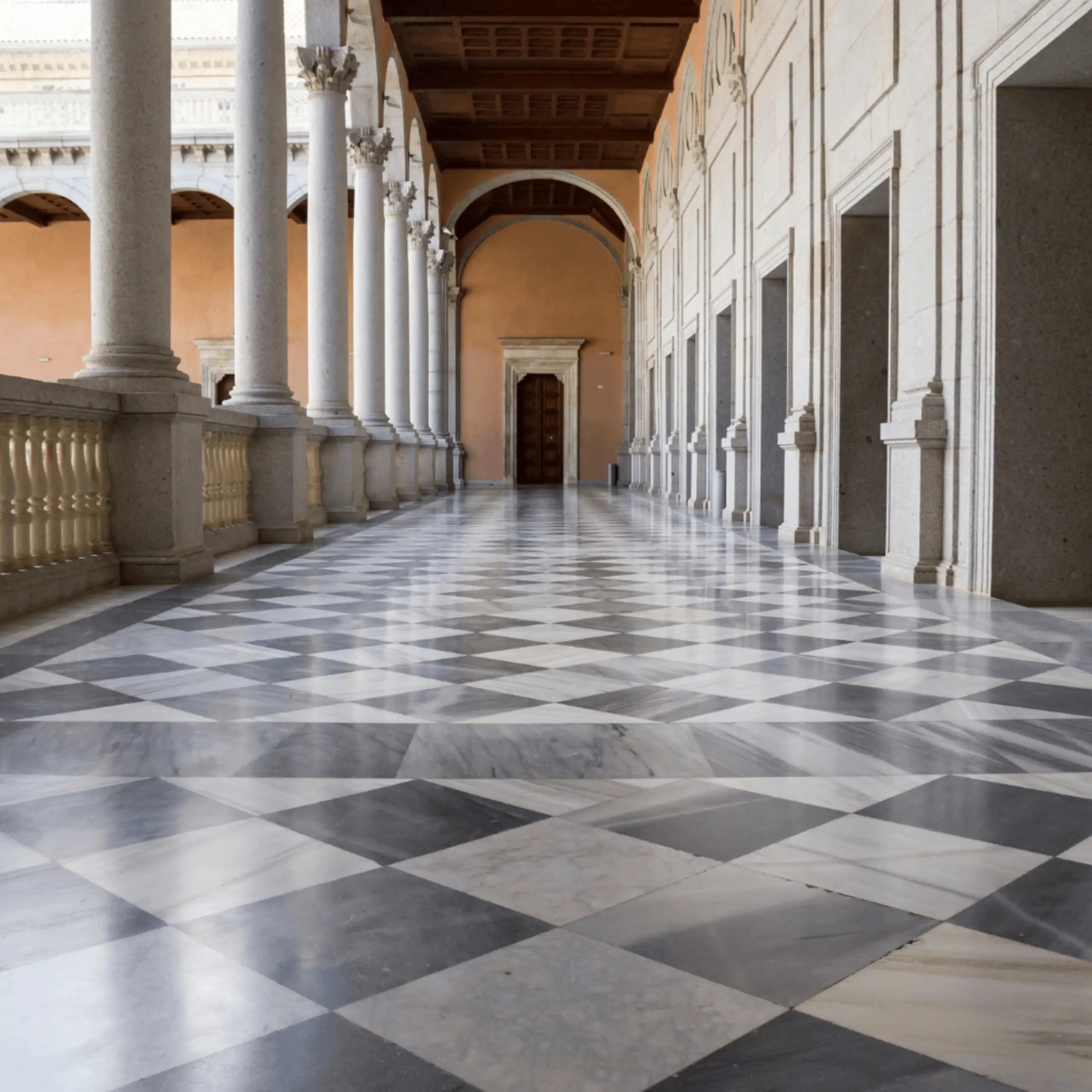
The finish applied to marble also affects its texture. Polishing creates a sleek, glossy surface that feels smooth to the touch, giving the stone a more refined, polished look. A honed or matte finish, on the other hand, reduces shine and gives the marble a more natural, softer texture.
The choice of finish—polished or honed—affects how the marble feels. It can be slippery or matte and more tactile. This choice influences both the look and feel of a space.
Environmental and External Factors That Affect Marble Texture
Weathering and Aging
Marble naturally weathers over time due to exposure to elements like acid rain, temperature changes, and humidity. Over time, these factors can cause the marble to become more textured. Acid rain, for instance, can dissolve the surface of the marble, creating pits and rough spots.
Temperature shifts may cause cracking and surface changes, making the marble feel smoother or rougher, depending on its exposure.
Human Activity
Human activity, particularly in public spaces or high-traffic areas, also impacts marble’s texture. Regular foot traffic, limpeza, and harsh chemicals can cause scratches, abrasions, or dullness on the surface. Foot traffic can wear down marble over time.
No entanto, it can also create a patina. This gives the stone a more aged or worn look. Conversely, the use of chemical cleaners can strip the marble’s surface, making it more prone to scratches and texture changes.
In Conclusion
The texture of marble is a result of a complex interaction between its geological formation, mineral composition, cutting techniques, and environmental factors. You might prefer the sleek appearance of fine marble or the rugged beauty of veined stone.
Understanding what influences marble’s texture can help you select the best piece for your area. Marble can be used for countertops, piso, or decorations. Its texture adds a unique look and feel that improves any space.