家 » Solarium vs Sunroom: What is the Difference?
Solarium vs Sunroom: What is the Difference?
- ジョージ・ストーン
Solariums are fully glassed rooms—walls and roof—to maximize sunlight, while sunrooms combine large windows with a solid, insulated roof for balanced light and year-round comfort. In this guide, we compare their construction, energy performance, cost, メンテナンス, デザイン, and ideal uses.
Solarium Vs Sunroom: Essential Differences
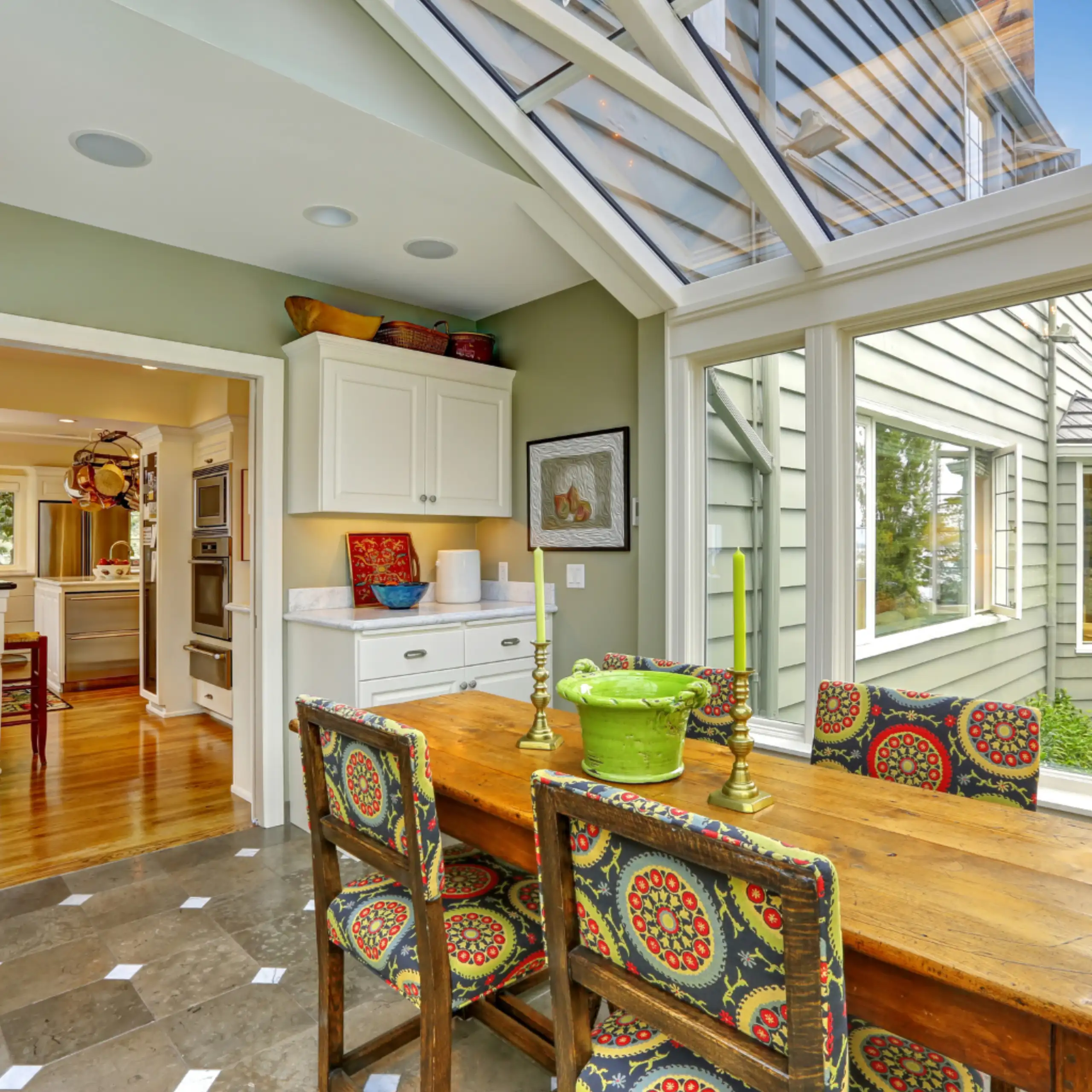
A solarium is an all-glass enclosure—walls and roof—that acts like a residential greenhouse, flooding the space with daylight and unobstructed sky views. A sunroom blends extra-large windows on three sides with a solid, insulated roof that ties into the home’s existing structure. In short: solarium = maximum sunlight, sunroom = balanced light and comfort.
Understanding Sunrooms
Construction & Materials Explained
Sunrooms sit on a conventional slab or crawl-space foundation and use framed walls (vinyl, wood, or aluminum) with full-height windows or sliding glass panels. A solid, shingled or metal roof—often matching the main house—adds structural continuity and allows standard attic-grade insulation. Electrical wiring, outlets, and recessed lighting can be run just as in any other finished room.
Comfort & Year-Round Use
Because the roof and knee walls accept batt or spray-foam insulation, a sunroom readily integrates HVAC supply and return vents. In cold climates, homeowners often add a ductless mini-split or radiant floor heat for steady winter performance; in hot climates, low-E glass and ceiling fans curb summer heat gain. With these upgrades, a sunroom functions like true conditioned living space—sometimes called a “four-season room.”
Typical Applications
Common setups include: a breakfast nook bathed in morning sun, a playroom where kids stay in sight, a light-filled yoga studio, or a cozy reading lounge. Because temperatures stay within the comfort band, you can safely place electronics, upholstered furniture, and décor that would fade or warp in harsher conditions.
Understanding Solariums
All-Glass Architecture
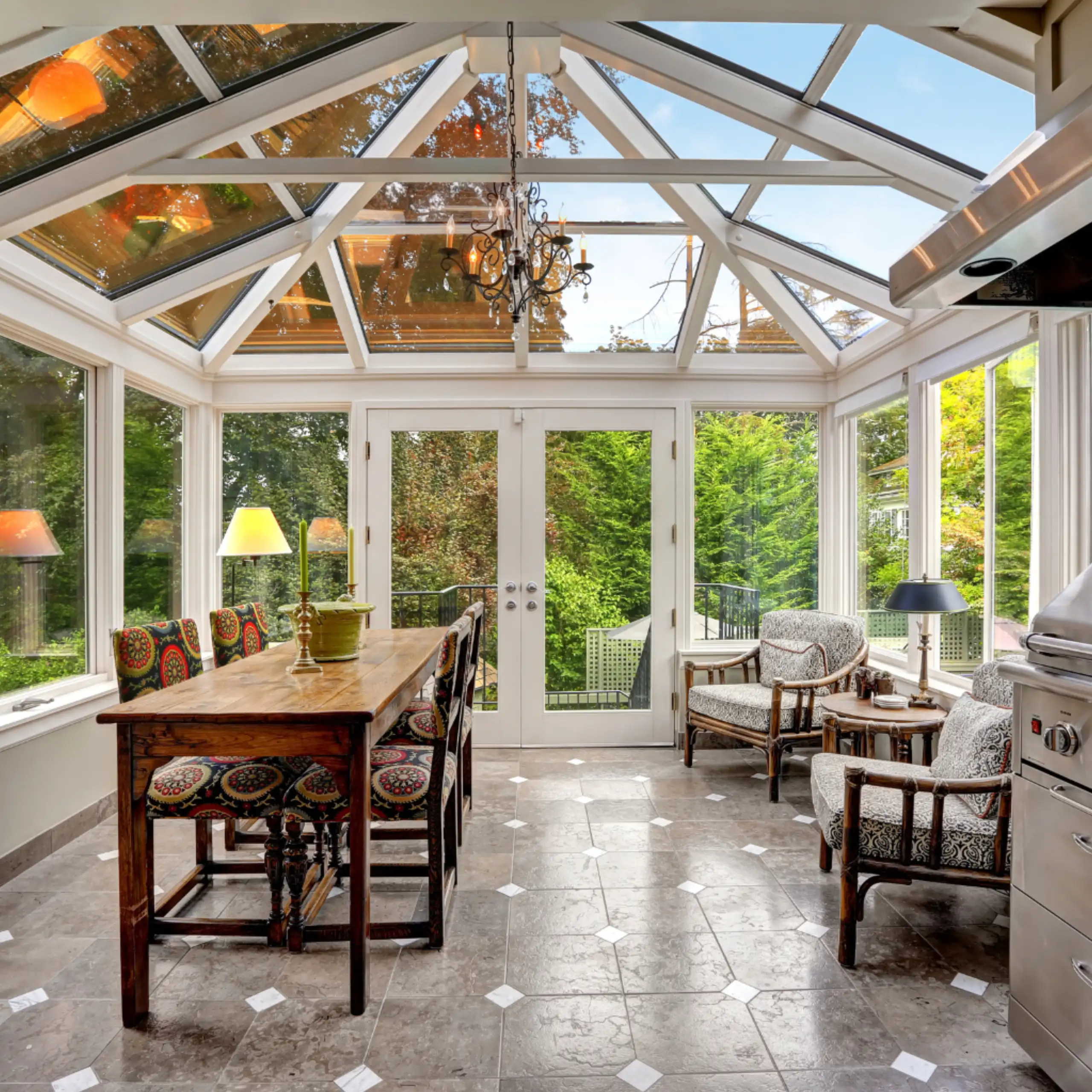
A solarium’s roof panels and vertical walls are usually tempered or laminated low-iron glass mounted in thermally-broken aluminum frames. Structural mullions carry snow and wind loads to a reinforced perimeter beam. Glazing options range from double-pane low-E units to triple-pane argon-filled assemblies for colder regions, though each extra pane adds cost and weight.
Light, Heat & Climate Challenges
Expect illuminance levels rivaling a greenhouse: 6,000–10,000 lux on a bright day. That beauty comes with rapid temperature swings—solariums can exceed 100 °F (38 °C) by mid-afternoon and plunge near freezing overnight in winter. Effective counter-measures include motorized exterior shades, roof-mounted vent fans, and tinted or electrochromic glass that darkens on demand.
Ideal Uses
Perfect for overwintering tropical plants, stargazing through a crystal-clear roof, sun-bathing without bugs, or showcasing an indoor hot-tub/spa. Owners who accept the maintenance and climate-control overhead are rewarded with a dramatic indoor-outdoor experience.
Side-By-Side Analysis
Light & View Experience
Solarium glazing can deliver 90–100 % overhead sky exposure, making sunsets and meteor showers visible from your sofa. Sunrooms offer generous but moderated light—think picture windows framing the garden while a solid roof controls glare.
Energy Efficiency & Climate Control
A four-season sunroom with R-24 walls and ENERGY STAR windows typically outperforms a solarium on utility bills by 20–40 %. To close the gap, solariums must add spectrally-selective coatings, insulated blinds, and dedicated HVAC.
料金 & ROI
- Three-season sunroom: ≈ US $20k–$40k
- Four-season sunroom: ≈ US $35k–$60k
- Solarium: ≈ US $45k–$85k
Sunrooms recoup 50–70 % of cost at resale in temperate markets; solariums can surpass that in high-end neighborhoods where architectural glass is a prestige feature.
インストール, Codes & Timeline
Sunroom projects often run 4–8 weeks from permit to punch-list. Solariums add 2–4 weeks for engineered drawings, custom glass lead-times, and stricter inspection schedules (especially snow-load reviews in cold regions).
メンテナンス & 耐久性
Sunrooms require seasonal window cleaning, gutter checks, and occasional caulk touch-ups. Solariums demand overhead glass washing (extendable squeegees or pro service), annual seal inspection, and periodic resealing of metal-to-glass joints. Failure to maintain can lead to fogged glass and water intrusion.
Related reading: How Much Should a Sunroom Addition Cost in 2025?
Decision Guide For Homeowners
Assessing Climate & Orientation
- Cold/Windy zones: Four-season sunroom or a solarium with triple-pane glazing and heated floors.
- Hot/Sunny zones: Solarium with exterior shades, low-E-366 glass, and vented skylights; or a three-season sunroom with screened panels for passive cooling.
- South-facing exposures maximize winter sun but demand shading mid-summer. East-facing rooms capture gentle morning light with reduced afternoon heat.
Budgeting & Financing
Allocate 10–15 % contingency for site surprises—undersized footings, buried utilities, or upgraded electrical service. Explore energy-efficiency tax credits for high-performance windows or heat-pump mini-splits.
Lifestyle & Space Planning
Draft a furniture layout before signing contracts. Ensure traffic paths from house to yard remain intuitive, and plan outlet placement for lamps, Wi-Fi routers, or office gear. If pets will lounge there, choose scratch-resistant flooring.
Design & Customization Tips
Glass Options & UV Protection
Select low-E, argon-filled glazing with a Solar Heat Gain Coefficient (SHGC) ≤ 0.30 for hot regions; add UV-blocking films (≥ 95 % UV cut) to prevent fading. Electrochromic glass lets you tint panes via smartphone, eliminating bulky blinds.
Interior Finishes & Furnishings
Opt for porcelain tile, luxury-vinyl plank, or sealed hardwood for moisture-resilience. Fade-resistant solution-dyed acrylic fabrics keep cushions vibrant. Use light rugs to soften acoustics in glassy solariums.
Technology Add-Ons
- Motorized shades tied to sun-position sensors.
- Smart thermostats with geofencing to pre-condition the space before you arrive.
- Integrated LED uplights hidden in floor tracks to create dramatic night-time ambience.
One-Stop Material & Installation Service
If choosing furniture, door-and-window glass, or floor and wall tiles feels daunting, visit Georgestones.com. We offer a turnkey solution—manufacturing, global shipping, and professional installation—all handled by one team for a seamless renovation experience.

Frequently Asked Questions
Do I Need A Permit?
はい. Most jurisdictions treat both additions as conditioned space; you’ll submit footing details, elevation drawings, and energy-code data. Historic districts may impose extra design review.
Can I Use A Solarium In Winter?
With double-pane low-E glass, insulated frames, tight weather-stripping, and a heat source (mini-split or radiant floor), indoor temps can stay 60–70 °F even when it’s freezing outside. Without these, expect near-outdoor temperatures.
Does A Sunroom Count In Square Footage?
If heated, cooled, insulated to code, and finished comparably to the rest of the home, most assessors include it in Gross Living Area—boosting appraised value and property taxes.
Final Thoughts: Choosing Your Sun-Filled Retreat
Select a sunroom if you need dependable comfort, lower maintenance, and broader furniture options on a moderate budget. Choose a solarium when panoramic views, abundant daylight, and architectural drama top your wish-list—and you’re prepared to manage climate control and cleaning. Either way, planning for insulation, ventilation, and quality installation will ensure your new light-filled haven pays dividends in enjoyment and resale appeal for decades to come.