Casa » Hotel Renovation Cost Per Room in 2025: The Ultimate Budgeting Blueprint
Hotel Renovation Cost Per Room in 2025: The Ultimate Budgeting Blueprint
- Giorgio Pietra
Renovating each hotel room runs about $10-15 K in economy inns and can exceed $110 K in luxury resorts; FF&E swallows 35-45 % of that spend, so a 10-15 % contingency is essential. This blueprint maps tier benchmarks, hidden cost drivers, phased budgets, funding mixes, ROI math, and common pitfalls.
Why Plan Your 2025 Hotel Renovation Budget Per Room
IL 2025 Cost Climate—Inflation, Labor, Supply Chain
High steel and case-goods prices are easing, yet union wage hikes still inflate bids. Locking a per-room budget early protects you from surprises and anchors lender conversations.
How Per-Room Metrics Persuade Lenders and Brand Auditors
Breaking totals into cost-per-key gives banks a clean yardstick and lets brand reps check PIP ranges instantly. Clear math shortens loan committees from weeks to days.
Benchmark Costs Per Room By Hotel Tier
Economy and Limited-Service Properties
Owners chase a swift RevPAR pop without overspending. Most rooms keep existing case-goods frames and add high-durability laminates or spray coatings. Prefab bathroom pods replace tile labor, dropping install time to two days per key.
LED retrofits and low-flow showerheads satisfy brand ESG targets for roughly $750 per room, and the entire scope often fits inside a 30-day shoulder-season closure.
Midscale and Select-Service Hotels
Midscale guests now expect “lifestyle-light” touches: boutique-style headboards, open shelving, and Instagram-friendly lobby zones. Custom FF&E raises unit cost, but factory-assembled pieces offset on-site labor.
Smart-TV casting and app-based check-in demand a Wi-Fi 6 backbone—budget $600–$900 per room for access-points, controllers, and license fees. Cowork/coffee bar combos can lift daytime F&B revenue by 15%, justifying the higher spend.
Upscale and Full-Service Flags
Expect layered lighting, stone tops, and architectural millwork that stretches both schedule and cash flow. Signature restaurants add grease duct, make-up air, and possible seismic steel—kitchen MEP surprises routinely burn 10–15% contingency.
Spa retrofits push fresh-air rates and humidity controls; without early HVAC modeling, you risk costly duct re-routes. Still, a successful repositioning has proven to bump ADR $40–$60 within 12 months.
Luxury and Resort Assets
Luxury guests judge tactile quality: genuine stone, handcrafted wood, and designer lighting. Custom millwork lead-times reach 20 weeks, so ordering must precede schematic lock-in.
Outdoor amenities—lagoon pools, cabanas, fire-features—inflate per-key cost but can boost ancillary spend and capture destination-fee premiums. Scent systems, in-room tech concierges, and art commissions round out budgets that easily clear $110 k per room.
Hotel Tier | Typical 2025 Spend / Key | Primary Cost Drivers | Example Scope Highlights |
Economy / Limited-Service | $10 k – 15 k | Soft goods, LED swaps, bath refresh | Painted case-goods, prefab vanity kits |
Midscale / Select-Service | $25 k – 40 k | Custom FF&E, tech, lobby zones | Smart TVs, Wi-Fi 6 backbone |
Upscale / Full-Service | $55 k – 90 k | Mixed finishes, F&B venues, terme | Signature bar, kitchen MEP fixes |
Luxury / Resort | $110 k + | Bespoke millwork, amenities | Marble baths, outdoor pools |
Related Recommendations: Hotel Renovation And Remodeling on a Budget
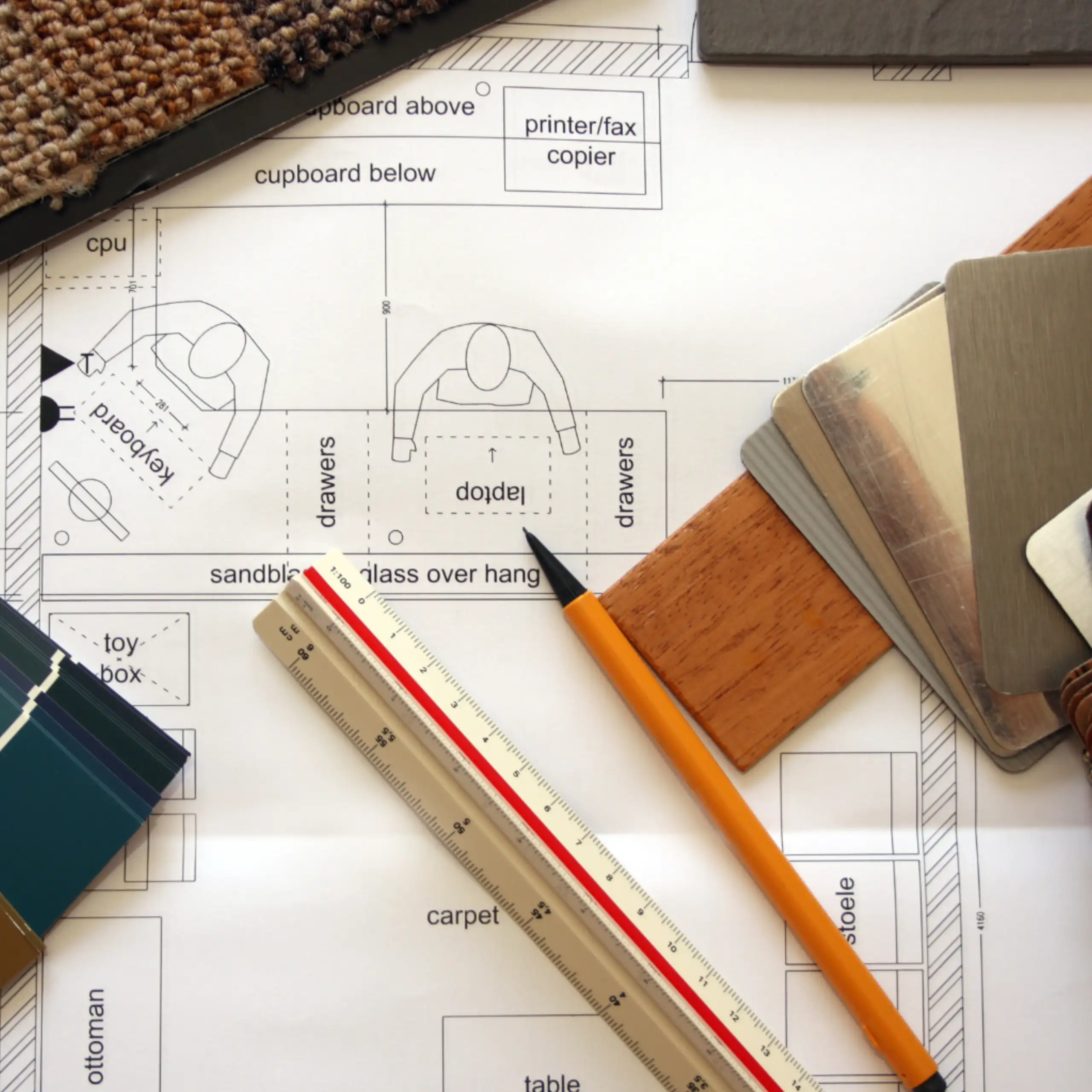
Line-Item Breakdown—Where The Money Goes
Guestroom FF&E and Finishes
This bucket consumes the largest slice because every guest physically touches these items. Upholstered wall panels, matte black hardware, and antimicrobial fabrics meet wellness trends but add material premiums.
Bulk-order mattresses by the trailer to lock pricing and let vendors store goods duty-paid; that alone can shave 3% off freight surcharges.
Bathroom Upgrades and Plumbing Systems
Rain showers, frameless glass, and illuminated mirrors instantly move review scores, yet wet-wall surprises lurk behind tile. Invest $500 per room on a pre-reno endoscopic pipe survey; it routinely saves $2 k in re-demo when corroded drains surface later.
Spec pressure-balanced valves to pass stricter scald-guard codes hitting Sunbelt cities in 2025.
Public Areas, Lobby, and Corridors
The lobby is now both coffee shop and cowork hub, so furniture must handle rolling luggage and laptop cords. Modular seating lets staff re-shape the room for events, maximizing F&B revenue without extra square footage.
Acoustic baffles hide in ceiling coffers to damp bar noise; budgeting $15 per piede quadrato here protects guest-room quiet hours.
Back-Of-House Systems and Infrastructure
Invisible upgrades drive owner ROI through OPEX savings. Smart boilers paired with building-management dashboards cut gas bills 18% versus legacy systems, paying back inside four years.
Fire-panel expansions are mandatory once extra sounders push circuit load past code; swapping the main panel mid-project is far costlier than sizing it right from day one.
Cost Bucket | Share Of Per-Key Budget | 2025 Watch-Item |
Guestroom FF&E & Finishes | 35 – 45 % | Upholstered panels, textured laminates |
Bathroom Upgrades | 15 – 25 % | Rain showers, low-flow mixers |
Public Areas & Corridors | 10 – 20 % | Social-lobby furniture, acoustic panels |
Back-Of-House & Infrastructure | 10 – 20 % | Smart boilers, fire-panel loops |

Hidden and Emerging Cost Drivers in 2025
ESG and Sustainability Mandates
Brands now score properties on energy intensity and embodied carbon. Budget for LED, occupancy sensors, and low-VOC materials. Factor $1k-$3k per key in midscale to meet 2025 brand thresholds and city green codes.
Technology Integrations—Digital Keys, IoT, Wi-Fi 6
Guests expect tap-in entry and streaming-friendly bandwidth. Hardware, wiring, and license fees run $800-$1 500 per room. Coordinate with the PMS early to prevent drywall rework and double-punch costs.
Code Compliance, ADA, and Life-Safety Upgrades
Re-staking grab bars or widening clearances sounds minor but shifts walls and plumbing. Plan 5% of budget for compliance, plus fire-alarm loop expansions when new sounders outnumber panel capacity, avoiding failed inspections.
Driver | Added Cost / Key | Risk If Ignored | Quick Mitigation |
ESG Mandates | $1 k – 3 k | Flag suspension, fines | LED, low-VOC, energy modeling |
Digital Keys & IoT | $0.8 k – 1.5 k | Drywall rework | Coordinate PMS early |
ADA / Life-Safety | 5 % budget | Failed inspection | Pre-design code walk |
The Ultimate Budgeting Blueprint—Step-By-Step
Kickoff Assessment and Scope Definition
Start 12 months out with a destructive walk-through, brand gap analysis, and guest feedback audit. A scoped checklist avoids late additions that inflate cost-per-key and erode trust with financiers and operating partners.
Contingency and Escalation Planning
Hold 10–15% contingency and model 4–6% annual cost escalation. Release contingency in phases as trades seal walls. Detailed, transparent logs reassure owners and lenders that overruns have a disciplined approval path.
Phasing to Minimize RevPAR Disruption
Stack rooms floor by floor, keep 75% inventory online, and shift noisy demo to shoulder season. Accurate phasing turns a budget sheet into a living cash-flow tool that safeguards operating margins and guest loyalty.
Related Recommendations: Hotel Room Renovation in the USA: Step-by-Step Guide for 2025
One-Stop Decoration Partner — George Stones
Giorgio Pietre is a one-stop decoration powerhouse with over thirty years of experience, serving residential owners, mixed-use developers, and four- and five-star hotels demanding turnkey accuracy and speed.
By clustering consulting, detailed interior design, value engineering, global sourcing, and logistics under one roof, the firm compresses schedules by up to 20% and saves on freight, mark-ups, and rework.
Its catalog covers every hard and soft finish a project needs: kitchen cabinets, wardrobes, acoustic doors, engineered flooring, signature lighting, tile and stone, bathroom suites, curtains, rivestimento, metals, bicchiere, elettrodomestici.
Common Pitfalls To Avoid
Late Scope Creep and Brand-Standard Changes
Unplanned digital-key mandates or palette tweaks can add 3% overnight. Freeze design before GMP, maintain a live change log, and require senior owner sign-off to guard margins and maintain lender confidence.
Under-Funding Contingency Reserves
Projects that set aside less than 8% contingency face capital calls when hidden plumbing or asbestos appears. Benchmark against industry data and resist lender pressure by showing why 12% is the proven best practice.
Overlooking Guest-Experience Impact
Renovation noise at 7 a.m. kills review scores and future ADR. Communicate phases, offer service-recovery perks, and adjust staff scheduling to turn disruptions into loyalty-building moments rather than negative memories.
Final Checklist For A Board-Ready Budget
Data Points To Verify Before Approval
Double-check cost-per-key aligns with 2025 guide, lender ratios, and PIP scope. Confirm contingency, escalation, benefit drivers, and cash-flow timing before presenting the deck to ownership and potential investors.
Milestone Timeline For The Next 12 Months
Lay out schematic completion, GMP, funding close, FF&E order, mobilization, phased turnovers, and grand-reopening dates. Clear milestones keep teams aligned, mitigate schedule creep, and control interest carry costs.