
Is It Cheaper To Remodel A House Or Build A New One?
- George Stone
Every homeowner reaches a point where the big question comes up: is it better to remodel your current house or start fresh with a brand-new build? At first, it feels like it all comes down to money, but cost isn’t the only factor. Time, comfort, and long-term value all play a role.
It’s usually cheaper to remodel a house if the structure is sound and you only need updates, but when major repairs or upgrades are required, building new can be the smarter choice. Costs, timelines, and long-term value all play a role, and this article breaks down what to consider before deciding.
Table of Contents
What Does It Mean to Remodel a House
When we talk about remodeling a house, we’re talking about changing or improving what already exists. This can be as simple as updating your kitchen or bathroom, or as major as gutting the entire house and rebuilding the inside.
A remodel could mean:
- Replacing old cabinets and flooring.
- Adding a new bathroom or reconfiguring rooms.
- Upgrading plumbing, electrical, and HVAC systems.
- Taking the home down to the studs and starting over with the same structure.
The key thing to know is that remodeling can range from light cosmetic work to heavy structural changes, while building new means tearing down the old home and starting from scratch.
Factors That Affect Remodeling Costs and Building New
Condition of the Existing Home
If your foundation is solid and your roof, plumbing, and electrical systems are in good shape, remodeling is often cheaper. But if these major systems need serious repairs, the costs can stack up fast, sometimes making a new build the smarter financial move.
Scope of the Project
A small remodel like painting walls, upgrading fixtures, or adding new flooring is much more affordable than a full gut renovation. On the other hand, with a new build, the bigger and more customized the home, the more expensive it becomes.
Permits and Local Regulations
Remodels often run into unexpected costs when local codes require you to bring older systems up to current standards. Building new usually involves higher upfront fees, such as demolition permits, zoning approvals, and city impact fees. Either way, local rules can heavily influence your budget.
Labor and Material Costs in Your Area
Construction costs vary depending on where you live. In high-demand markets, both remodeling and rebuilding can get expensive due to labor shortages and higher material prices.
Hidden Costs and Surprises
With remodels, surprises are common once walls are opened. Think asbestos, termite damage, or outdated wiring. New builds avoid some of these headaches but come with their own hidden costs, such as demolition, utility hookups, and landscaping.
Timeline and Living Arrangements
Remodeling can often be done in phases, and in some cases, you can stay in the home during the work. But it may stretch longer and feel disruptive. A new build usually has a more predictable schedule once construction starts, but you’ll need temporary housing until it’s finished.
Comparing Costs of Remodeling and Building New
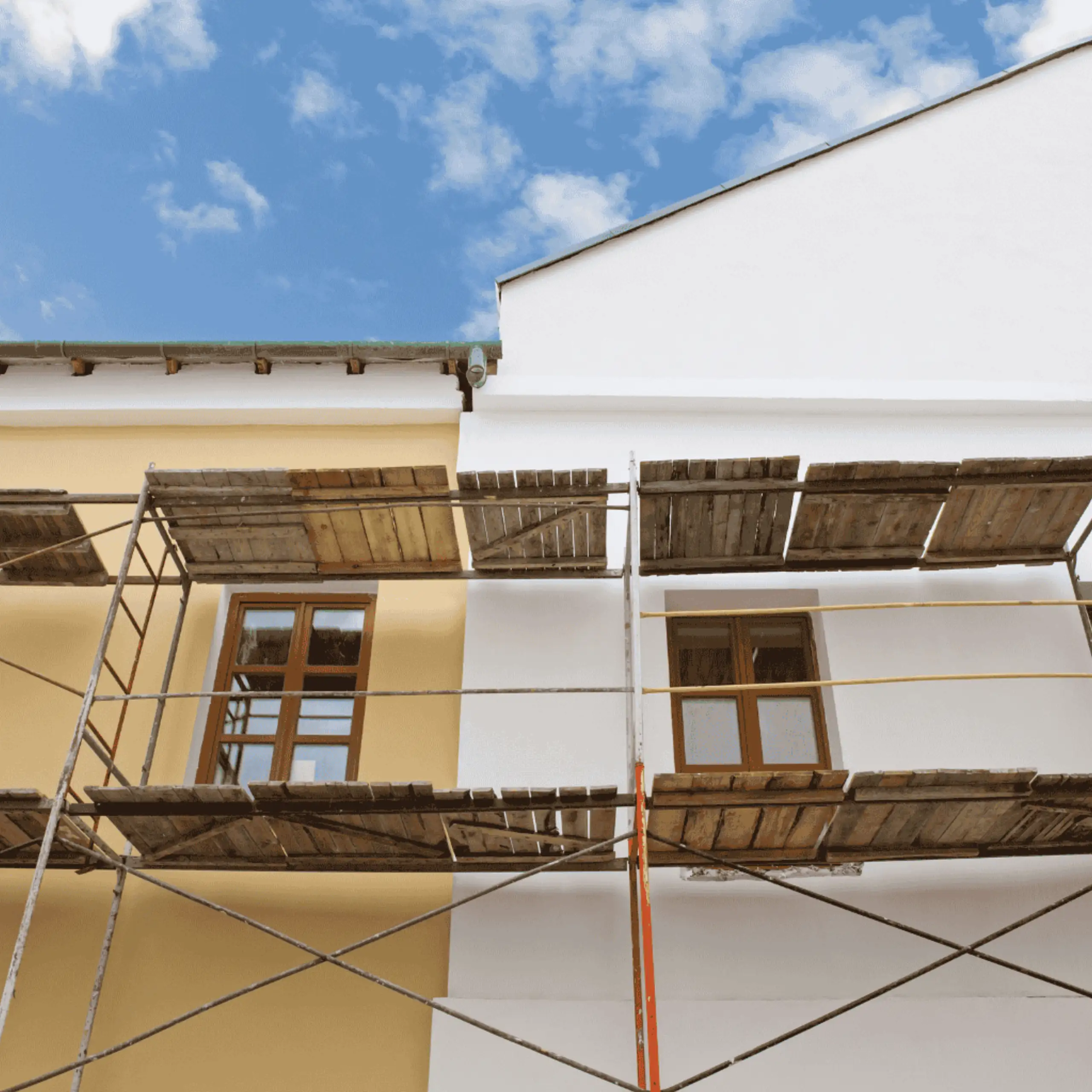
So, what do the numbers look like? Remodeling costs can range anywhere from $20,000 for small projects to $200,000+ for full home renovations, depending on the size and scope. Building new typically ranges from $150 to $400 per square foot, depending on design, finishes, and location.
Why do costs vary so much? Materials, labor, and project scope are the main drivers. A remodel may sound cheaper upfront, but if you’re gutting most of the house, those costs can quickly rival a rebuild.
Rule of thumb: If remodeling costs reach about 60–70% of the cost of building new.
Practical Steps to Decide Between Remodeling and Rebuilding
Step 1: Get a Home Inspection
Hire a professional to check the structure, foundation, roof, plumbing, and electrical systems. This will tell you if the home is a good candidate for remodeling.
Step 2: Collect Cost Estimates
Request detailed quotes from both remodel contractors and new build contractors. Make sure you compare apples to apples.
Step 3: Compare the Numbers and Value
Don’t just look at upfront costs. Factor in future savings from energy efficiency, ongoing maintenance, and potential resale value.
Step 4: Factor in Lifestyle and Timeline
Think about how long you can live in a construction zone. If you’d rather move out and come back to a finished home, a rebuild may suit you better.
When Remodeling a House Makes More Sense
- The structure is strong, and systems are in good condition.
- You want to preserve the character, charm, or history of your home.
- You’re working with a limited budget and only need specific updates.
When Building a New House is the Smarter Choice
- The home needs major repairs or has serious structural issues.
- You want a fully modern layout with energy-efficient systems.
- Remodeling costs are close to or higher than a rebuild.
Common Challenges Homeowners Face
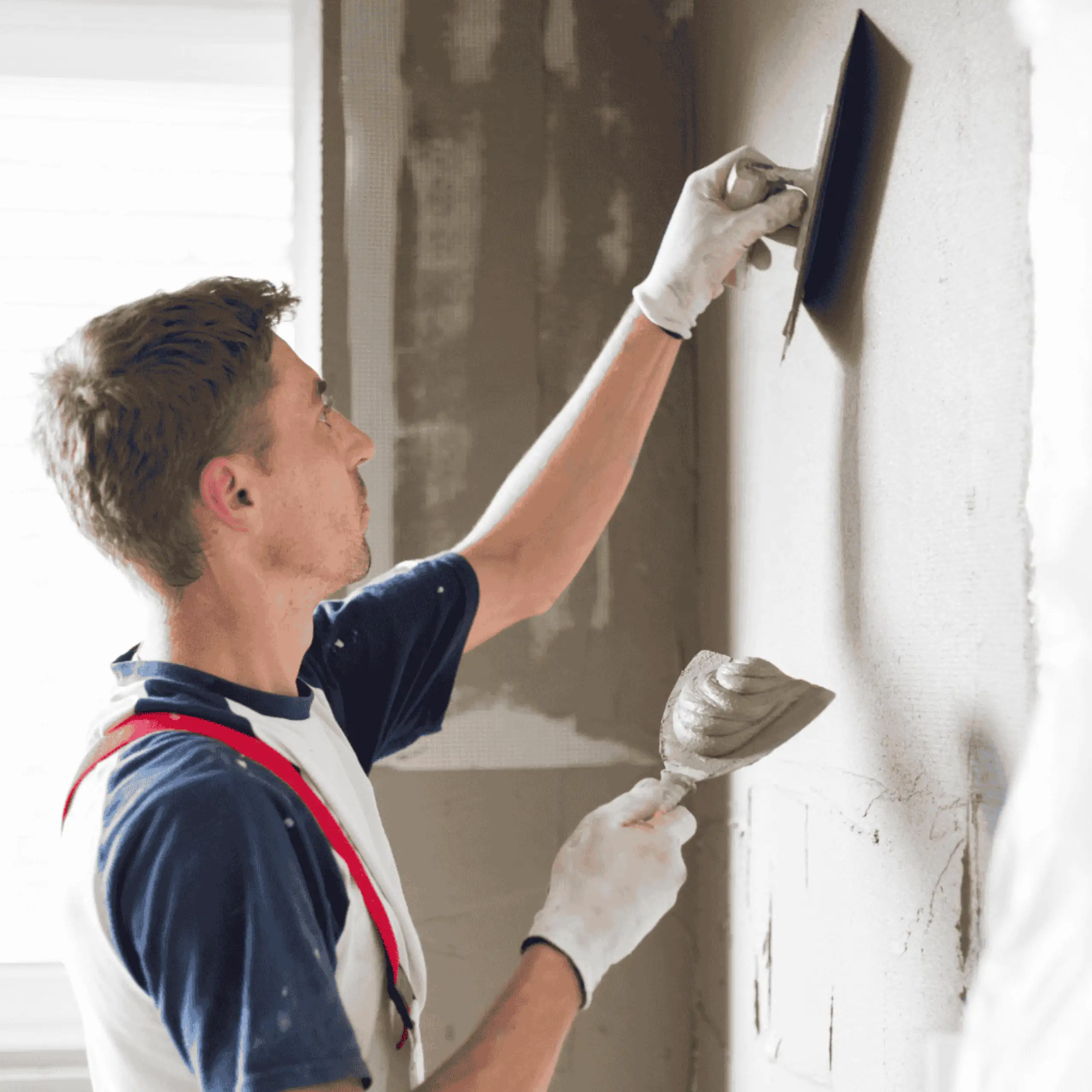
- Hidden costs in remodels like asbestos removal or rewiring.
- Permit delays that stretch both remodels and rebuilds.
- Financing confusion, since remodels may use HELOCs or renovation loans while rebuilds often need construction loans.
- Emotional challenges, especially if the current home has sentimental value.
Introducing Our One-Stop Home and Hotel Renovation Service
Remodeling or building new can feel overwhelming when you have to juggle design decisions, material sourcing, and installation schedules. That’s where George Stones makes the process easier. We provide a true one-stop renovation service, handling everything from design to production, shipping, and installation.
As an international building materials supplier, we work with homeowners, real estate developers, and the hospitality industry to simplify complex projects. Our team offers expert consulting and design support, while our wide product range covers every detail you need—kitchen cabinets, wardrobes, doors and windows, wood flooring, lighting, tiles, marble and granite, bathroom accessories, curtains, wall cladding, metal and glass, and even appliances.
By choosing our one-stop service, you can avoid the hassles of coordinating multiple vendors and instead focus on enjoying the transformation of your home or hotel. Our mission is to give you the best experience possible, helping you save more while achieving more.
FAQs
Is it always cheaper to remodel a house?
Not always. Small remodels are usually cheaper, but once major systems or structural changes are needed, rebuilding can become the more cost-effective option.
How long does remodeling usually take compared to a rebuild?
Remodels can take anywhere from a few weeks to a year, depending on the scope. A rebuild typically takes 8 to 18 months from demolition to move-in.
Does remodeling increase resale value?
Yes, but it depends on the project. Kitchens, bathrooms, and energy upgrades usually offer the best return. Rebuilds often increase resale value more, especially if the old home was outdated or poorly designed.
Which option adds more resale value: remodeling or rebuilding?
It depends on the market. Quality remodels can boost value, especially kitchens and baths, but new homes typically have stronger resale appeal if the old one was outdated.
Conclusion
Deciding whether to remodel a house or build a new one isn’t just about money—it’s about value, lifestyle, and long-term goals. Remodeling can be cheaper if the structure is solid and you only need updates in certain areas. But if your house has major issues or you want a completely fresh start, rebuilding may save you money and stress over time. The smartest move is to gather estimates, weigh your options, and choose the path that fits both your budget and your future plans.
