בַּיִת » Most Common Stone For Building Medevial
Most Common Stone For Building Medevial
- ג'ורג' סטון
When exploring the most common stones used for building in medieval times, it’s important to understand how the choice of material was influenced by local availability, עֲמִידוּת, and ease of work. במאמר זה, we’ll dive into the key materials that shaped medieval architecture and why they were preferred for certain structures.
Most Common Stones Used in Medieval Construction
אֶבֶן גִיר
אֶבֶן גִיר was one of the most common stones used in medieval construction. Its softness made it easy to carve, which was ideal for creating intricate details in architectural features like arches, vaults, and decorative sculptures. This made limestone especially popular in churches and cathedrals, where artisans could carve detailed religious imagery.
Related Reading:Is Limestone Cheaper Than Concrete?
אבן חול
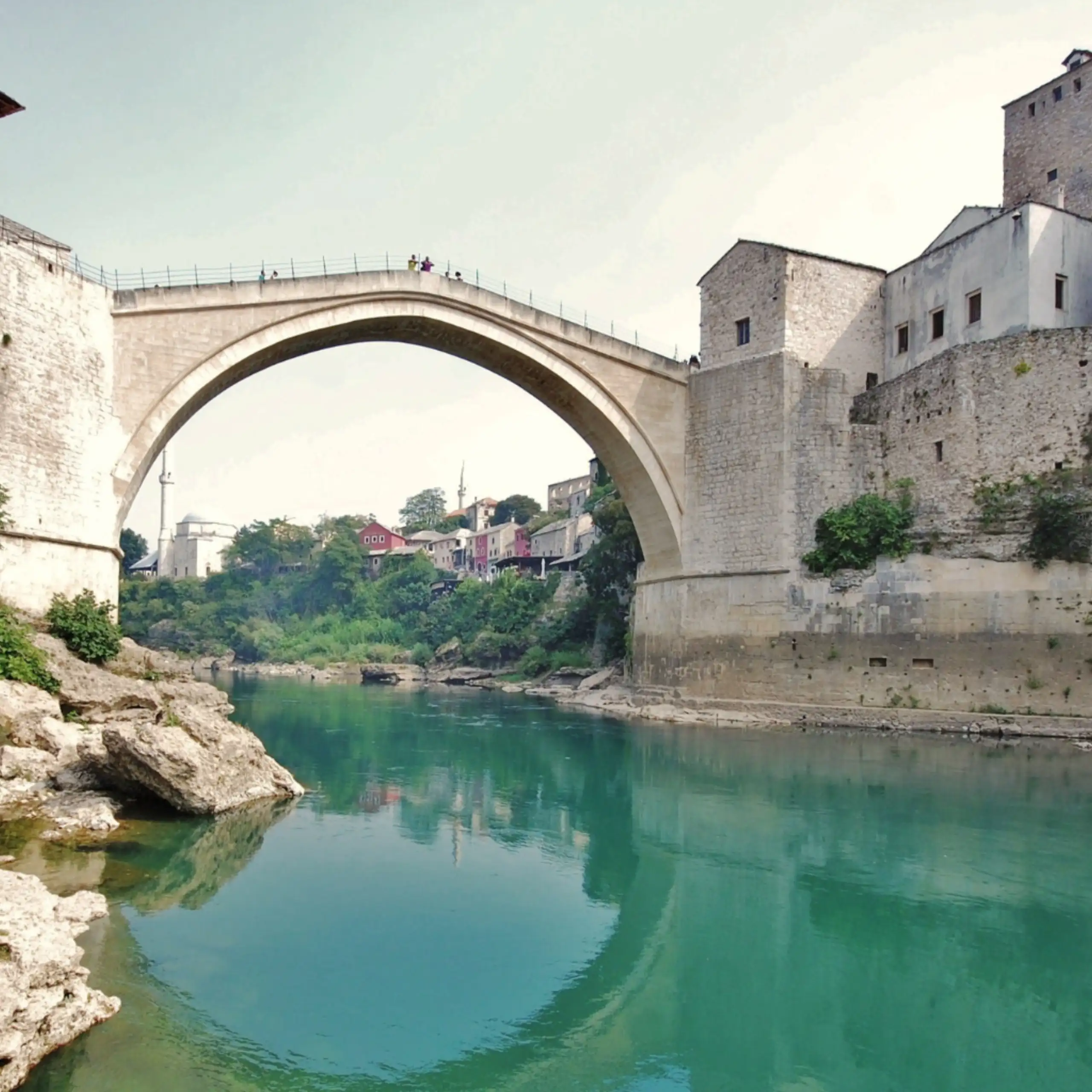
Sandstone was another widely used material during the medieval period. It was durable and often readily available in many regions. Its workability and color variations made it an excellent choice for large structures like castles, town walls, and bridges, especially in areas where it was abundant.
גרָנִיט
גרָנִיט, though harder and more difficult to carve than limestone or sandstone, was used in important structures that needed extra durability, such as fortresses and castle foundations. Its strength made it perfect for defensive buildings meant to withstand harsh conditions, such as fortifications and city walls.
Related Reading:Granite Countertops vs. Marble Countertops: What’s the difference
Why These Stones Were Chosen for Medieval Buildings
Local Availability
Medieval builders often chose stones that were readily available in their region. Using local materials like limestone and sandstone helped save on transportation costs and time, making construction more efficient. לדוגמה, in southern Europe, limestone was often readily accessible, while northern regions favored sandstone.
Durability and Weather Resistance
Stones like granite and limestone were chosen for their ability to withstand the harsh weather conditions of medieval Europe. גֶשֶׁם, שֶׁלֶג, and extreme temperatures required materials that could endure over time. These stones ensured that the buildings would last for centuries, standing the test of time and weather.
Workability
The ease of carving some stones was a key factor in their selection. Softer stones like limestone could be shaped with relative ease, allowing artisans to create intricate designs for religious carvings and decorative elements. This made them especially popular in churches and cathedrals where artistic detail was important.
Regional Preferences for Stone in Medieval Architecture
England
In England, sandstone was the preferred choice for building castles and fortifications due to its durability and availability. אֶבֶן גִיר, on the other hand, was favored for churches and monasteries, where its softness allowed for more detailed carvings and ornate architectural features.
צָרְפַת
In France, builders commonly used limestone, which was abundant and ideal for large-scale construction. For more prestigious buildings, like cathedrals, marble was imported, adding luxury and grandeur to these iconic structures, such as the famous Notre-Dame Cathedral.
אִיטַלִיָה
Italy had a preference for marble, driven by its high status and visual appeal. Marble was often used in monumental buildings and religious structures, reflecting the importance of these sites. Its elegance and durability made it the top choice for ceremonial and decorative purposes, especially in the iconic structures of ancient Rome.
The Importance of Stone in Medieval Construction Projects
Strength and Durability for Long-Lasting Structures
Stone played a crucial role in medieval construction because of its strength and ability to withstand the test of time. Buildings like castles, cathedrals, and city walls needed materials that could endure for centuries, and stone provided the necessary durability to ensure their longevity.
Aesthetic and Symbolic Value
In addition to its structural benefits, stone had significant aesthetic and symbolic value. Different types of stone, such as marble for grandeur or limestone for detailed carvings, helped convey the importance of certain buildings, particularly religious or royal structures.
Accessibility and Local Resources
The choice of stone often depended on what was readily available locally. Builders relied on local materials, which helped reduce transportation costs and construction time. This led to regional differences in stone selection, with each area having its own preferred materials based on availability.
The Labor-Intensive Process of Stone Quarrying and Transport
The quarrying, גְזִירָה, and transportation of stone were labor-intensive processes that determined which stones could be used for specific building projects. Medieval builders needed skilled labor to extract the stones, transport them to construction sites, and shape them into the necessary forms.
Sculpting and Carving with Medieval Stones
Stones like limestone were favored for their ability to be intricately carved. Artisans used these stones to create detailed religious sculptures and decorative elements in churches. This allowed for the artistic expression that characterized much of the medieval architectural landscape.
Famous Medieval Buildings and the Stones Used in Their Construction
The Tower of London
The Tower of London is a prime example of using local stone for construction. אֶבֶן גִיר, along with other regional stones, was used to build this iconic fortress. The choice of stone not only ensured the structure’s durability but also reflected the availability of materials in medieval England.
Notre-Dame de Paris
Notre-Dame de Paris is a perfect showcase of medieval French architecture, utilizing both limestone and marble. These stones were selected for their strength and aesthetic appeal, contributing to the cathedral’s grandeur and symbolic importance as a religious monument.
מַסְקָנָה
The stones used in medieval construction played a vital role in shaping the architectural legacy of the era. From the durability of granite to the carvability of limestone, these materials helped preserve the grandeur of medieval buildings, which continue to inspire admiration and study today.