בַּיִת » Is A Whole Home Renovation Worth It?
Is A Whole Home Renovation Worth It?
- ג'ורג' סטון
A comprehensive remodel upgrades outdated spaces, adds modern comforts, and often increases resale value. Yet hidden costs, lengthy timelines, and personal priorities must factor into any final decision. This article explores cost analysis, ROI considerations, and lifestyle benefits, highlighting how a balanced approach—careful planning, realistic budgeting, and clear goals—can help you turn your home into a more efficient, נוֹחַ, and valuable space.
תוֹכֶן הָעִניָנִים
What Is A Whole Home Renovation?
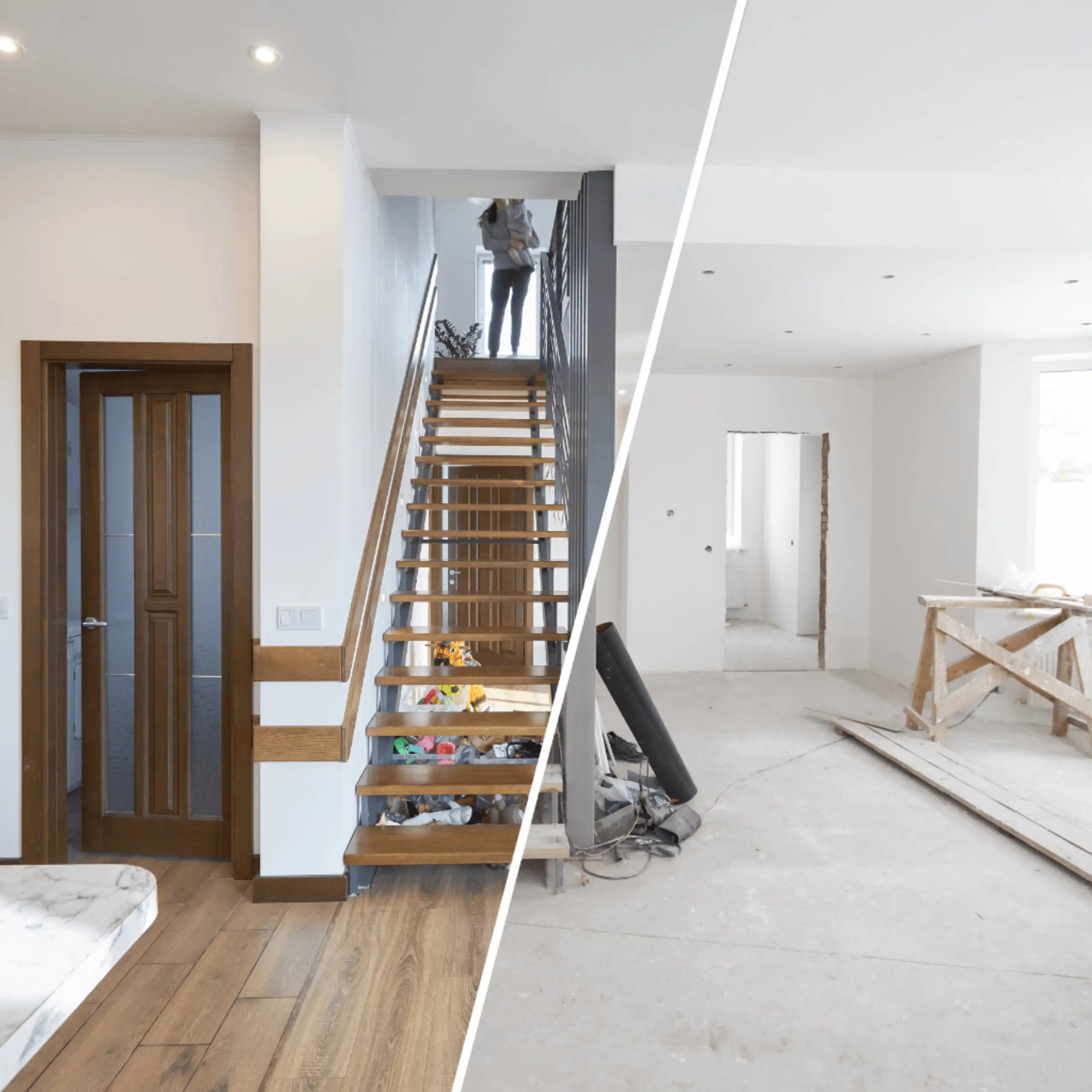
א Whole Home Renovation means transforming every aspect of your residence. It covers updates to interior design, structural modifications, modernizing systems such as electrical and plumbing, and reconfiguring spaces to suit today’s needs.
Unlike a simple room update, a full remodel rethinks the entire layout. It integrates design, functionality, and energy efficiency to create a cohesive living environment while addressing both current comfort and long-term value.
Why Homeowners Consider Whole Home Renovations
Homeowners pursue whole home renovations to dramatically improve their daily living conditions. Updating outdated layouts and aging systems transforms a house into a modern, יָעִיל, and comfortable space that better suits contemporary lifestyles.
Beyond financial considerations, these projects satisfy emotional and personal needs. They offer the chance to design a dream home that fits evolving family demands, improves usability, and achieves energy savings along with lasting satisfaction.
Financial Evaluation – Weighing Costs And Returns
Detailed Cost Analysis And Budgeting
Estimating the cost of a whole-home renovation starts with listing every project—from kitchens and baths to structural updates. Homeowners must research material prices, labor rates, and permit fees to form a comprehensive estimate.
Once you have your cost estimates, create a detailed budget that outlines major expenses. It’s wise to break down projects by room so you can easily track what each renovation will require financially.
A best practice is to set aside a contingency fund of at least 10% אֶל 20% of your total budget. This extra reserve helps cover unforeseen issues like minor repairs or unexpected delays during the remodel process.
A clearly written budget acts as a roadmap for your entire renovation. By tracking every expense, you can adjust plans as needed and ensure you remain within financial limits throughout the project.
Expected Return On Investment (ROI)
The expected ROI for a whole-home renovation varies by market and project type. Data from industry studies show that updates in key areas—like kitchens and bathrooms—typically recoup between 50% ו 80% of their costs.
Case studies and remodeling reports suggest that a well-planned renovation can increase your home’s overall value over time. High-impact updates tend to boost the appeal of your property, which may also lead to a quicker sale in the future.
It’s important to note that the financial benefits of a remodel usually take several years to fully materialize. Homeowners should consider a long-term horizon when evaluating whether the renovation will eventually pay off.
Matching your renovation scope with realistic market expectations ensures that you optimize both your enjoyment of the home now and its resale value later.
Hidden Costs And Risks
Even with careful planning, hidden costs may arise during a whole-home renovation. Unexpected issues such as structural repairs, outdated wiring, or permit delays can add significant expenses beyond your original estimate.
To manage these risks, build a safety net into your budget by reserving extra funds. א 10% אֶל 20% contingency reserve is a common recommendation to handle any surprises that occur during the construction process.
Getting a thorough inspection before you start can reveal potential pitfalls, allowing you to adjust plans accordingly. Working with trusted professionals also helps you mitigate risks and keep additional costs to a minimum.
By anticipating hidden costs and understanding the risk factors, you’re better equipped to navigate a renovation project without jeopardizing your financial stability.
Recommended Related Reading: What’s The Best Natural Stone Material For Your Project?

Lifestyle And Personal Value Considerations – Beyond Just Money
Enhancing Daily Living And Comfort
A whole-home renovation transforms your living space into a modern, efficient home. Upgraded kitchens, bathrooms, and living areas create easier daily routines and boost overall comfort for everyone in the family.
New layouts, improved storage, and updated fixtures reduce clutter and streamline household tasks. Energy-efficient systems and smart home features also help lower utility bills and simplify everyday living.
Long-Term Family Needs And Future Planning
Renovating your entire home isn’t just about a quick fix—it prepares your space for future family needs. As children grow and your lifestyle evolves, a flexible floor plan makes it easier to add rooms or adjust layouts later on.
Planning long-term means considering extra bedrooms, a home office, or accessible features for aging family members. These updates ensure your home stays functional and suitable for changing needs over the years.
Emotional And Aesthetic Value
Investing in a full-home remodel lets you personalize your space with custom finishes and thoughtful design. This process creates a unique environment that reflects your style and brings emotional satisfaction every time you walk in.
A customized home offers more than increased market value—it builds lasting memories. Enjoying a space tailored to your taste boosts happiness and makes your home truly feel like your own sanctuary.
Process And Practical Considerations – From Planning To Execution
Time Commitment And Project Duration
Whole-house remodels typically take from 4 אֶל 6 months—sometimes even a full year. This extended timeline can disrupt your daily routine with ongoing noise, debris, and temporary changes at home.
Because the project spans many months, you may need to plan for temporary housing or adjust work and family schedules. Planning ahead helps ease stress and makes the disruption more manageable.
Creating a realistic timeline that breaks the renovation into phases is key. Knowing when to expect major work helps you prepare mentally and practically for the long haul.
Project Management And Coordination
Choosing the right contractor and designer is crucial. Researching local professionals, asking for references, and checking credentials ensure you find a team that truly understands your vision. Effective coordination involves setting clear milestones and maintaining open communication through regular meetings and progress updates, which helps keep everyone on the same page and the project on track.
In our experience managing full-scale renovations, we have observed the significant difference that a well-organized team can make. As one of China’s largest whole-home customization enterprises, we take pride in our fully integrated services that span from raw materials to finished products. Whether your project involves bathrooms, swimming pools, dining rooms, מטבחים, or bedrooms, we offer a one-stop solution that covers every detail—from home decor and lighting fixtures to custom furnishings. Our professional design team collaborates closely with you to create spaces that are not only aesthetically pleasing but also perfectly functional. Coupled with reliable logistics and a strong supply chain, we ensure that every phase of your renovation is executed smoothly and efficiently.
Consider incorporating project management tools or even hiring a dedicated project manager, as this additional support can help manage schedules, budgets, and any unforeseen issues during construction, ultimately ensuring the overall success of your project.
Dealing With Disruptions And Uncertainty
No renovation is without surprises. Hidden structural problems, delays in material delivery, or permit complications may arise and affect your schedule. Being prepared for these issues reduces frustration.
Develop a contingency plan by setting aside extra funds—typically 10% אֶל 20% of your total budget—to cover unexpected costs. This financial cushion will help you address issues quickly without derailing your project.
Flexibility is key during the remodel. Stay in regular contact with your contractor, adjust your timeline as needed, and be ready to replan if problems occur, ensuring the overall project continues smoothly.
Financing And Economic Impact – Finding The Right Funding Strategy
Funding Options For A Whole Home Renovation
When planning a whole-home renovation, it’s vital to explore all funding sources. Many homeowners use personal savings or available cash reserves to cover a portion of the remodel costs, reducing reliance on loans.
Another option is tapping into your home’s equity. A home equity loan or line of credit can provide the extra funds needed without having to sell assets immediately. This approach lets you spread expenses over time while keeping your investments intact.
You might also consider liquidating part of your investment portfolio if you have excess assets. Balancing these funding options ensures you have a solid financial strategy that doesn’t overextend your overall budget.
Impact On Mortgage, Property Taxes And Future Market Trends
A major renovation can influence your mortgage and property taxes. Upgrading your home may increase its assessed value, which can raise property taxes; אוּלָם, a smarter remodel might help preserve a favorable mortgage rate.
Market trends also play a role. Remodeling projects that modernize outdated features can boost your home’s appeal and position it better against neighborhood comps, influencing long-term resale value.
Planning ahead means understanding how a renovation fits into broader economic factors. Stay informed about local market conditions and consult experts to forecast the remodeling impact on your loan terms and future property value.
Recommended Related Reading: 8 Most Valuable Natural Granite For Countertops You Should Buy
Decision-Making Framework – Is It Worth It For You?
Self-Assessment Checklist For Home Renovation
Start by listing your renovation goals. Ask yourself what problems your current home faces—do you need a more open floor plan, updated systems, or extra living space? Define the issues clearly.
Consider your current budget and future savings. Evaluate if you can fund the remodel with your own funds, or if you’ll need a loan. Write down estimated costs and add a 10–20% cushion for surprises.
לְבָסוֹף, reflect on your long-term plans. Will these updates improve daily living and accommodate future family needs? This self-assessment checklist guides you to decide if a full remodel fits both your lifestyle and your budget.
Renovate, Move, Or Do Nothing?
Compare your main options: renovating your current home, moving into a new one, or keeping things as they are. Each option affects your finances, daily routine, and overall satisfaction in different ways.
Renovating can boost your home’s value and comfort; אוּלָם, it comes with disruptions and long project timelines that may cause stress. Consider if the improvements justify the cost and hassle over time.
Moving offers a fresh start with modern features but may require higher upfront costs and adjustment challenges. Maintaining the status quo avoids disruptions yet leaves you with outdated spaces. Weigh these factors carefully.
Balancing Financial And Emotional Benefits
A smart renovation balances hard numbers with how much you enjoy living in your space. An update can elevate your home’s resale value while making day-to-day life more efficient and enjoyable.
Look at tangible gains, such as increased energy efficiency and improved layout, alongside emotional rewards like the pride of a customized space that reflects your personality and style.
בסופו של דבר, choose a renovation plan that fits your financial limits and brings lasting emotional satisfaction. Your home should serve as both a valuable asset and a place that makes you feel truly at ease.

Conclusion – Making An Informed Decision
Summarizing Key Points And Takeaways
Our discussion shows that a whole-home renovation touches on both hard financial numbers and the softer, personal value of upgrading your space. We covered budgeting, hidden costs, ROI data, and the long-term benefits to daily living.
We reviewed how careful planning, realistic cost assessments, and a balanced understanding of lifestyle improvements all play a role. The decision depends on market conditions, your family needs, and your long-term plans for the home.
In summary, knowing the full scope—from cost estimation to emotional satisfaction—is crucial. Learn from expert advice and real-life case studies to understand what works best for your home situation.
Practical Recommendations For Homeowners
Start by gathering detailed quotes and setting a strict budget, including a 10–20% contingency reserve. Ensure you assess your home’s current condition and define clear goals before moving ahead with a full remodel.
הַבָּא, prioritize projects with the highest impact. Focus on kitchens and bathrooms first since these bring significant daily comfort and tend to yield strong ROI, while smaller updates may be spread out over time.
לְבָסוֹף, weigh the emotional benefits along with the financial gains. Choose a plan that not only increases home value but also creates a space that feels uniquely yours, helping you enjoy every day in your dream home.