بيت » 12 Types of Floor Tile Styles and Uses
12 Types of Floor Tile Styles and Uses
- جورج ستون
Whether you’re renovating your home or starting from scratch, the right tile can improve both the look and function of any room. In this guide, we’ll explore 12 popular floor tile types, their unique styles, and where they work best—so you can choose with confidence.
جدول المحتويات
12 Types of Floor Tile Styles and Best Uses
Overview and Appearance
بلاط الأرضيات come in ceramic, الخزف, حجر, vinyl, laminate, and glass. Each has a unique texture and design style, from sleek modern to rustic or natural looks. Some tiles mimic wood, رخام, or concrete.
Pros and Cons
Porcelain and granite are extremely durable. Ceramic is affordable but slightly softer. Natural stone looks elegant but needs sealing. Vinyl and laminate are budget-friendly but may wear out sooner.
Where It Works Best
Wet rooms like bathrooms and laundry rooms need moisture-proof, slip-resistant tiles. Kitchens require easy-to-clean surfaces. Living rooms can focus on comfort. Outdoor spaces need weather-resistant tiles.
Cost Range and Installation Tips
Vinyl and ceramic are the most budget-friendly and great for DIY. Porcelain and natural stone are more expensive and usually need a professional. Consider materials, tools, and time when budgeting.
1. Ceramic Tile
Affordable and versatile, ceramic works well in kitchens and entryways. It’s easy to clean but less dense than porcelain, making it slightly less durable.
2. Porcelain Tile
Water-resistant and hard-wearing, porcelain is perfect for bathrooms, kitchens, and high-traffic areas. It often requires cutting tools and expert installation.
3. Marble Tile
Luxurious and cool to the touch. Ideal for low-traffic spaces like powder rooms. It scratches easily and must be sealed to prevent staining.
4. Granite Tile
Granite is one of the most durable natural stones. It resists moisture and scratches. Great for kitchens, entryways, and mudrooms. Requires sealing.
5. Slate Tile
Naturally textured and slip-resistant. Works well in wet or outdoor areas. It needs sealing and may flake over time if not properly maintained.
6. Vinyl Tile
Soft, comfortable underfoot, and water-resistant. Great for DIYers, renters, and budget-conscious homeowners. Less durable in the long run.
7. Laminate Tile
Designed to mimic wood or stone at a lower price. Best used in dry rooms like bedrooms or offices. Not suitable for bathrooms unless treated for moisture.
8. Glass Tile
Bright and reflective, often used for accent walls or backsplashes. Not ideal for floors due to slipperiness and tendency to scratch.
9. Cement Tile
Bold and decorative with a handmade look. Great for entryways or statement areas. Must be sealed regularly to prevent staining.
10. Terracotta Tile
Warm and rustic. Ideal for dining rooms and Mediterranean-style homes. Highly porous, so sealing is essential to avoid water damage.
11. Pebble Tile
Natural stones set in grout, great for shower floors and patios. Creates a spa-like atmosphere. Cleaning is harder due to many grout lines.
12. Wood-Look Tile (Porcelain or Vinyl)
Combines the warmth of wood with the durability of tile. Perfect for any room, including wet areas. Easy to clean and visually timeless.
Related reading: قمة 10 Tile Manufacturers in China
How to Choose the Right Floor Tile for Your Space
Understand the Room’s Purpose
Before choosing a tile, think about how the space is used. High-traffic areas like hallways need durable tiles. Bathrooms require water-resistant options. For living spaces, focus on both comfort and design.
Pick the Right Tile Size
Large tiles make small rooms feel bigger and cleaner. Small tiles add texture and are ideal for tight or wet areas like showers. Always match the tile size to your room’s scale and layout.
Choose the Best Tile Shape and Pattern
Tile shape and pattern affect visual flow. Square and rectangle shapes are common, while hexagon or herringbone patterns add character. Use layout patterns to enhance the size and feel of the room.
Compare Tile Materials
Porcelain is dense and ideal for wet spaces. Ceramic is cost-effective and easy to install. Natural stone adds luxury but requires sealing. Vinyl and laminate are affordable but less durable long-term.
Consider Color and Texture
Light-colored tiles brighten a space; dark ones hide dirt well. Glossy finishes reflect more light but can be slippery. Matte and textured tiles offer better grip and visual warmth, especially in damp areas.
Check Durability and Maintenance
For busy homes or homes with pets, choose durable tiles like porcelain or ceramic. They’re low-maintenance. Stone tiles require more upkeep and sealing. Match the material to your lifestyle and cleaning habits.
Prioritize Slip Resistance
In bathrooms, kitchens, والمداخل, safety is key. Choose tiles with textured or matte finishes for better grip. Avoid polished surfaces where water or moisture is common.
Set a Realistic Budget
Include more than just tile costs. Add in labor, grout, underlayment, and tools. Always buy 10–15% extra tile to cover waste, cuts, or future repairs. A well-planned budget avoids surprises.
Visualize Before You Buy
Test samples at home. Light and surroundings change how a tile looks. Use samples to see how the color, finish, and texture match your décor throughout the day.
Think About Installation
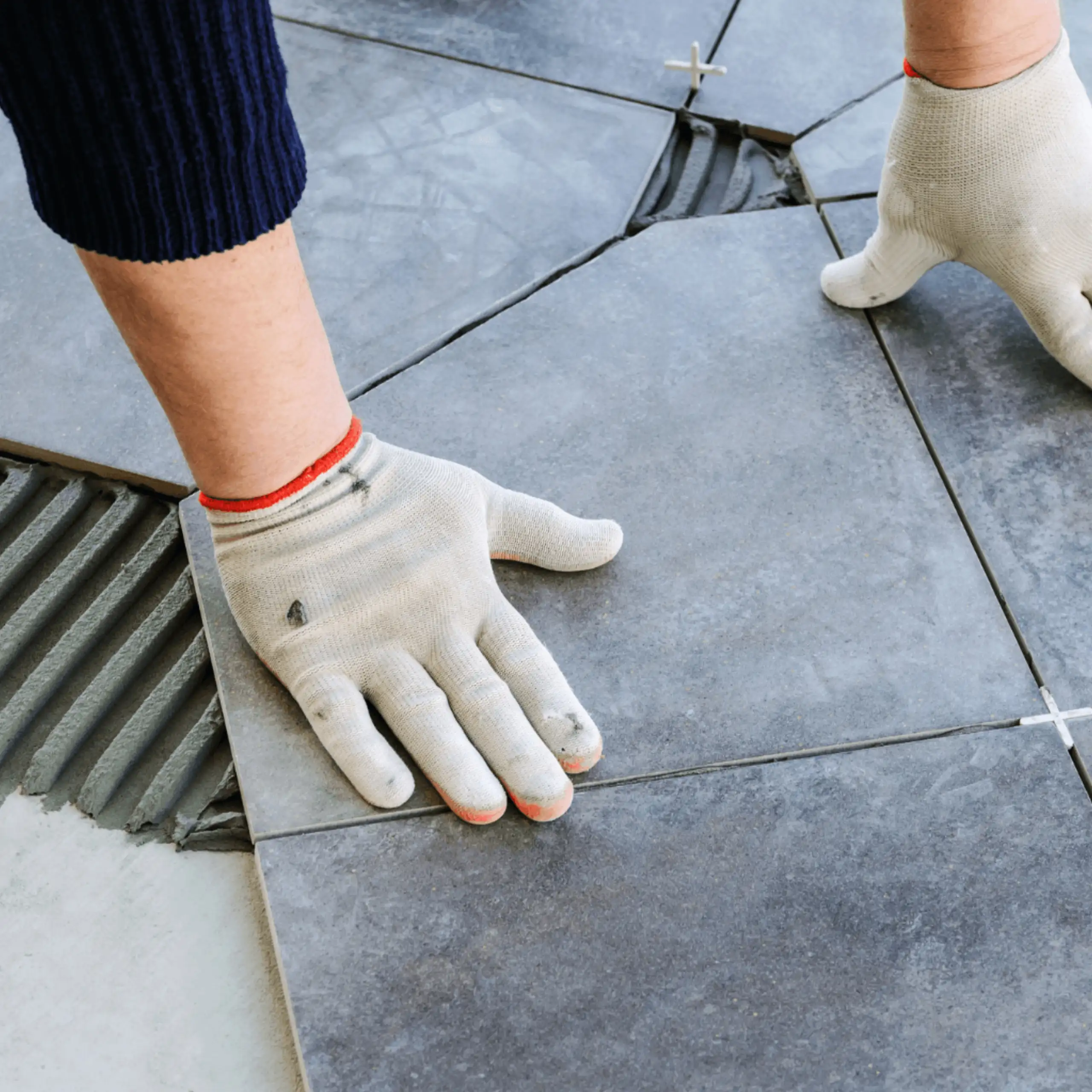
Simple patterns are better for DIY projects. Large tiles, حجر, or intricate layouts may require professional installation. It’s worth the cost for precise cuts and long-term durability.
Tile Comparison Chart: Quick Reference for Buyers
Side-By-Side Comparison of Durability, يكلف, and Maintenance
Porcelain and granite top the list in durability. Vinyl and ceramic are cheaper and easier to maintain. Stone tiles require regular sealing but offer premium looks.
Which Tile Is Best for High-Traffic, Wet, or Outdoor Areas?
Porcelain and slate are best for wet and high-traffic areas. Avoid slippery options like glass. للاستخدام في الهواء الطلق, choose tiles rated for exterior installation with good grip.
Style Inspiration by Room Type
Best Floor Tile Styles for Kitchens
Porcelain and ceramic tiles in wood-look or stone finishes are ideal. Try checkerboard or herringbone patterns for visual appeal. Terracotta fits rustic designs, while large neutral tiles work in modern kitchens.
Bathroom Tiles That Balance Beauty and Water Resistance
Porcelain and ceramic tiles in matte finishes prevent slipping. Marble-look tiles offer elegance. Mosaic and pebble tiles work well on shower floors for both style and safety.
Durable and Stylish Tiles for Living Areas
Wood-look porcelain brings warmth and durability. Use large tiles in gray or beige for a modern feel. Patterned cement tiles can add charm to a cozy or vintage-inspired space.
What Works for Patios, المداخل, and Mudrooms
Choose tiles that resist dirt and moisture—like slate, textured porcelain, or outdoor-rated quarry tiles. In mudrooms, darker tiles or patterned cement help hide everyday messes.
Related reading: From China to Your Home: A One-Stop High-End Home

Practical Tips for Choosing and Installing Floor Tiles
Mistakes to Avoid When Buying Tiles
Don’t focus only on appearance. Match tile features to room needs. Buy 10–15% extra for cuts and future repairs. Always check batch numbers to avoid slight color differences.
How to Calculate Tile Needed for Your Space
Multiply room length by width for square footage. Add 10–15% for waste. Use a tile calculator or ask your retailer to double-check. Precision saves money and stress.
What to Know About Subfloors and Tile Prep
Your subfloor must be level, ينظف, and dry. Use backer board for wood and patch concrete cracks. Skipping this step can lead to cracked tiles and uneven surfaces.
Hiring a Pro vs. DIY: يكلف, أدوات, and Risks
DIY can save money but requires tools like a tile cutter and trowels. For complex patterns or large areas, hiring a pro ensures a smooth, long-lasting result.
خاتمة
Choosing the right floor tile comes down to understanding your space, أسلوب, and needs. From durable porcelain to stylish marble or budget-friendly vinyl, there’s a tile for every room and purpose. With the right choice, you can enhance your home’s beauty, safety, and function for years to come.