Home » The Ultimate Guide to Terrazzo Countertops
The Ultimate Guide to Terrazzo Countertops
- George Stone
Terrazzo countertops are a stunning and durable choice for modern kitchens and bathrooms. If you’re considering terrazzo for your next home renovation, this guide will walk you through its benefits, installation process, and care tips. Whether you’re drawn to its eco-friendly nature, customizable design, or long-lasting durability, you’ll find everything you need to make an informed decision.
What Is a Terrazzo Countertop?
A terrazzo countertop is a unique and durable surface made from a mix of chips, such as marble, granite, quartz, or glass, set in cement or epoxy. The material is polished to a smooth, glossy finish, creating a distinctive and colorful design. It offers a modern, chic look while being functional and customizable for various styles.
History and Origin of Terrazzo
Terrazzo originated in Italy over 500 years ago. Initially, it was developed as a way to reuse leftover marble chips from larger projects, making it an eco-friendly and economical solution. Over time, the material evolved and became a popular choice for floors and countertops worldwide, with its versatility and beauty making it a staple in modern interior design.
Production Method of Terrazzo
To produce terrazzo, small chips of marble, granite, quartz, or glass are mixed with a binder, typically cement or epoxy. These chips are placed in a mold, and the surface is polished to a smooth, shiny finish. Metal strips are often used to divide sections, create design patterns, or highlight color transitions. This process allows for endless design possibilities, making terrazzo highly customizable for any space.
Common Materials for Terrazzo Countertops
Terrazzo countertops can feature a variety of materials. Marble, granite, and quartz are popular choices, offering a range of textures, colors, and sizes of chips. Glass chips can be added for a more modern, reflective look, while even recycled materials like seashells or stones can be used for a more eco-friendly design.
Related Reading: Brown Marble: The Ultimate Guide
The Advantages of Terrazzo Countertops
Durability and Lifespan
Terrazzo is known for its durability and long lifespan. Made from a combination of stone chips and a strong binder, it resists scratches, chips, and stains. It can withstand heavy use in busy kitchens and is heat-resistant, so hot pots and pans won’t damage the surface. With proper care, terrazzo can last for decades, making it a long-term investment.
Choose George Stone terrazzo countertops for their timeless elegance, exceptional durability, and eco-friendly design. With over 30 years of expertise, we offer a wide range of customizable options that are heat-resistant, waterproof, and low-maintenance. Our terrazzo products combine style and practicality, ensuring your space remains beautiful and functional for years to come.
Customizable Design and Aesthetic Appeal
One of the standout features of Terrazzo is its versatility in design. The combination of different aggregates, such as marble, glass, or quartz, can be customized to create unique patterns and color schemes. Whether you prefer a minimalist look or a bold statement, terrazzo can be tailored to suit your style.
Environmental Protection and Sustainability
Terrazzo is an eco-friendly option for homeowners looking to reduce their environmental impact. It’s often made from recycled materials, such as leftover marble chips, glass fragments, or other stones. At the end of its lifespan, terrazzo can also be recycled, reducing waste and promoting sustainability. Its use of recycled materials makes it a responsible choice for eco-conscious consumers.
Easy to Maintain and Clean
Terrazzo countertops are incredibly easy to maintain. Their non-porous surface prevents spills from being absorbed, making them simple to clean with a quick wipe-down. Most terrazzo surfaces require sealing only once a year to maintain their water resistance and protect against stains. This low-maintenance feature makes terrazzo a practical choice for busy households or those seeking a hassle-free countertop option.
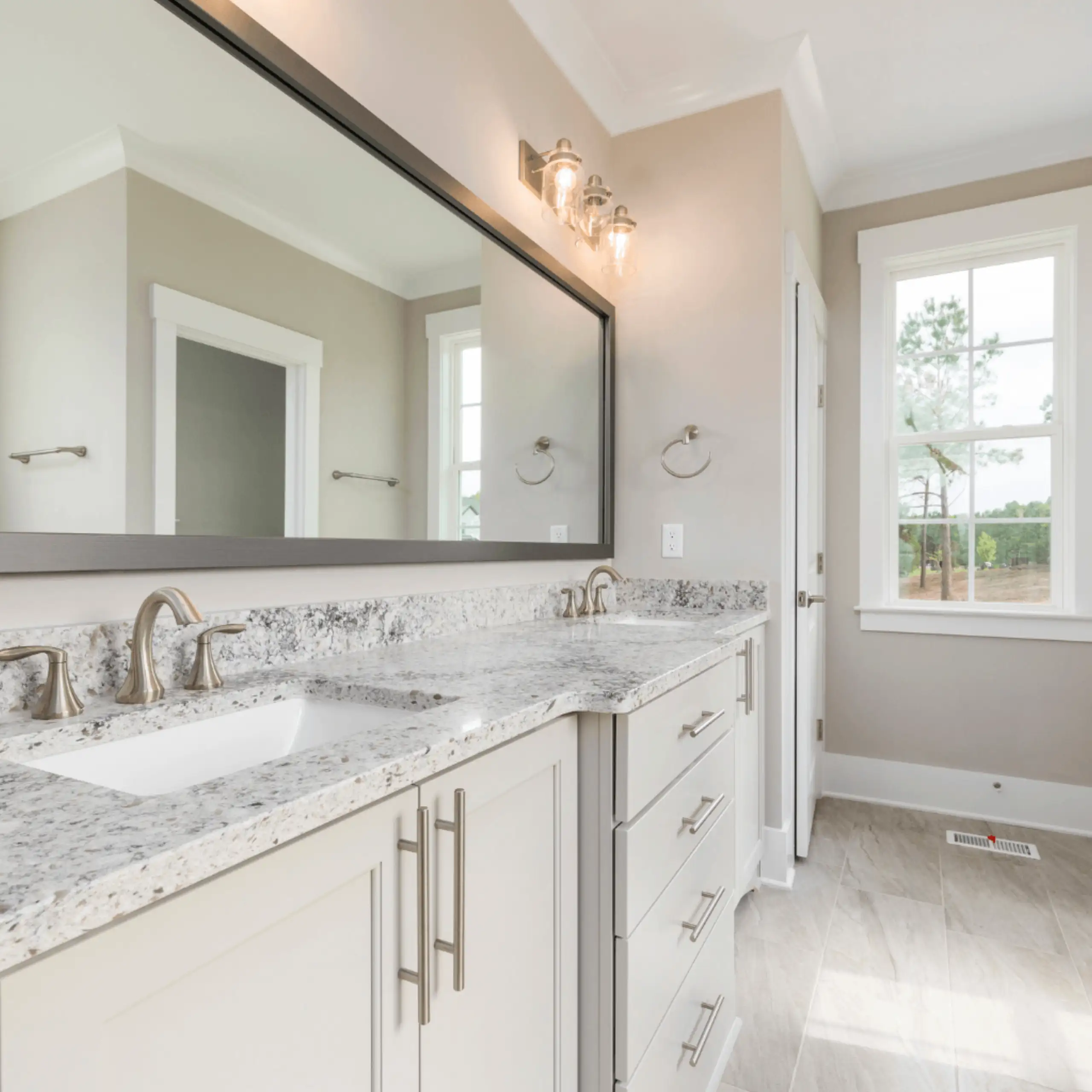
How to Choose the Right Terrazzo Countertop for Your Space
Selecting the perfect terrazzo countertop requires careful consideration of your design preferences, practical needs, and budget. Here’s how to make the right choice for your home.
Consider Your Style and Aesthetic Preferences
When choosing a terrazzo countertop, start by thinking about your overall style. Terrazzo can be customized with a variety of aggregate colors, such as classic marble, vibrant glass, or even metallic elements. If you’re going for a more traditional look, opt for neutral marble chips. For a modern and sleek feel, you may want to choose aggregates like glass or metal. You should also consider the base color of the cement binder, as it sets the tone for your space. Finally, decide whether you want a high-contrast design with large color variations or a more uniform, subtle appearance with smaller aggregates.
Related Reading: Marble Finishes: A Complete Guide to Types, Care&Application
Consider Functionality and Durability
Your countertop should not only look good but also serve its intended purpose. Terrazzo is durable and resistant to scratches and stains, making it ideal for high-traffic areas like kitchens. If you’re designing a kitchen countertop, choose larger aggregates for a bolder look that can withstand heavy use, and ensure the countertop is properly sealed for added durability. For bathrooms or vanity areas, smaller aggregates may be a better choice for a more delicate design. Consider the overall function of the space when choosing the aggregate size and finish to ensure the countertop meets both aesthetic and practical needs.
Budget and Cost Considerations
Terrazzo can be a cost-effective material in the long run due to its durability, but upfront costs can vary based on aggregate size, color, and finish. Larger aggregates and custom colors often come with a higher price tag. Additionally, professional installation is essential for terrazzo to ensure proper application and longevity. While terrazzo is generally less expensive than natural stone options like granite and marble, it’s important to balance your desired design with your budget. Always factor in the costs for both materials and installation when making your decision.
Installing a Terrazzo Countertop
Consider Your Style and Aesthetic Preferences
When installing terrazzo countertops, it’s essential to keep your design vision in mind. The choice of aggregates, such as marble, glass, or metal, will significantly affect the overall look. If you prefer a bold statement, opt for larger chips and vibrant colors. For a more refined and subtle appearance, choose smaller aggregates and softer hues.
Be sure to match the color and pattern of your countertop with the rest of your kitchen or bathroom design to create a cohesive, stylish space.
Consider Functionality and Durability
Functionality is key when installing terrazzo countertops. Terrazzo is a highly durable material, perfect for high-traffic areas like kitchens. If you’re using it in a space that will experience heavy use, consider selecting larger aggregates for added strength and a bolder look. Sealing the terrazzo properly is essential for preventing stains and maintaining its longevity.
In areas with less foot traffic, such as bathrooms, smaller aggregates may provide the delicate look you’re after while still offering durability. Choose the finish that best suits the use of the countertop; polished terrazzo works well in formal settings, while honed is better for more casual, everyday environments.
Budget and Cost Considerations
Installing terrazzo countertops can be an investment, but it’s one that pays off over time due to their durability and low maintenance. Consider both the material and installation costs when budgeting for your project. While terrazzo is typically more affordable than natural stone options like marble and granite, the price can vary depending on the complexity of the design and the aggregate size you choose.
Professional installation is highly recommended to ensure the best results, as terrazzo requires specialized skills. It’s important to factor in labor costs and any potential customizations to avoid surprises down the road. Keep your budget in mind, but also remember that a well-installed terrazzo countertop is a lasting investment in your home.
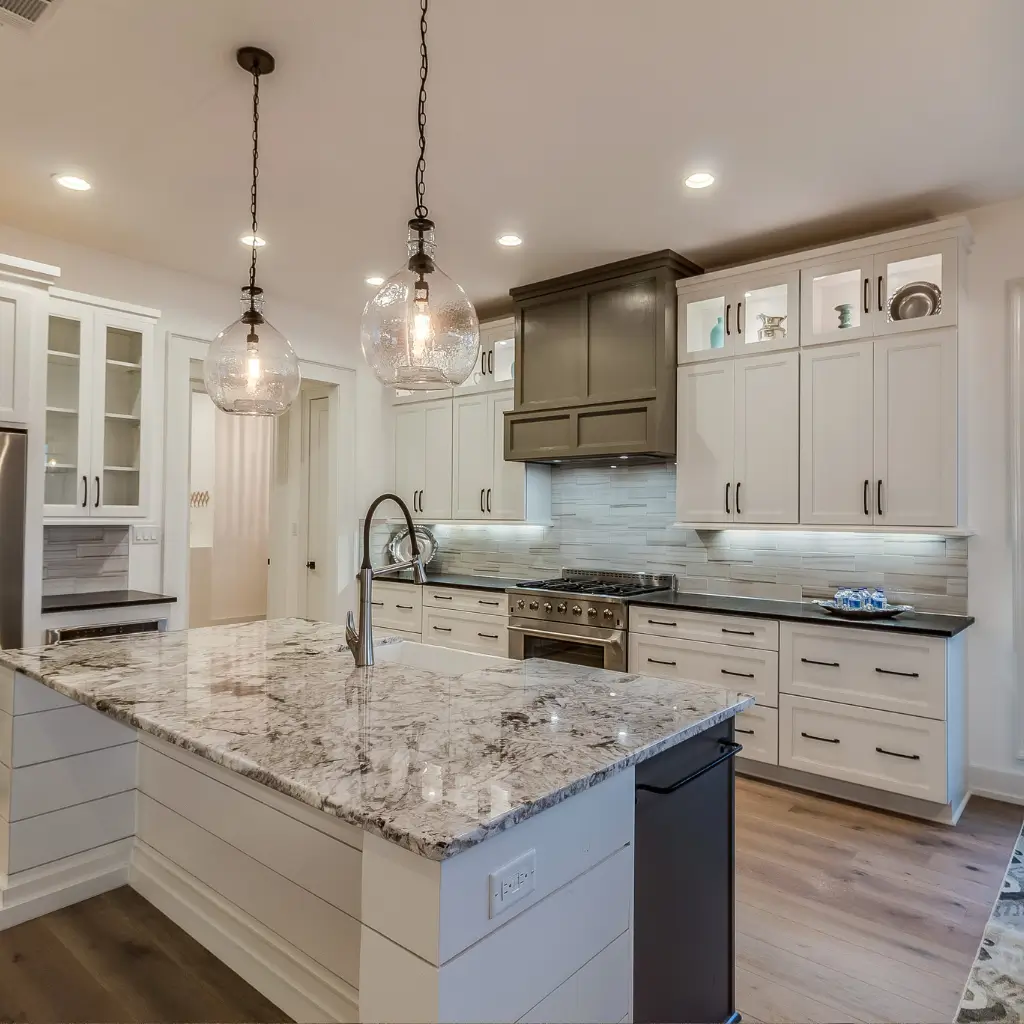
Maintaining and Caring for Terrazzo Countertops
Cleaning Tips for Terrazzo Countertops
To keep your terrazzo countertop clean, dust and wipe it down daily using a soft cloth and a pH-neutral cleaner. This will remove dirt, dust, and debris that can scratch the surface. Avoid using abrasive or acidic cleaners, such as vinegar or bleach, as they can damage the finish. A gentle, pH-neutral kitchen cleaner is often sufficient for everyday cleaning, ensuring the surface remains free of grit and grime.
Sealing and Protection
Apply a sealant periodically to keep moisture, oils, and liquids from penetrating the surface. Regular sealing ensures your countertop remains resistant to staining and maintains its smooth, shiny appearance. Always check the manufacturer’s recommendations for the proper sealant and frequency of application.
Preventing Damage and Scratches
Always use cutting boards to prevent knives from scratching the surface, and avoid placing hot items directly on the countertop to prevent heat damage. Additionally, use placemats or trivets to protect the surface from heavy objects that could cause chips or cracks. Be mindful of potential damage from heavy impacts, and always clean up spills promptly to avoid staining.
Terrazzo Countertop Cost: What to Expect
The cost of installing a terrazzo countertop typically ranges between $40 and $100 per square foot, with the average price falling between $50 and $75 per square foot. However, the final cost can vary significantly depending on several factors, including material selection, design complexity, and installation requirements.
Factors Affecting the Pricing of Terrazzo Countertops
Several key factors influence the price of terrazzo countertops. The type of aggregate used, such as marble, glass, or quartz, can dramatically impact the overall cost, as higher-end aggregates tend to be more expensive. Additionally, the complexity of the design, including custom patterns, edge profiles, and unique color combinations, can add to the cost.
Larger countertops require more material, leading to higher prices, and intricate layouts or special shaping can also increase labor costs. The region where the countertop is purchased can play a role in pricing as well, as local labor rates and material availability may vary.
Finally, the binder type—epoxy-based terrazzo tends to be more costly than cement-based options—also affects the overall price.
Compare Terrazzo with Other Countertop Materials
When compared to other countertop materials, terrazzo offers a middle-ground price range. It tends to be more affordable than high-end materials like marble or quartz but can be pricier than basic options such as laminate or granite.
While terrazzo may require a higher upfront cost due to its customization options and installation complexity, its durability, unique aesthetic, and long lifespan make it a worthwhile investment.
Terrazzo also stands out with its sustainability, as it often uses recycled materials, making it an attractive choice for eco-conscious homeowners. However, if budget is a primary concern, alternative materials like granite or laminate may provide more affordable options without the need for custom designs or specialized installation.
Related Reading: Marble vs Granite vs Quartz: How to Choose the Best Material for Your Kitchen Countertop?
In Conclusion
Terrazzo countertops offer a unique combination of beauty, durability, and eco-friendliness. While the upfront cost may vary depending on factors like material choice and design complexity, the long-term durability and low maintenance make Terrazzo a smart investment. Whether you’re renovating your kitchen, bathroom, or any other space, terrazzo countertops provide a stunning and practical solution. By considering your style preferences, functionality needs, and budget, you can make an informed decision that enhances both the aesthetics and value of your home.