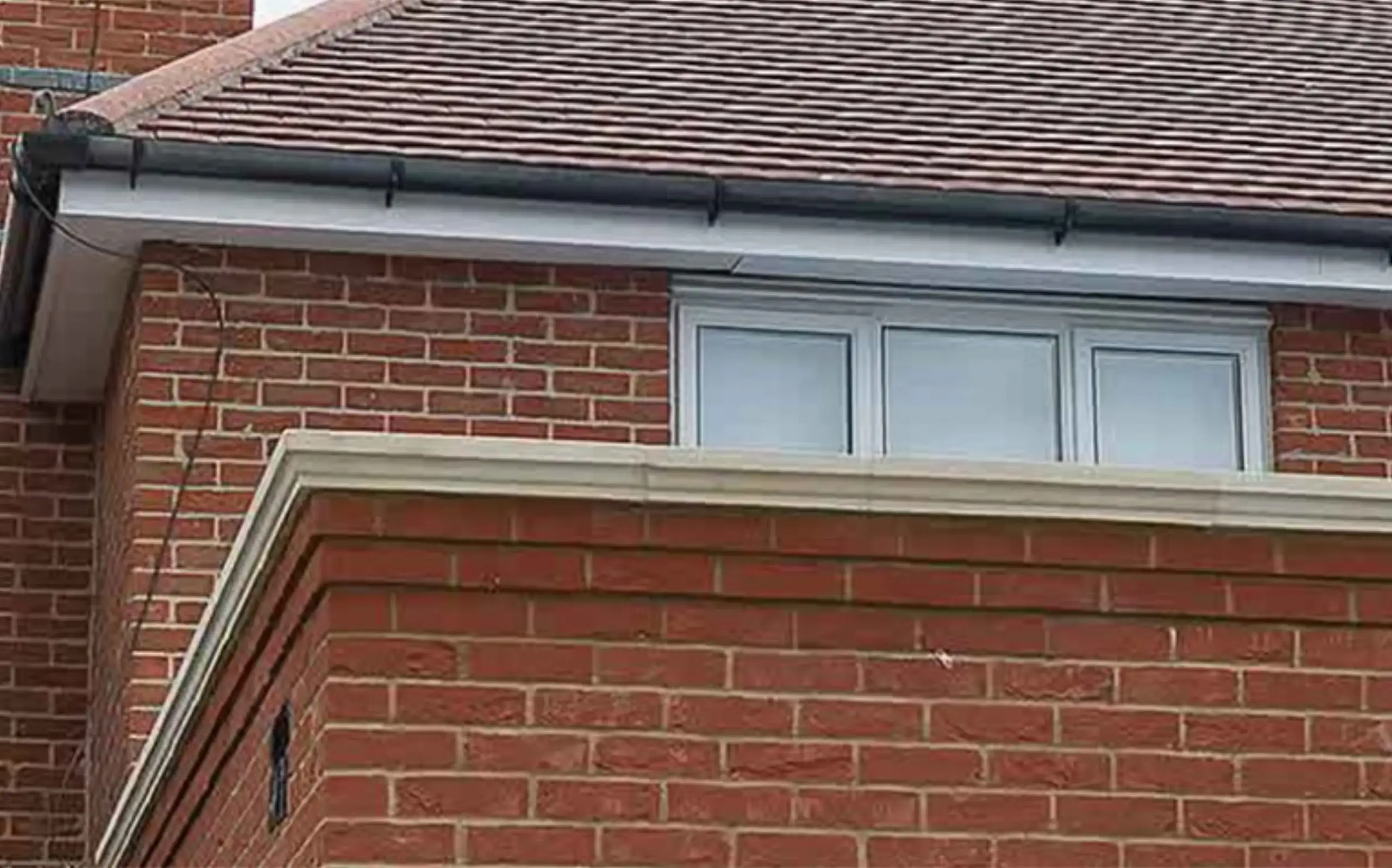
Natural Sandstone Coping & Deck Supplier- George Stone
Sandsten Coping & Deck Applications
Setting up your pool with sandstone pool coping is a great idea. Even when smoothed out, this kind of stone has a naturally rough texture, even when wet. That means it'll always have great traction. You no longer have to worry about slipping when lounging at the edge of the pool.
Indian sandstone coping can provide an even better grip for this. And as a nice little extra, you'll have an easier time getting out of the pool as well. Taking things a bit further with a sandstone pool deck has extra benefits as well - this stone has the unique characteristic of staying cool to the touch, even in hot weather.
You’ll most likely be barefoot when using your pool, so this sort of thing will be an amazing experience, and you might even call it a lifesaver during sunny days.
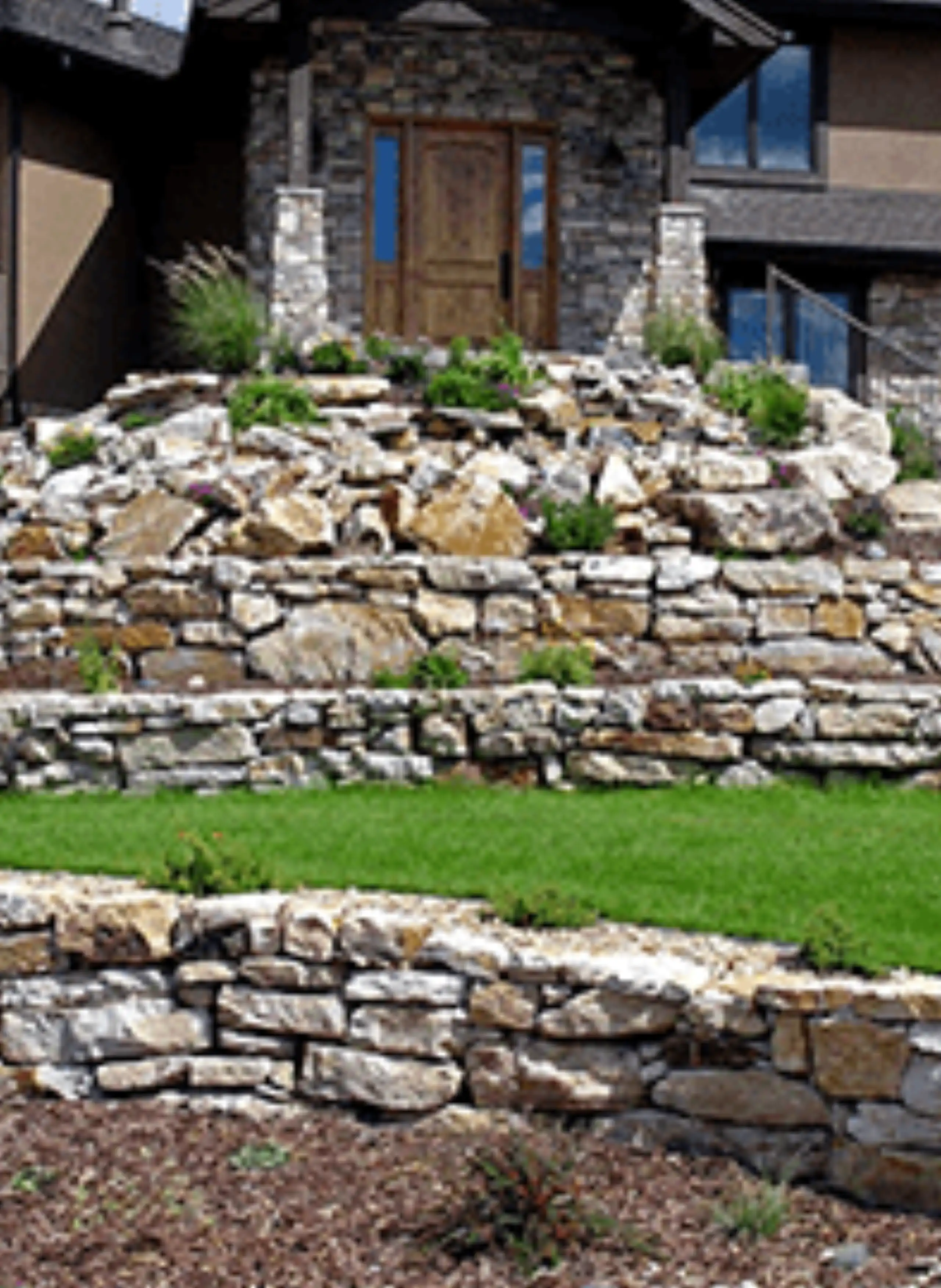
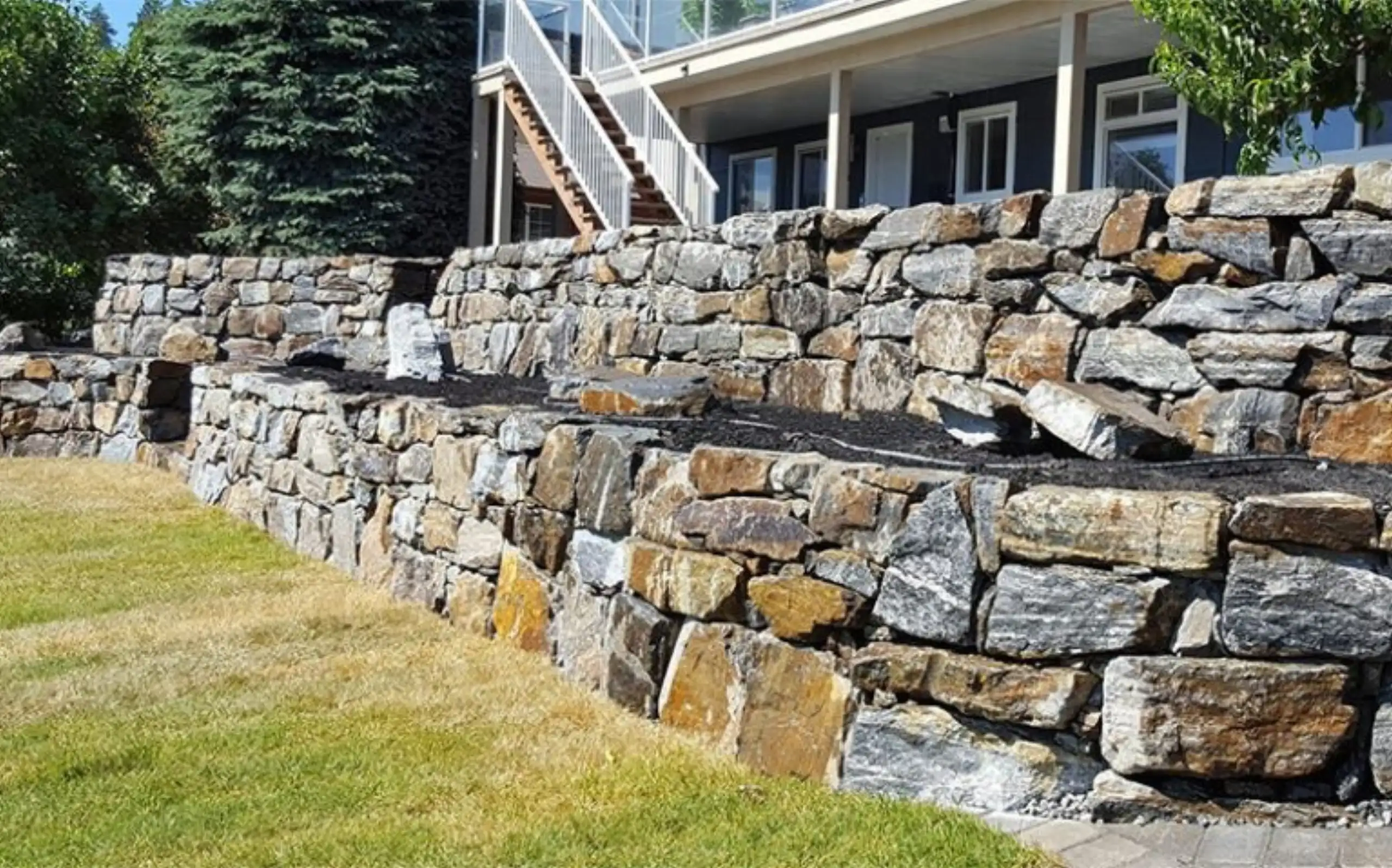
These walls have an important job - for one, they keep the soil tidy and controlled to enhance the overall look of your home’s landscape. They go beyond that, för.
They hold the key to your home’s safety, as they prevent landslides, erosions and even flooding, with the right arrangement. You wouldn’t ever want those walls to break down in such cases, rätt? That’s where sandstone coping stones for walls work the best.
You’ll also be safe from water damage during freeze-thaw cycles. Most sandstones are more porous than other kinds of stones, meaning they absorb and dissipate water much better. That’s a huge deal for retaining walls, as such stones help keep hydrostatic pressure from behind the walls down.
Water is less likely to pool behind the wall, so the risks of structural damage are lower. Even the soil pressure won’t affect the walls as much. You’ll get some more natural decor on the side too, with all of that. The coarse look of the sandstones will mix in perfectly with the soil.
This one’s a bit simpler, but still a great idea to add to your home. The non-slip characteristic means you won’t end up running into any accidents whenever it rains. Plus, the extra durability you get with stones like these will keep your stairs safe from the weather. Unlike a lot of other copings, this would matter with stairs more since they frequently have people go up and down on them.
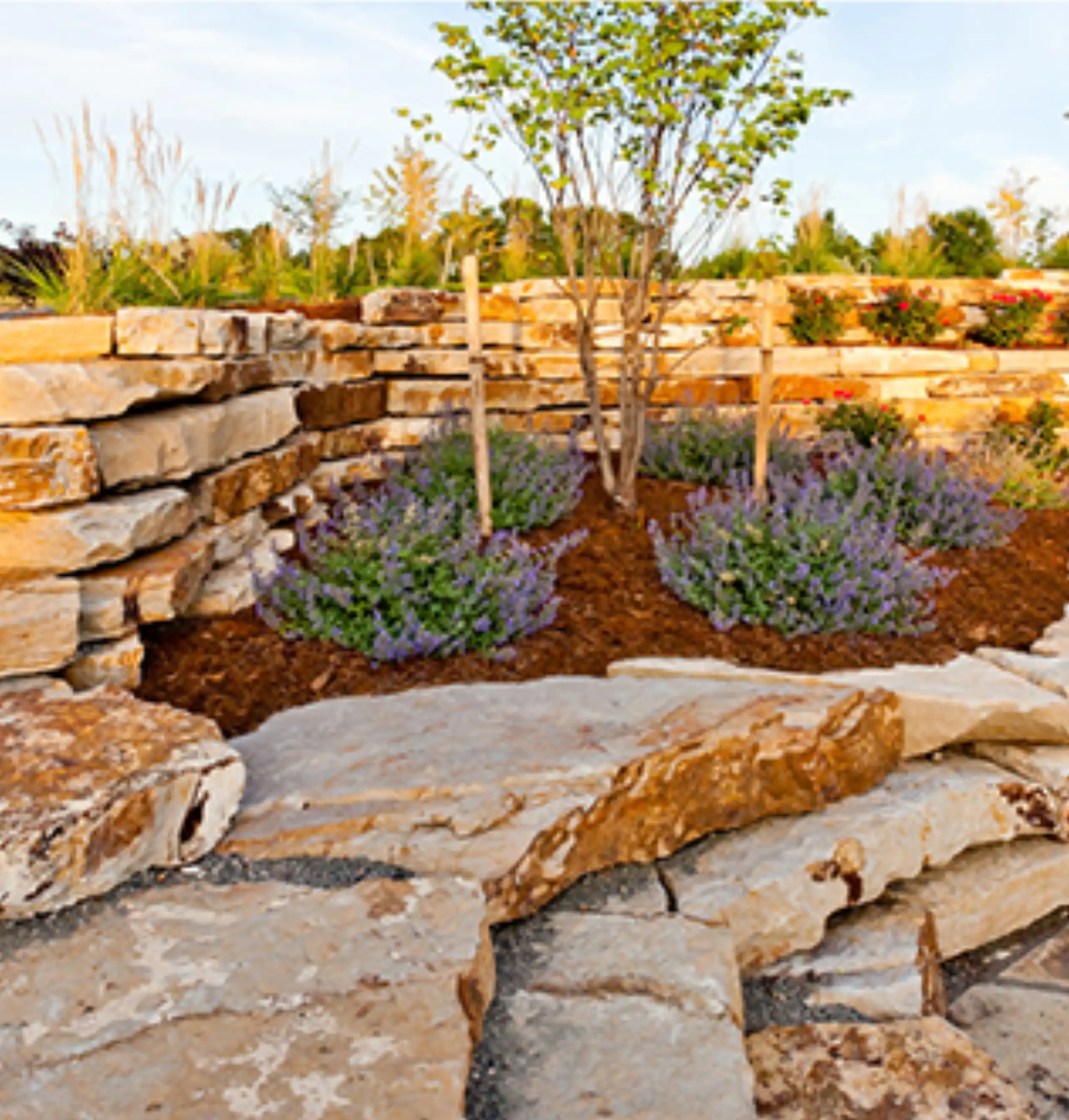
You can't be proud of a well-kept garden when there are big ugly blotches around it. That's what happens when garden walls degrade. Sandstone has the benefit of working as a great coping as well as complementing the overall earthly look of the garden.
When you put sandstone caps on your garden wall, you won't have to deal with the wall's top surface being damaged because of drainage problems. That causes the wall’s structural integrity to break off more, leading to erosions or just plain discoloring - hence the ugly blotches.
These stones have a fair bit of permeability, so they can absorb the water and redirect it away from the wall. Putting on these caps on walls is aesthetically pleasing, för, considering their earthly look.
Besides pools, this is another place where sandstone decks are a superb addition. A patio is one of the best looking places of any home, so protecting it is important. After all, people tend to walk over it often. With all the heavy foot traffic, the durability granted by sandstones is perfect.
You can make these stones a part of the decor too- stone decks are a common addition to patios just for this purpose. And you can enjoy relaxing on yours during rainy seasons much more comfortably, with no worries of slipping, thanks to the unique surface and natural draining ability of sandstones which can enhance any drainage system you already put in place.
If you often find yourself leaning onto the walls of your roof or balcony to relax, you’d enjoy these copings. With the right edge style, they can offer a comfortable spot to rest your arms - especially since they don’t heat up either.
Sandstone Coping Edge & Drip
We offer the same edge style options as we do with the rest of our natural stone coping selections. Dock, we do treat these stones differently. Unlike other options like limestones, these aren’t “soft” stones. Meaning they aren’t easy to cut. We have the tech to deal with that, though – we use industry grade granite or quartz blades to cut these stones, along with our own custom made machines. Here’s a quick rundown of all the edge styles that go well with Sandstones:
Sandstone Bullnose Coping
We make the edges fully rounded, making them look elegant as well as comfortable to use. If you want to avoid unwanted pokes from accidentally pressing too hard against the copings, these are the way to go. Their roundness works great for lounging next to pools with your feet in. Coming out of the pool feels slightly more comfortable as well.
Sandstone Half Bullnose Coping
With these, the copings come just rounded at the top, while the bottom edge stays flat. They’re a good fit for parapets, as they make it easier to keep your hands pressed onto the coping as you lean.
Sandstone Easel Coping
You’ll get the same benefits as the bullnose styles. Här, just the edges themselves are rounded, but the transition in between them is straight. This style goes well with pools and parapets as well.
Sandstone Single Chisel Coping
You’ll get one one side of the coping with an irregular finish. This goes nicely with Garden Walls where one side is covered by soil – as it adds a rougher more natural look that adds to the rough look of sandstones. This style can also add to the look of your outdoor stairs.
Sandstone Square Coping
This is more of a standard design, and a good pick if you’re trying to integrate your sandstone copings in a more modern decor – the edges are sharp with a uniform finish, and the transition is a straight vertical line.
Sandstone Bevelled Coping
These are more of an aesthetic preference with no visual benefits. It’s like Easel, but rather than a soft rounding of the edge, it’s a cut in an inward angle/diagonal slant, which makes a striking border around the coping.
We can also do Drop Edge designs – where there’s a downward edge that’s put under a standard extended edge. Dock, we wouldn’t recommend this for Sandstones.
While sandstones are generally able to stand a lot of stress, they lose that ability when they’re thinned out. Keep in mind that they’re sedimentary rocks made up of compressed sand grains, which other minerals like quartz or calcite bind together. These sand grains are far from uniform – so a lot of them aren’t stuck together as well. Så, with the sandstone thinned out, they can come apart easily, especially since force gets concentrated into a smaller area. The edges of such a design will go out easily since they’re very thin.
Sandstone Drips
We can put drip grooves under these stones just like we can with any other natural stones, which means there’s even less of a chance water might come in contact with the objects you’re using the copings on.
If you get us to customize your edges to stick out, these drip grooves can also add to the design – they look good from the sides when combined with the rougher look of sandstones.
Benefits of Buying Sandsten Coping & Däck from China
Chinese Sandstones are ethically sourced and come with excellent quality. If that isn’t enough to convince you to go for them, here’s a full breakdown of everything you get:


Any Colors
If you get your sandstone sourced from China, you won’t have trouble getting it no matter what color you choose. There’s options for all the standard colors like green, svart, röd, rosa, etc. You can even find multicolor options.


None Of The Designs Are Flat
Sandstones here have an edge with the one thing they’re famous for- their patterns and textures. You can find a lot of unique looking sandstones which have varied and distinct patterns, which adds another dimension on top of them already having a beautiful color.


Perfect Prices
Chinese sandstones, despite being no less beautiful, are far more cheaper than their counterparts from other countries, thanks to being made in a more streamlined and efficient way.


Faster Sourcing And Acquiring
There are over 180,000 licensed quarries, most of them large despite being eco-friendly. There’s always availability for whatever sandstone color you choose.


Properly Cut Designs No Matter The Specification
Eller ring oss: +86 13077409280
Frequently Asked Questions About Sandstone Coping and Deck of George Stone
Since sandstone has its own slew of unique properties, you might have many questions about it. We’ll try to address all your concerns below.
1. What are the benefits of using sandstone for coping?
Though sandstone is weak when thinned, it’s far stronger than any other average natural stone. Its composition includes Quartz, which is well known for being resistant to both abrasion and weathering.
That’s the biggest benefit, and all kinds of sandstones offer the same benefits for coping we’ve mentioned before- minimal chances of slipping as well as cooler surface temperature. It also doesn’t scratch easily compared to other natural stones like limestones.
2. China sandstone coping vs Indian sandstone coping, how are they different?
Here’s a comparison between the sandstones offered for both coping options. In summary, Chinese options have a color more true to their name, while Indian is a good pick for multicolor.
Sandstone Design | China Sandstone | Indian Sandstone |
Röd sandsten | It has a lighter red shade. Surface is polished, borstad, buske hamrade, tumlade, finslipad, split, sandblästrad, acid washed, läderad, combed and filled. Thickness varies from 2 cm (0.8 i) till 5 cm (2 i). | It has a darker shade of red. Surface finishing is bush hammered, tumlade, borstad, finslipad, sandblasted and filled. Thickness usually ranges from 2 cm (0.79 i) till 10 cm (3.94 i).
|
Svart sandsten | It has the darkest shade of the color. Surface is coarse, finslipad, flammade, bush hammered and sand rubbed. Also called China Black Sandstone. Geologically rare and has a thickness of 2 cm (0.79 i) till 5 cm (1.97 i) | India’s version isn’t purely black. Has hints of it, but is also tinted green. Called Nero Sandstone, comes with standard finishing. Average thickness is 2 cm (0.79 i) till 5 cm (1.97 i). |
Gul sandsten | It has distinct patterns on the surface. Not purely yellow, but has it as part of the primary color palette. Thickness is usually around 2 till 3 cm (0.8 till 1.2 i). Also called Wooden Vein Sandstone. | Not purely yellow either. Actually has less hints of the color in it, and is in a slightly darker shade. Patterns aren’t as contrasting as Chinese counterpart, and are harder to spot. Also called Amber Mint. Thickness goes around 2 cm (0.78 i) till 5 cm (1.96 i) |
Gray Sandstone | It has a very accurate shade of gray. Surface finishing is Flamed, Tumbled, Bush Hammered, Finslipad, Brushed, Split, Sandblasted, Combed, Filled, Acid Washed. Thickness around 2 cm (0.8 i) och 3 cm (1.2 i).
| Called Kandla Gray Sandstone, not as Gray as its Chinese counterpart. Has an earthly tone. Finishing is Sawn Cut, Sanded, Rockfaced, Sandblasted, Tumbled, Thermalled, Bush hammered, Weatheredged. Also called Bhilwara Gray Sandstone. Most options are around 2-3 cm tjock, but 5cm, 8cm, and 10cm thickness is also available. |
Flerfärgad | China has Rainbow sandstone which is known for its unique combination of white, gul, and red color bands. | Available as the Jaipur Rainbow Sandstone, which is a mix of pink and red colors, along with traces of blue. Finishing is Sawn Cut, Rockfaced, Bush Hammered, Sandblasted, Tumbled, Thermalled, Sanded. Slabs have a thickness of around 2 cm (0.79 i) till 3 cm (1.18 i). |
3. How is sandstone deck maintained?
For the most part, you just have to follow standard maintenance procedures of natural stones. One thing that you need to do differently though, is to avoid harsh cleaning agents. Those can ruin the stones due to the latter’s porous nature. Istället, the best way of cleaning would be to make use of pH-neutral cleaners.
If you choose to make use of the absorbent properties of the stone, we’d also recommend using a breathable sealer as well. Doing this will keep your precious stones from getting stained as well.
4. Can sandstone be used for interior flooring as well as outdoor decking?
Ja! Sandstone has both looks and durability in spades. It works great as outdoor decking because of how well it handles harsh weather. And it works just as well indoors, since it can reliably withstand high traffic.
It won’t scratch easily if you walk over it many times, or even drop things onto it. On the Mohs Hardness Scale, sandstone is rated between 6 och 7. That means it’s as durable as tough stones like Granite or Slate.
5. How does the cost of sandstone compare to other deck materials?
Sandstone for decking will usually cost you about 2-5 USD/meter for a 10-15 cm width. The more expensive options are 15-50 USD/meter or 1-5 USD/sq. ft.
The other materials get progressively more expensive and go up in the following order: Redwood, Cedar, Composite and finally, Exotic Hardwood, which is far more expensive.
6. What is the process for sealing sandstone decking?
You can seal sandstone decking easily with the following steps:
- Clean the dry sandstone deck well, removing any dirt or stains with soap and water or a pressure washer.
- Rinse the deck with water and let it dry completely.
- See if you need a penetrating or surface sealer based on how you want the deck to look and its protection needs.
- Shake the sealer and pour it into a container.
- Choose a brush, roller, or sprayer to apply the sealer.
- Put on a thin, even coat of sealer all over the deck.
- Let the sealer dry as the instructions say.
- Put on another coat if needed for more protection.
- Look for any foam left behind and wipe it away.
- Clean up extra sealer that doesn’t soak in within 10 minutes to avoid residue.
7. Is sandstone coping slippery when wet?
Not at all. Sandsten, regardless of quality, always has some level of rough texture that offers a good grip, even when soaked. That’s mostly thanks its sandy composition.
Although, coping sandstones are also treated further during the manufacturing process to be even less slippery, either through honing or texturing. Even sandstone placed directly around wet places like pools won’t have much of a slippery quality.
8. How much do sandstone coping tiles weigh per square foot?
On average, sandstone coping tiles weigh around 12 till 15 pounds per square foot. But that’s almost never the same. Overall weight can change based on the thickness, as well as the type of sandstone you’re getting.
They’re still lighter than natural stones though, thanks to not being as dense as the other types of stones. So if you want to set up your coping yourself and don’t want to spend a lot of effort heaving the stones around, these are a good option to go for.
9. Can sandstone decking be repaired or patched if damaged?
Ja, you can repair or patch sandstone most of the time. The damages are usually small chips or cracks, which can be taken care of by filling with epoxy or filler that has matching color.
Although, if a large area of the stone is damaged, you’ll have better luck getting a replacement. The repair can either be done yourself or contacting someone who works with lawncare or masonry.
10. Are there any special installation requirements for sandstone coping?
Ja, there are special installation requirements. Like mentioned earlier, the sealant needs to be selected correctly from the start. Förutom det, the placement and alignment also needs to be done carefully.
Thinner cuts of sandstones can chip or directly break if the installation process even goes slightly wrong. If you’re getting thin stones, it might be best to ask for a professional installation crew.
11. How does sandstone's lifespan compare to concrete coping?
You’ll get about 20-30 years from Concrete Copings before they start cracking or chipping. Meanwhile Sandstone, if it’s not too thin and is well maintained, will get you past an entire 50 år.
Sealing it often can guarantee you reach that long of a lifespan, and since the color is a part of the stone rather than pure paint, you won’t have to worry about fading either. Sandstones are essentially a full-package. They can stain, but not if you’re being careful.
12. Is sandstone considered an environmentally friendly building material?
It’s far more friendly than anything like cast stone. It’s created naturally over millions of years. Därför, it needs little processing compared to stones made with synthetic materials.
And since it’s abundant in nature, a lot less energy is wasted through transportation as well – there are a lot less carbon emissions. You won’t be doing any damage to the earth using it. Just make sure you’re sourcing it from an ethical supplier with good quarrying practices.
13. How easy is it to customize or cut sandstone decks for unique designs?
Sandstone is generally much harder than natural stone, so it’s not as easy to cut. You also need to be aware of the properties of the specific sandstone, as some can break more easily than others. Dock, there are specialized tools for cutting it properly- all of which we have access to.
We can handle cutting these stones to make curved edges, geometric patterns, specific surface textures, and anything of the like. We even have all the simple but advanced tools like water jets and diamond saws to get the job done.
14. What thickness of sandstone is recommended for decking versus coping?
It depends on what you’re getting the sandstone for. Before you consider that, you also have to think of load-bearing requirements and local climate conditions. Normalt, with decking, a thickness of 2 inches is a good idea, as that gives enough support for heavy foot traffic while being easy to install and having good aesthetics.
You can go slightly thicker with Coping, like around 2-3 inches based on where you’re installing them. Having a thicker sandstone gives you better durability and stability, which you might need if you’re installing it somewhere with a lot of water exposure, like pool edges.
15. How to find the trustful sandstone copings stone supplier near me?
You have to put in a decent amount of effort to find a good sandstone coping supplier. You need to make sure the ones you pick source their stones from licensed quarries. Look into reviews and see what customers think, consider industry referrals.
Good suppliers should give you both high quality servicing and materials. You can look deeper into the supplier’s sourcing and manufacturing processes yourself to see if they’re being ethical. Lastly, you can also ask for samples or visit their showroom to get a proper feel for the stones they offer.
Sandsten Coping & Deck Design Ideas
Få gratis prov med designråd & Offert – Vänligen fyll i formuläret eller maila oss.