
Natural Stone Coping And Deck Supplier- George Stone
Crafting Your Dream Space, Whether Contemporary Or Traditional, Leaving No Stones Unturned In Our Pursuit Of Perfection
Our Stone Coping And Deck TOP PICKS
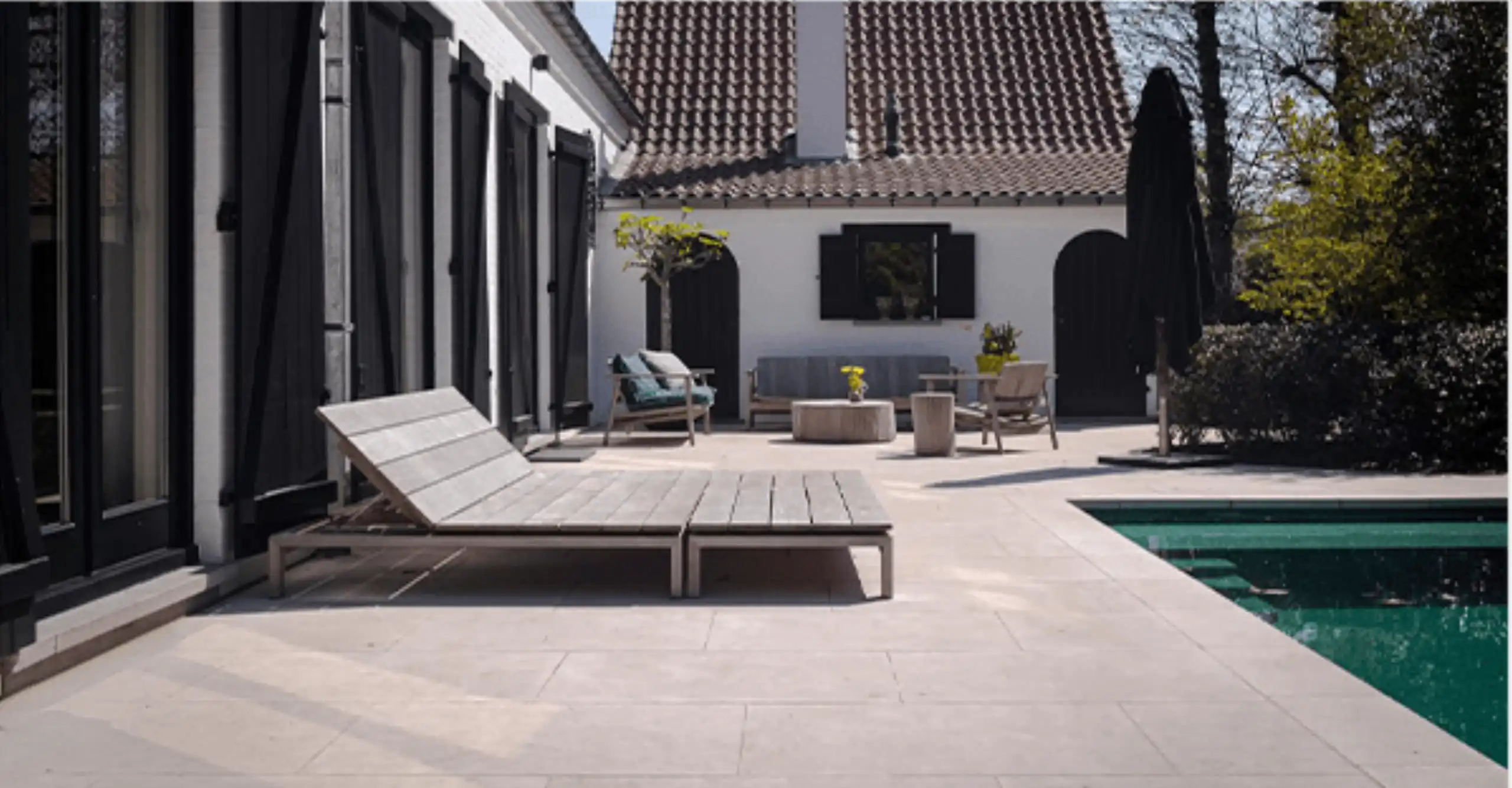
Limestone Pool Coping & Deck
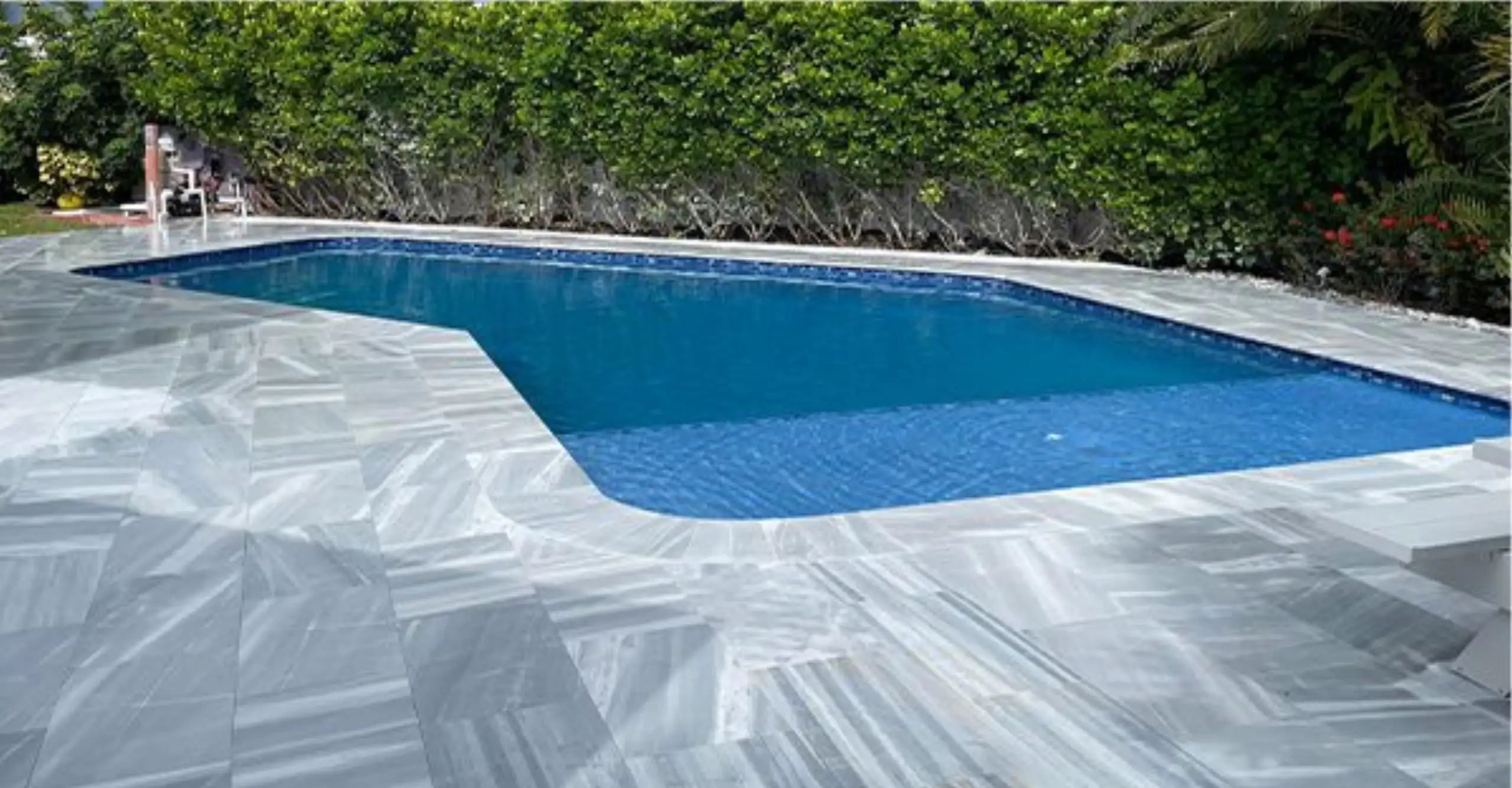
Marble Pool Coping & Deck
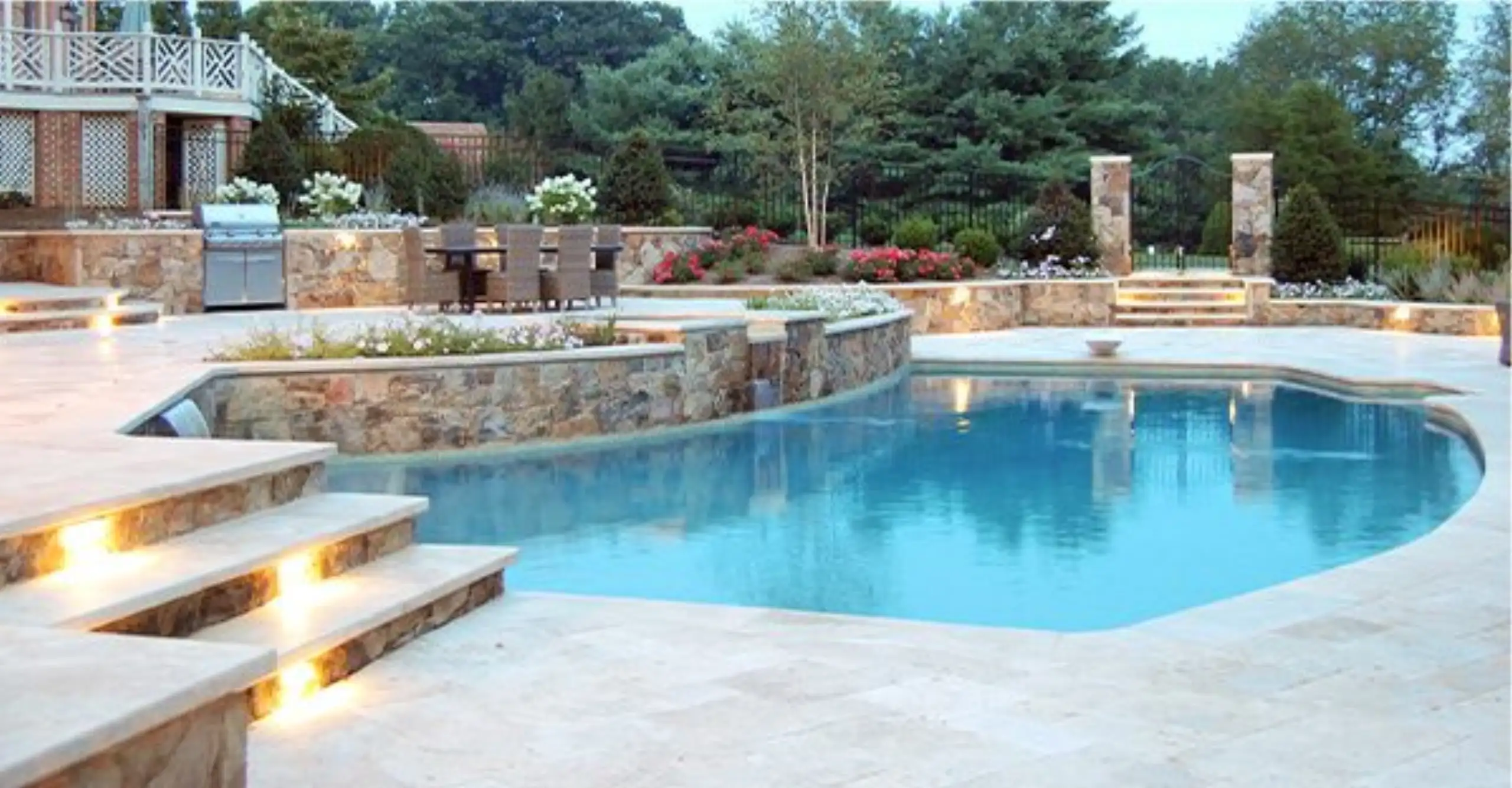
Travertine Pool Coping & Deck

Granite Coping Stone & Deck

Sandstone Coping & Deck

Bluestone Coping & Deck
Coping Cap & Deck Applications
You can use our products in a variety of ways to make your home beautiful and safer. Here’s a quick rundown on a couple of applications:
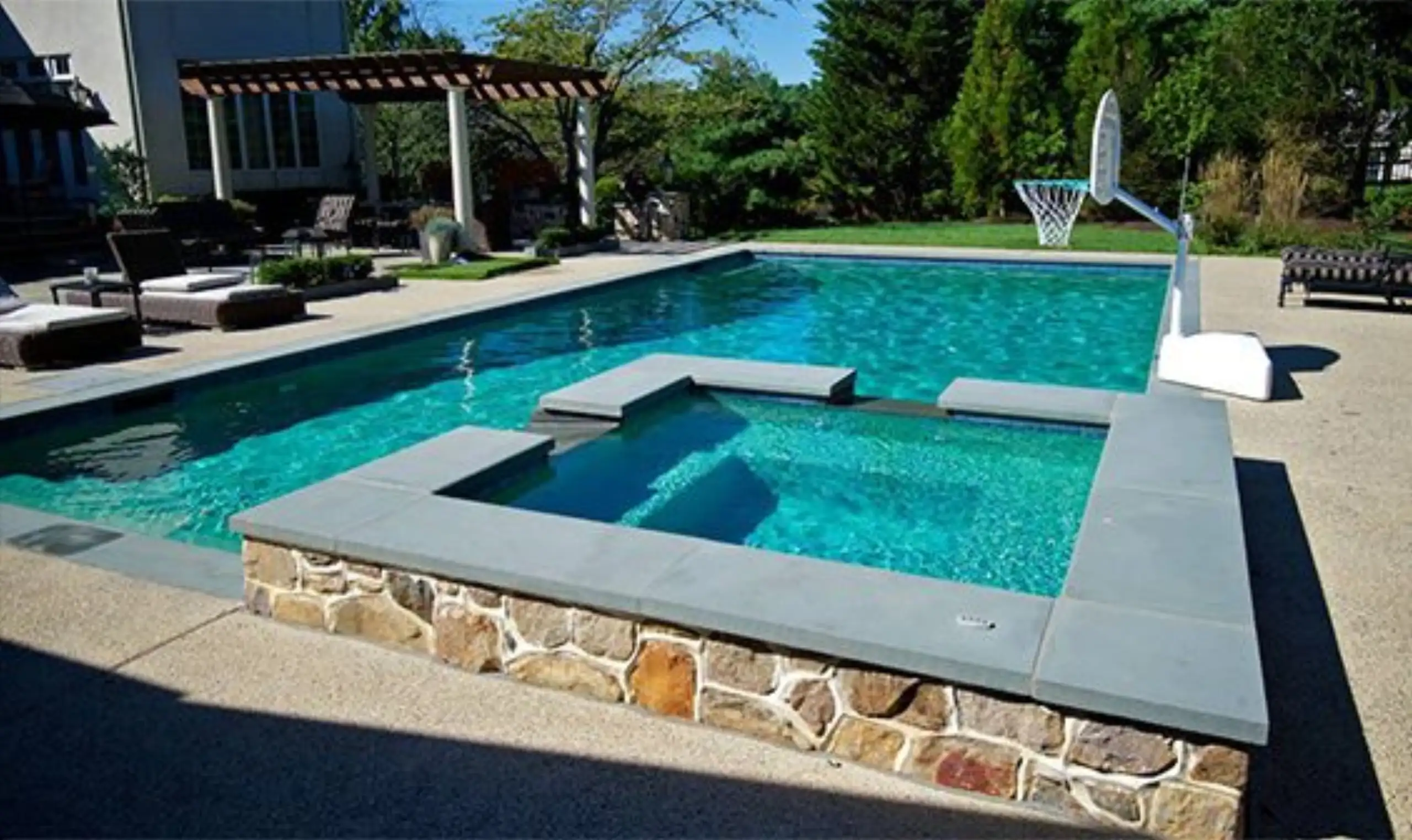
Around Pool
Having coping caps and decks around your pool is a huge deal. For one, the last thing you want to do is step around uneven, prickly ground while you’re barefoot. With stone pool coping and decks, you can smooth out the experience of both going in and out of the pool. Plus, you can also protect your pool’s foundation and structural integrity, all while adding to the vibe and looks of the whole space. Bluestone Coping works great in this regard.
Flat Wall
You’ve surely seen some walls that have aged and broken down into a look so bad, that they’re worthy of being called “rotten”. That’s where coping caps come in. These can help protect walls all around your home. That means short walls around your stairs, gate walls, and even your house’s main walls. Even those are at risk of quickly wearing thin because, without any coping, there are minuscule gaps at the top of the walls where the roof meets, through which water can seep to cause structural damage. As an extra perk, you can also turn any bland wall design into a fancy and polished-looking one.


Parapet Wall
Your roofs and balconies are places you can visit every once in a while to enjoy some nature, but if your parapet walls are barely holding up, that can ruin the view. Stone coping parapet walls make them last longer – as natural stone is so much more durable than stuff like concrete. The latter also has less heat resistance, so you can’t lean onto your wall as comfortably. With a cap, you’ll not only be able to relax more without any heat or the wall itself breaking, but you can also spice up the aesthetics a bit more so there’s more for you to appreciate.
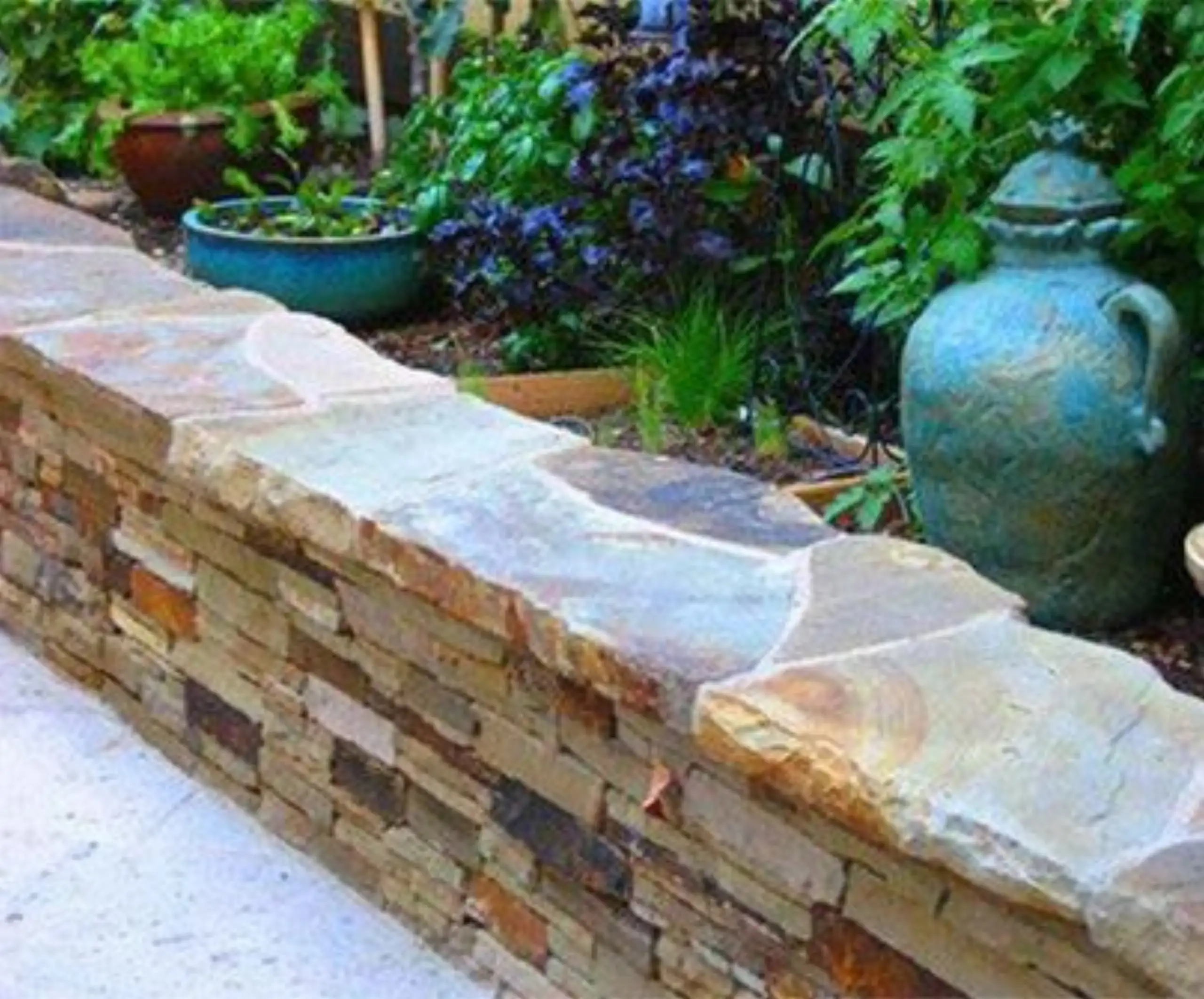
Garden Wall
Gardens are something anyone can be proud of when they put time and effort into them. But if the walls you’ve meticulously put down to add to your lawn’s look and to protect your plants wear out, that will instantly ruin the aesthetic of the beautiful thing you’ve worked hard on. And that’s no good, right? You can put caps on them to keep them free from damage from weather elements like the rain.

Column and Pillar
Coping and Decks go hand in hand when it comes to these. You’ll need both regardless if you have short or tall pillars. With the tall ones, both provide general protection, and the Decks also go a way towards providing better support and stability, while giving you style points. There’s a huge benefit aside from looks with adding these to short pillars, too. With stone caps, you get weather protection as well as a cool place to keep accessories on, to add to the decor. You can even put plant pots there or sit on them comfortably.
Chimney
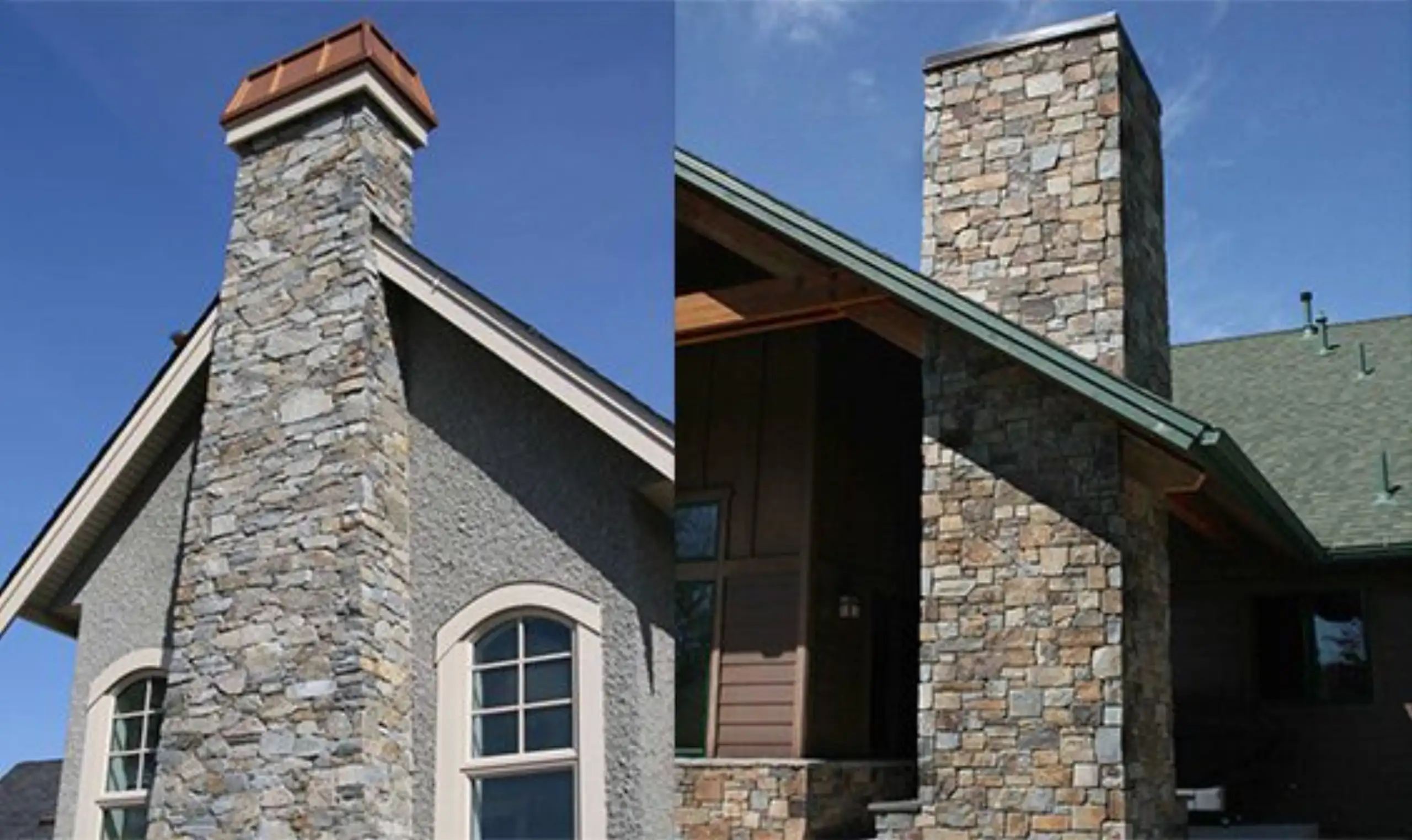
Chimney caps might seem like a tiny detail, but they can add a small flair to your house at a low cost. Many charming homes sport chimney caps adorned with interesting decorations. You’ll see a lot of good-looking houses that use chimney caps to put interesting ornaments on top. And they’re not just for show- they’re practical too. They keep rainwater from wrecking your chimney and also make sure any water doesn’t end up causing trouble with your fire or stove. Adding a deck to a chimney is a good idea, too, especially if you’ve got a fireplace. These things are always one of the best points of a home’s appeal, and a deck helps it stand out.

Patio
Adding decking to a patio is a huge thing, especially in the UK where people do a lot to make their homes seem beautiful. There, they have a whole term for these; Decked Patios. Putting stone decks on your patio instead of wood decks or composites offers a whole slew of benefits. They don’t wear and some stones straight out don’t even get scratched. Even better, stone patios are non-slippery, they stay cooler than other materials and look amazing to top things off.
Stone Coping Edge
Edge styles are one of the core parts of a stone coping, besides the stone itself and its pattern. You can of course get your coping edge customized exactly the way you want, but we do offer some pre-designed options such as:
Full Bullnose:
These offer a soft, fully rounded look from the top to the bottom end. We shape the stone to create a uniform curve along the edge. That means no sharp edges to bump into, which makes it great for adding onto pools. You can also have them in other areas to get a more traditional style. It goes the other way, too – with a traditional design, they can be optimized to seem like a small overhang, adding a modern touch.
Square:
Are you more of a minimalist and contemporary type of person? You might find yourself gravitating more towards this style, then. Per the namesake, the square coping features straight, perpendicular edges, giving it a clean and modern appearance. Produced by cutting the stone with precise angles, this style practically fits into any coping area you can imagine.
Drop Edge:
This style features a downward-facing edge that extends a significant length from the main edge of the coping, at a sharp perpendicular angle. The recessed edge can be great for adding depth and definition to any areas you use such copings on – though they work best with walls and stairs. We usually keep these edges thin, to complement modern settings, but you can have them made thicker for a more traditional look.
Half Bullnose:
This coping style will also get you similar levels of comfort as its full counterpart, with a slightly more distinct look. The shape is a semi-circular edge, with less protrusion from the top and a sharp edge by the bottom. You can also use these for pools, though they also look good on stair treads.
Single Chiselled:
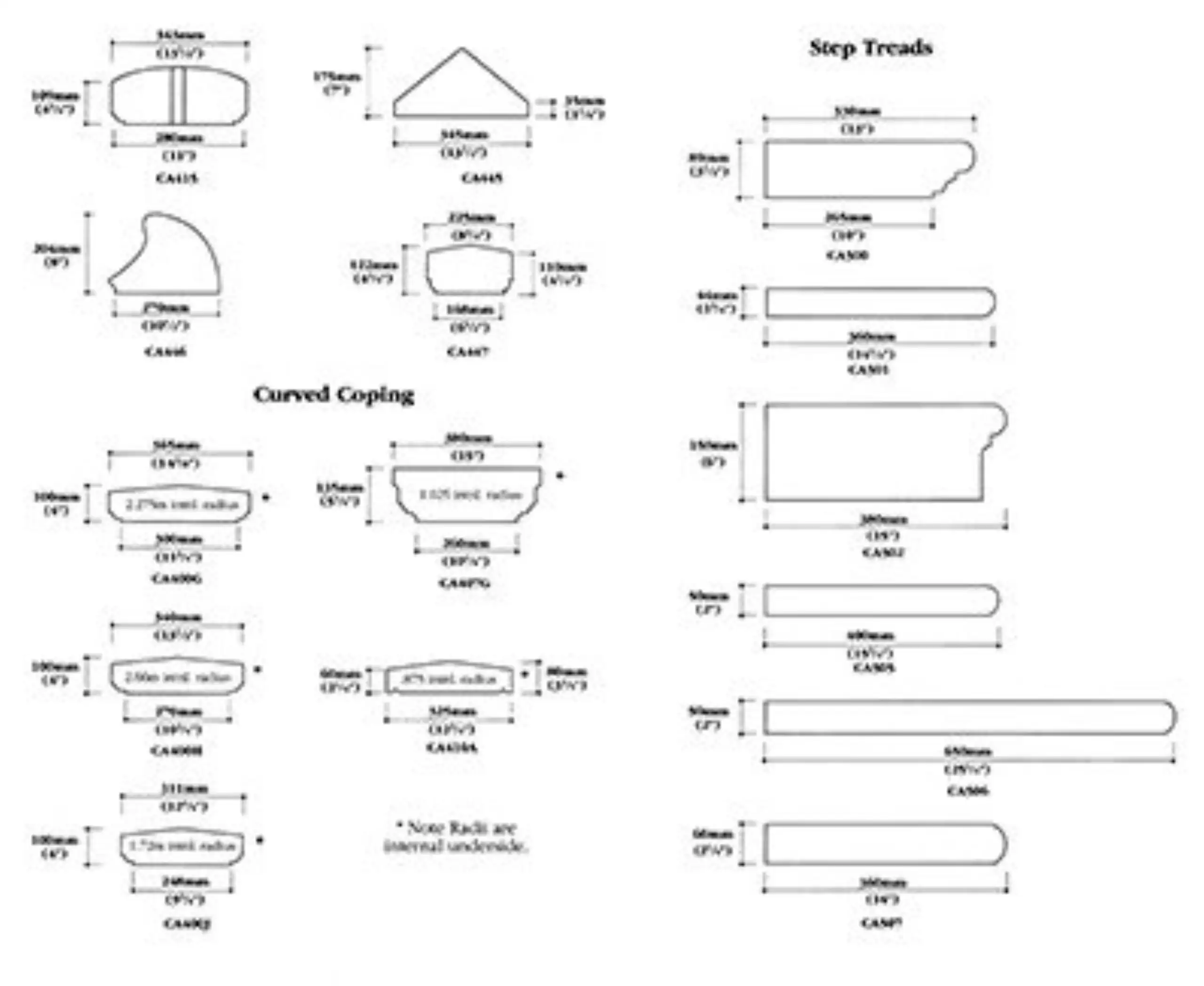
There’s something about the natural rough shapes of stone that can catch anyone’s eye. We take advantage of that and make you something that has a rustic or rugged charm, while still looking like it was crafted with expertise. This coping edge mimics the appearance of hand-cut stone with rugged, irregular edges softened by chamfering. The other side gets sawn straight, which is why it’s perfect for indoor flat walls where you can only see one side. For instance, you can have this kind of coping in a corner where the ceiling meets the wall.
Eased:
Eased coping has slightly rounded edges that are smoothed to eliminate sharp corners. Unlike Bullnose, only the edges are shaped with slight chamfering – meaning that the edge will have one uniform slope, with a slightly more angled bevel on top. The middle area doesn’t transition in a smooth circle but rather has a straight vertical shape. That way, you get a more modern flair while still getting the safety and comfort of Bullnose edges. This works great for pools as well, along with wall tops. Usually, we only do this for one side of the cap.
Double Chiselled:
More or less, this is the same as Single Chiselled, with the same treatment of chamfering given to the edges of both sides. You can use this with shorter walls like garden and parapet ones, if you fancy a complex artistic look that isn’t necessarily traditional in the “classic” sense.
Bevelled:
These are a bit more niche, but still a good complementary mix between the simple aspects of a modern design, and the more complex flair of something more artistic and traditional. Here, the edge is cut at an angle, creating a sloped edge that adds dimension to the stone. With how versatile it is, it works great for many places, such parapet walls, outdoor steps, and even kitchen countertops.
Complementary Edges
Raised Safety Edge Coping:
If you’ve got a fear of slipping or falling, you’re going to need this. We add a raised lip or edge, in a way that enhances safety. This often works best for traditional coping styles, adding security in places like swimming pools or elevated areas.
Stepped Coping:
This serves as a purely aesthetic add-on. We’ll add multiple levels of edges or slopes. You can customize the level of protrusion you want, adding the potential for extra functionality. Plus, you can play around with the color in each level as well, creating a gradient look.

Stone Coping Drip

Reasons for Buying Stone Coping from George Stone

George Stone has been at this for over 20 years, with two cutting-edge manufacturing hubs and a massive but skilled workforce making sure everything’s top-notch.

Though we’re based in China, we get our rocks from all over the world. So whether you’re looking for stone deck tiles for a hotel or your own backyard, we’re never going to be out of stock for that stone which is a perfect match.

Our factories are packed with the finest machines from Germany, Italy, and China, just so we can guarantee quality and precision for every piece.

Your project’s unique, and we get that. We’ll work with you to make sure your stones are exactly what you want, from start to finish.

We don’t mess around with quality. Every stone we make is checked and double-checked to make sure it’s tough and looks good.

We don’t just drop off the stones and leave. We’ll pack them up, get them to your place, and even stick around to install them. Not even the weirdest outdoor arrangement will get in our way!

Seriously, we want you to love your stones. So we’ll do whatever it takes to make sure you can get lost in the new look of your space when all is said and done.
Or Call us: +86 13077409280
Frequently Asked Questions - About Stone Coping And Deck of George Stone
If you’re new to copings and decks, you might still be feeling a little lost. We’ve shared all our details up above. But, if you’re new and need some help with such projects, in general, to ensure you’re making a good purchase from us, we’ll help you out with all the questions you might have.
1.What are the benefits of using stone coping?
Well, there are the usual benefits that come with coping, such as protecting walls from water and adding a more distinct and authentic look. And if you use natural stone coping for your pool, you can get a whole handful of other benefits, such as keeping chlorine levels and water temperatures down, stopping algae from growing, drastically taking down the chances of any erosions and chemical corrosions, and even improving the taste of the pool water.
2.How is a stone coping better than coping made with other material?
Here’s a rundown of what sets stone copings aside, along with the difference with the same aspects with other copings – it’s better in all practical aspects except for the cost.
Aspect | Stone Copings | Brick Copings | Clay Copings | Concrete Copings | Aluminum Copings | Wood Copings |
Durability | Highly durable, resistant to weather, cracking, and fading, maintaining shape. | Durable but prone to cracking under pressure or extreme weather, loses fine shape or huge chunks over time. | Durable, long-lasting color, but can chip or crack with impact. | Durable, withstand heavy loads and weathering, but develops cracks over time. | Lightweight, rust-resistant, but prone to denting and scratching. | Durable with care, but suffers from rot, decay, and insect damage without regular upkeep. |
Aesthetics | Natural elegance with varied colors and textures. They pop with different architectural styles. | Classic charm, though less varied. | Rustic earthiness, rich colors that can go well with traditional or Mediterranean-style designs. | Mimics the look of natural stone or brick but lacks authenticity of the real materials. Textures and colors can be customized. | Modern and sleek appearance. Various finishes such as brushed, matte, or powder-coated colors. | Warmth and natural beauty, with a variety of wood species available, each offering unique grain patterns and hues. |
Maintenance | Minimal maintenance, with occasional cleaning. Seal needed to prevent staining. | Regular cleaning needed to remove moss, mildew, or algae growth. Mortar joints need repointing over time to keep structural integrity. | Low maintenance but still needs cleaning to remove dirt or organic matter. Seal needed to protect against stains and moisture. | Low maintenance but needs periodic sealing to protect against staining or moisture penetration. Cracks must be repaired as they can make the whole thing take damage more easily. | Need occasional cleaning with soap and water to remove dirt or grime. However, they involve a lot of manual work when it comes to taking care of any scratches. | Regular cleaning, staining, and sealing needed to protect against moisture, UV damage, and rot. Inspecting for signs of decay or insect infestation is essential. |
Cost | Stone coping prices are higher due to the cost of natural stone materials and installation. | Moderately priced, more cost-effective. Installation costs can vary depending on the design complexity. | Moderately priced and offer good value for durability and aesthetic appeal. Installation costs vary depending on the availability of clay materials in the area. | Relatively affordable compared to natural stone or brick. Installation costs vary based on design complexity and finishing options. | Moderately priced. Installation costs vary depending on the finish and customization options. | Vary significantly in cost, with hardwoods being more expensive than softwoods. Installation costs vary based on design complexity and species availability. |
3.Stone Coping vs Stone Decking - What sets them apart?
They’re completely different. Here’s how.
Aspect | Stone Coping | Stone Decking |
Material | Typically made of natural stone such as granite, limestone, or travertine. | Typically made of natural stone like slate, quartzite, or sandstone. |
Purpose | Stone coping is used for pools to make them last longer and be safer. Also generally used on different types of walls for added weather protection. | Primarily used to cover up uneven grounds. Can also be treated with water-resistant coatings to be put on roofs |
Installation | Precise measurement and cutting is done before being placed on set spaces on walls or pool edges. | Similar to stone coping, but a full sweep of a wider area is done to fix up issues with evenness, proper support and drainage is also considered. |
Maintenance | Requires some cleaning and sealing to maintain appearance and prevent damage from weathering or pool chemicals. | Regular cleaning and sealing to prevent staining, cracking, or slipping hazards. May also need occasional re-leveling or repairs. |
Aesthetics | Enhances the style of the surface it’s put on, without taking too much attention. | Can be used to create a consistent decor that matches the theme of the whole home. |
Cost | Very expensive due to sourcing natural stone and all the labor involved. | Even more expensive, same case as Stone Copings, and a much wider area also needs to be covered. |
4.Stone coping vs cast stone coping - is the latter better?
Not quite. Here’s a full breakdown of the differences.
Aspect | Natural Stone Coping | Cast Stone Coping |
Composition | Comes straight from nature, formed over eons in quarries. | Man-made mix of materials like Portland cement, gravel, manufactured or natural sands, crushed stone and color made to look like real stone. |
Looks and Authenticity | Each piece is unique with its own colors and textures. | Tries to copy real stone with consistent colors and textures. |
Durability | Tough against the elements, but some types might not handle chemicals or extreme temps well. | Holds up decently, but might chip or crack easier than the real deal. |
Maintenance | Needs a bit of sealing or cleaning now and then to keep it looking fresh and fend off stains. | Usually less maintenance since it’s made to resist stains and weathering. |
Cost | Can be pricey upfront because of sourcing and more logistics involved. Stone type can make the price vary wildly as well. | Often cheaper because it’s made to order, cutting down on shipping and waste. |
Installation | Takes some skilled hands to fit the irregular shapes and handle the weight. Can be time-consuming for shaping and fitting. | Easier to put in place since it’s all uniform and often made with more machinery involved, which means less time and hassle taken. |
Customization | Limited to what nature dishes out, so each piece has its own flair that can’t be replicated. Texture and shape can be customized, color not as much. | Offers more choices in colors, textures, and shapes. |
Resale Value | Due to the rarity and uniqueness of natural stones, your property value can go up significantly. | Doesn’t add much resale value, as the materials are artificially made and easy to acquire. |
5.Stone Deck vs Wood Deck - Is going harder with stone worth it?
Wood decks can add a luxurious touch to any place, so should you go for it or take the more colorful way with stone decks? The differences below will help you decide.
Aspect | Stone Deck | Wood Deck |
Durability | Tough, handles lots of use and bad weather without falling apart or getting eaten by bugs. | Not as tough, but decent. Needs regular care to avoid rot, bugs, and getting too worn out. |
Maintenance | Doesn’t need much work, just a bit of cleaning now and then and a fresh coat every few years to keep it looking good. | Needs regular attention – cleaning, sealing, fixing up – to stay strong and avoid problems like rot and splinters. |
Lifespan | Lasts a long time, could stick around for decades if you take care of it right. | Doesn’t last quite as long, maybe 10-20 years if you keep up with the maintenance. |
Aesthetic Appeal | Looks interesting and classy, lots of colors and patterns to choose from to make your outdoor space pop. | Has a cozy feel, but might need some paint or stain to keep it looking nice and not too weathered. |
Environmental Impact | Not too bad for the planet, comes from nature and can often be recycled or reused. | Can be rough on the environment depending on where the wood comes from, but there are eco-friendly options out there. |
Cost | Costs more up front because of materials and labor, but pays off in the long run with less upkeep. | Starts off cheaper, but you’ll end up spending more over time on maintenance and repairs. |
Effectiveness Against Heat | Stone, being a denser material, has a higher thermal mass, meaning it can absorb and retain more heat from the sun compared to wood. | Generally absorbs less heat than stone decks. Still heats significantly under direct sunlight, but doesn’t hold it for as long. |
6.What are the best types of stone for coping and decks, and why?
There are a lot of stones to pick from. Overwhelmed? This rundown of the most common options might help.
Stone Type | Advantages | Disadvantages |
Marble | Elegant, timeless look, lots of color options. | Prone to staining, can be slippery |
Granite | Resistant to scratches and heat, low maintenance. | Limited color options. |
Limestone | Natural appearance, warm tones. | More weak to erosion and harsh weather. |
Travertine | Unique texture, natural variation, non-slip surface, stays cool in sun. | Requires regular sealing. |
Basalt | Dense, uniform appearance, resistant to weathering and erosion. | Limited color options. |
Sandstone | Natural look, wide range of colors, good traction, affordable | Prone to chipping and flaking. |
Coral Stone | Unique texture, natural coral fossils, excellent traction, and eco-friendly. | Can be expensive, hard to source. |
Shell Stone | Has visible shell fragments as a unique aesthetic, non-slip surface. | Vulnerable to scratching. |
7.Is stone coping slippery when wet? Are there non-slip options available?
Yes, Stone edges around pools or edges of structures can get pretty slick when they’re wet, which can be risky. But there are ways to tackle that. You can rough up the surface by using tools like sandblasters or hammers, making it less slippery. Another trick is to use special sealants or coatings made for stones to add grip. Also, the type of stone you choose matters. Some, like sandstone or limestone, naturally have better traction because of their texture or roughness. So, picking the right kind of stone can make a big difference in keeping things safe, especially around water.
8.Does stone decking require sealing? How often?
Stone decks need a good coat of sealant to stay strong against water, stains, and wear and tear from the weather. The sealant acts like a shield, keeping water out, stopping mold and grime buildup, and preserving the deck’s look. How often you reseal depends on what kind of stone it is, the weather where you live, and how much people walk on it. Generally, you should redo the sealant every 1 to 3 years, but if your deck is by a pool, you might need to do it more often because of the water and chemicals. Keeping your deck clean and maintained can help the sealant last longer and keep your stone deck looking good for years.
9.What maintenance is required for stone coping and decking?
To keep your stone coping and decking in good shape, you’ll need to regularly clean off any dirt and grime buildup using a gentle soap or mild detergent. Make sure to inspect them often for cracks or loose stones, which you’ll need to fix promptly to prevent further damage. Every so often, you’ll need to seal the stone surface to protect it from stains, moisture, and weathering, typically every 1-3 years. Remember to avoid using harsh chemicals and abrasive cleaners to avoid damaging the stone. In colder areas, you’ll need to ensure proper drainage to prevent water from freezing on the surface, and avoid using deicing salts, as the crystallization (called subflorescence) in them can severely mess with the stone’s composition. That means not using ice and snow melters around them.
10.How to install and fix the stone coping around a pool?
Here’s a detailed rundown of the steps you need to follow. You’ll likely need to do further research on your own and mention to us that you plan to do things yourself so we can offer instructions specific to the stone type.
- Smooth out the pool edges using leveling cement.
- Use a laser tool to make sure the coping is straight and even around the pool.
- Measure the pool carefully to figure out how big the joints between the coping should be.
- Start by putting in the corner pieces first, making sure they’re level.
- Cut the coping pieces in the middle of each side to spread them out evenly.
- Stick the coping down with the right glue, like MAPEI or epoxy.
- Leave small gaps between the coping and bigger ones every so often for expansion.
- Fill in small gaps with regular putty and bigger ones with elastic putty.
- Finish putting in the coping before adding the outer trim.
- Leave a small space between the coping, grate, and trim for flexibility.
- Put some “Armaflex” tape under the drain grate and nearby areas to reduce shaking.
- Check that the cement under the coping is strong enough.
- Use strong, flexible adhesive for outdoor stone to handle weather.
- Be careful when applying putty to avoid staining the stone.
- Keep an eye on pool chemicals to protect the coping.
- Keep the pool water balanced and not too acidic or alkaline.
- Check and maintain water alkalinity, chlorine levels, and hardness regularly.
11.How to lay and put the coping stones on a parapet wall?
When you’re not doing this to a pool, the process is a bit different, though you can apply the extra things you did with the stones you put on the pool. Don’t worry, this one isn’t any harder. Here are the steps.
- Start by cleaning the wall really well so it’s nice and tidy.
- Make sure the wall is straight and not wonky using a spirit level.
- Mix up some mortar like it says on the packet until it’s just right.
- Spread the mortar along the top of the wall where the stones will go.
- Gently put the first stone on the mortar, making sure it’s in line.
- Tap it into place with a rubber mallet so it sits snug.
- Check if it’s straight using the spirit level.
- Keep doing this with the other stones, making sure they’re evenly spaced.
- Leave a little gap between each stone.
- Fill any gaps with more mortar using a trowel.
- Scrape off any extra mortar from the stones.
- Let everything dry properly before you lean on it.
- Give the stones a good wipe when the mortar’s dry for a neat finish.
12.Is a DIY stone coping and decking project feasible for a casual homeowner?
Not quite. It sounds like a fun challenge, but it won’t work out well for most regular joes. You might even end up putting your copings at risk. That’s the last thing you want with how expensive these things can be. Not to mention, generally working with heavy stuff like stone and concrete is risky if you’re not careful. Even installing stone coping needs to be done just right. After all, you need your new decor to both look good and stay strong. You’ll need special tools like a diamond saw for cutting stone, which can be pricey and not worth getting just for one job. Plus, you’ll need basic tools like trowels, mallets, and levels to put the stones in the right place. That’s not even talking about the preparation process – like mixing concrete and pouring it needs other tools like mixing containers, floats, and tools for smoothing out the edges. Without these tools and skills, you might end up with a mess or even get hurt. It’s better to hire a professional who knows what they’re doing and has all the right know-how.
13.How long does stone coping last? Will the color of the stone coping fade over time?
If you take care of your home properly? We’d say you can even drag the copings in decent condition all the way through 50 years. These materials are more than durable enough to last you half a century as long as you put the tiniest bit of effort in – they don’t need as much effort as, say, wood. However, you might end up losing the color gradually over time due to weathering. That won’t be the case as long as you pick the right stones, though. The rate of fading can vary, depending on the type of stone and the extent of environmental exposure. Some stones hold up with their color better than others, and applying sealants or coatings can help put off the fading even further, preserving the stone’s beautiful appearance. Frequent cleaning and sealing routines can also go a long way towards increasing the lifetime and beauty of your stone copings.
14.How do I measure the right size and type of the curved wall stone coping?
First off, you’ll want to grab a flexible measuring tape and trace the curve of your wall, marking down the important points as you go. Once you’ve got that, add up all those measurements to figure out how much coping you’ll need. Coping stones come in different sizes and materials, so pick ones that match your wall’s curve and look good to you. Make sure they’re thick enough to handle whatever you’re using them for and the weather in your area. If your wall’s curve is tricky, it might be worth trying to use special tools like a contour gauge or a flexible curve ruler to measure accurately. Don’t worry, if you don’t know what they are – they’re not as hard to use as their fancy names sound.
15.How does stone coping hold up against pool chemicals and water exposure?
Stone coping can hold up quite well against pool chemicals and water exposure, mostly depending on the type of stone and its porosity. Normally, natural stones like granite, limestone, and travertine are popular choices for coping among our clients due to their durability and resistance to chemical corrosion. These stones are also usually sealed to further enhance their resistance to water and chemicals. However, some stones, like those with high porosity like sandstone, might get more damaged from pool chemicals over time. What matters is that you’ve got to choose a stone with suitable characteristics for pool coping and ensure proper sealing and maintenance. That’s the only truly good way to prolong its lifespan and withstand the harsh pool environment effectively. Regular cleaning and sealing can help hold off any potential deterioration caused by exposure to pool chemicals and water too, so the stone coping surrounding the pool can last even longer both in looks and in actual structural integrity.
16.What is the estimated cost for stone coping and decking tile?
Stone coping and decking tiles run you anywhere from $2 to $10 per meter- it really depends on the type of stone you choose and how good it is, for the most part. If you opt for high-quality stones like granite or marble, it’ll cost more because they’re stronger, look better, and not as easy to find. Where you get the stone from can also affect the price. Imported stones usually cost more than those found locally. The price can also go up even more if the installation is tricky or needs special equipment. If you want custom designs or fancy finishes, that’ll add its own significant weight to the bill too.
17.How to find the natural stone coping stones supplier near me?
To find a supplier for natural stone coping stones nearby, you can try a couple of things. There’s trusty online directories such as Google Maps or Yelp, where you filter through different suppliers based on things like location and customer feedback. Another good move is to get a hold of local builders and contractors who work with natural stone. They often have solid recommendations. Or, you can pop into stone yards nearby to check out the selection in person. But if you’d rather skip the legwork, you can leave it to us GeorgeStone. Our quarries churn out all kinds of beautiful stones. We can handle the search and QA process for you, so you can get your hands on some absolutely jaw dropping coping stones- all without breaking a sweat. Neat, right? Best of all, you don’t have to get yourself a headache with all the logistics involved – and we mean the way we say it- there’s a ton of logistics you’ll need to go through to make sure you end up getting your perfect stone without wasting any of your hard earned money.


Get in Touch with Us
Get Free Sample with Design Advice & Quotation – Please Fill out the Form or Email Us.