
Bluestone Coping And Deck Supplier - Georges Pierre
Bring The Calming Essence Of Blue Into Your Yard Or Indoor Spaces In A Way That Truly Lasts So, interested in our premium range of bluestones? We’re a favorite among our clients for our amazing finishes – we’ll tell you more about those and everything you need to know about what we offer.
Thermal Coping
With a thermal bluestone coping finish, you’ll get a finely textured surface that’s been created with heat treatment. Such treatment makes the stone’s natural beauty pop while providing great grip for safety. This finish not only adds to the rugged look of bluestone but also makes the stone more durable. It can let the bluestone handle moisture more easily, so it’s a good option for areas like pool edges. Thermal finish is also easier to maintain in general – the uniform texture ensures that you can clean it off easily and keep up with upkeep with little effort.

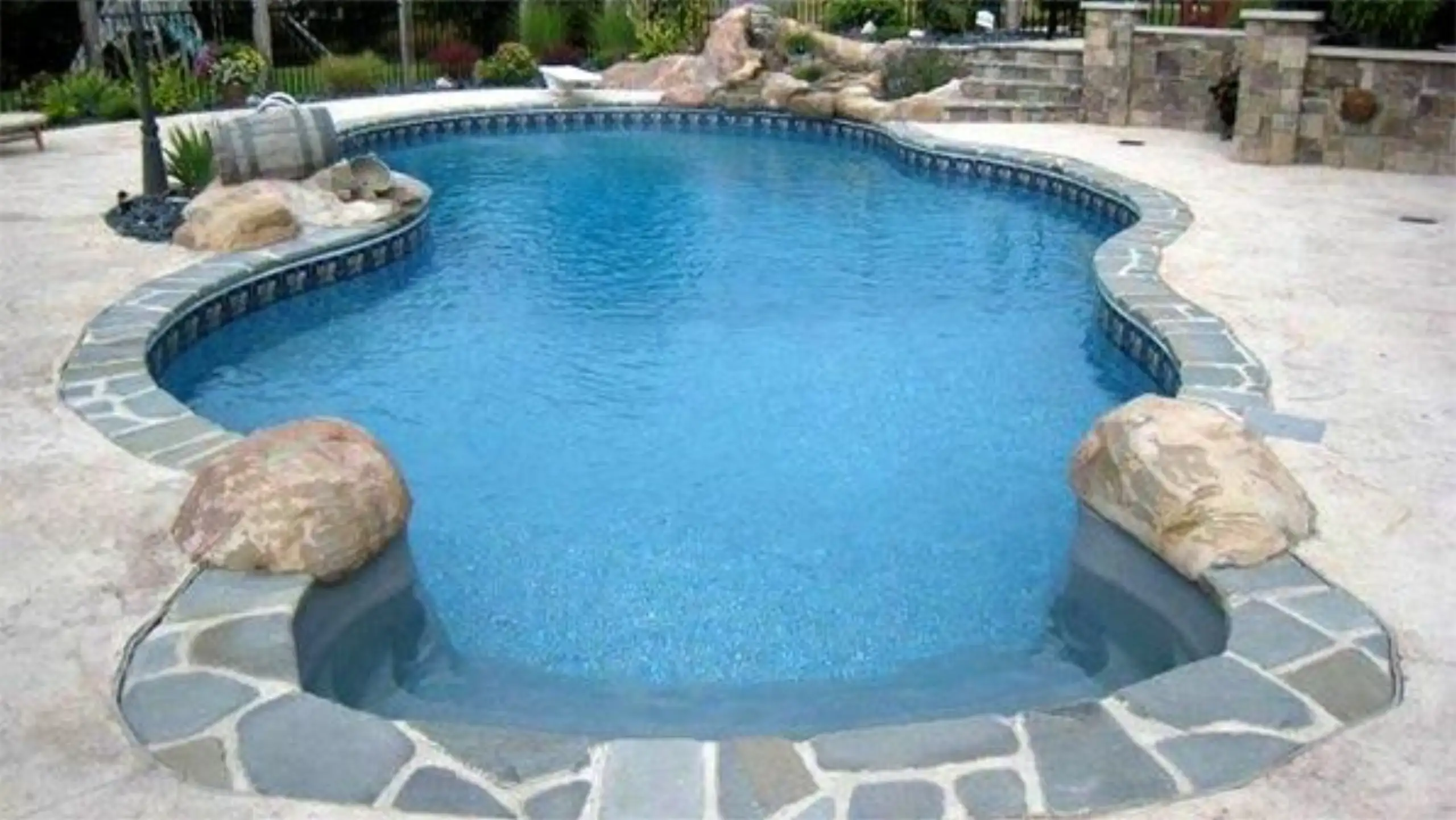
Tumbled Coping
Tumbled bluestone coping has an antiqued, time-worn appearance achieved by tumbling the stone pieces together. It can fit in well with nature-friendly designs. In terms of maintenance, it has its own benefit, aussi – it can hide dirt better. Both finishes can keep and improve the earthy tones and organic textures of bluestone, though.
- The biggest difference between the two is that one gives a more refined appearance - with thermal, while the other provides a more rustic look.
What Are The Best Edge Styles And Drip For Bluestone Coping
We have a huge range of Edge Styles, and you can customize as needed. We’ll include some of our best options for Bluestones here.
Bluestone Bullnose Coping
You get a rounded look that’s also more safe. Its gentle curve removes any sharp corners that could easily chip or break on you. This helps your bluestone coping last longer. Bullnose also works nicely for pool areas – those smooth edges lower the chance of accidental bumps or falls.
Bluestone Drop Face Coping
With the extended drop face look, you have a modern vibe that’s also practical. That recessed part shields the main coping surface from harsh weather better for you. This prevents staining, erosion, and premature wear, so the style can stretch out your bluestone coping’s lifespan.
Top Applications For Bluestone Coping And Decking
Bluestone Coping and Decking, despite offering a limited shade of colors compared to other stones, can be a wonderful choice for many places. Below are some of the common spaces we’ve seen our customers use it for.

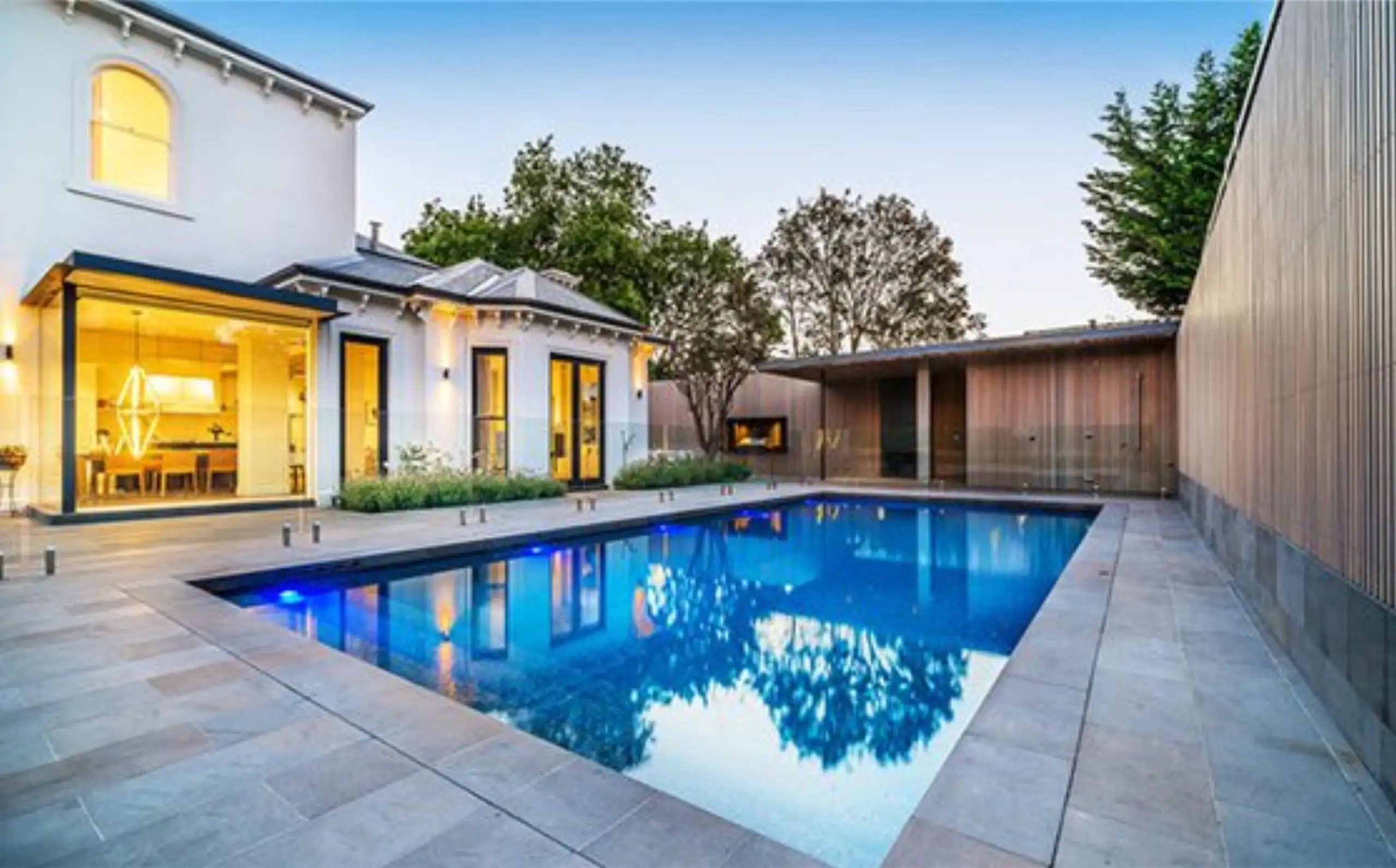
Bluestone Pool Coping
Bluestone’s slip-resistant texture and ability to withstand moisture make it ideal for areas around swimming pools and patios. Its gentle hues can complement the water and create a relaxing feel.
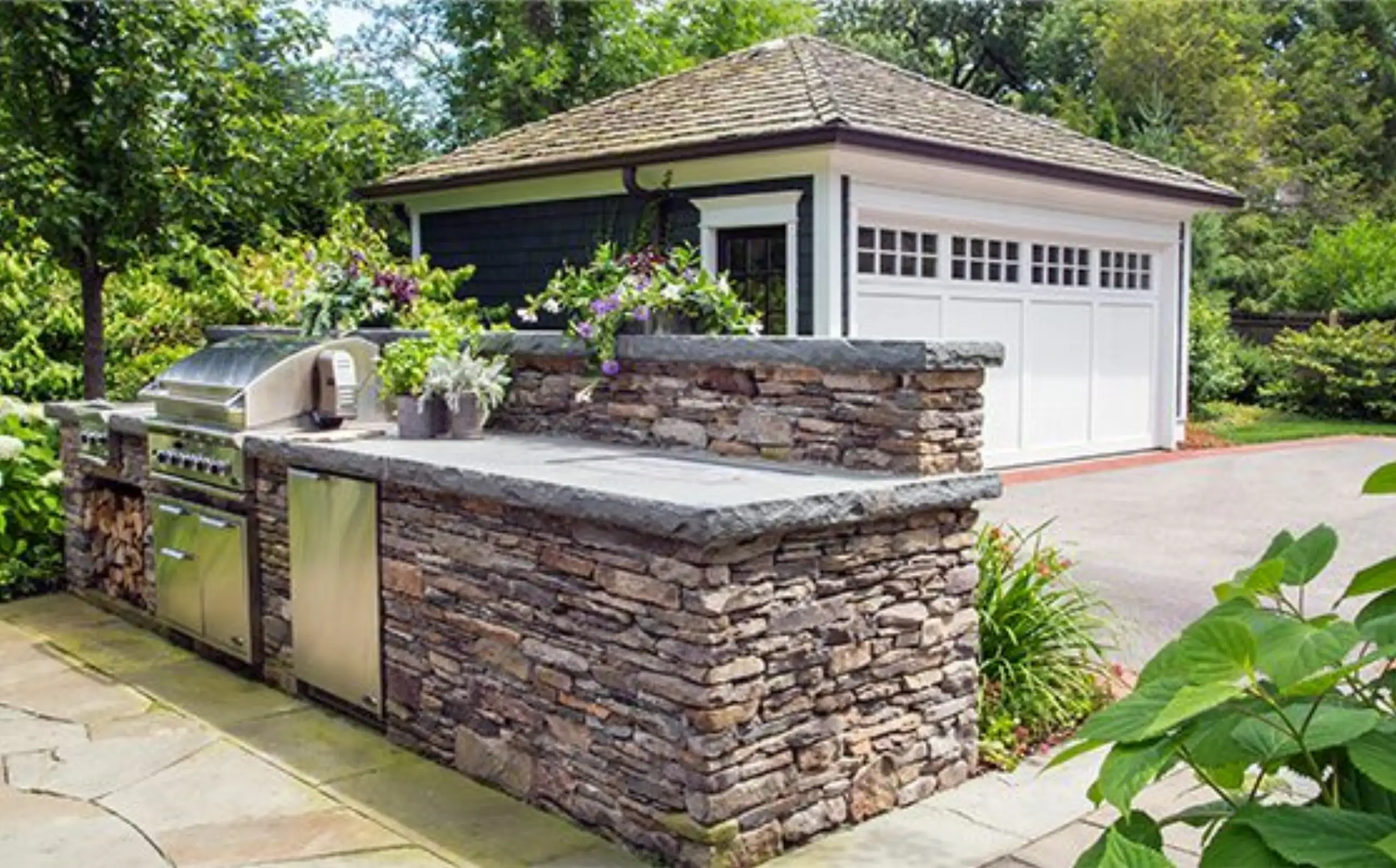
Bluestone Countertop Coping
Want to keep your countertops and grills safe from heat or impact damage? The aspects of Bluestone’s durability fit perfectly for that purpose. As an extra perk, Its natural beauty and unique color variations can add a rustic charm to the space.
Bluestone Fireplace Coping
Bluestone’s heat-resistant properties make it an ideal choice to border fireplaces and hearths. The natural color and texture variations create such an inviting, cozy atmosphere. The blueish hues in such an unusual spot make it stand out a bit, aussi.

Seating Areas and Walkways
For outdoor lounging spots and walkways, bluestone’s ruggedness and organic beauty can’t be beaten. The textured surface ensures safety, while the unique look enhances landscaping.

The Benefit Of Bluestone Coping And Decking
Not sure if you’re really into these gentle colored stones? Here are five benefits you might like.

It’s In For The Long Haul
With expert installation and simple upkeep, bluestone decking can thrive for decades - an amazing long-term investment.

Fits In With Nature
The unique color-blending and textures give bluestone that wonderfully natural, rustic aesthetic to complement any outdoor style.

Low-Maintenance Material
Bluestone just needs some occasional cleaning and resealing to look fantastic and stay protected from stains/moisture.

Slip-Proof
The textured surface means excellent slip resistance, making it ideal for damp, high-traffic outdoor areas.

Flexibilité de conception
Cutting, shaping, finitions - there are tons of ways to customize bluestone to bring your unique vision to life.
Ou appelez-nous: +86 13077409280
Some Potential Concerns About Bluestone
In case you really want it, but are in doubt, we’ll try to address all your worries here. Let’s get going.
1.Are there any specific quarries or regions known for producing high-quality bluestones?
- Sichuan Bluestone Quarry: Located in humid, geologically active Sichuan. Their “Green BlueStone” is a metamorphic bluestone rich in green-tinting chlorite/amphibole minerals. Prized for vivid colors and affinity for being intricately moldable for sculptures and architecture.
- HEPCO Quarries:Their quarries are near the Susquehanna River valley’s humid continental climate. Their bluestone is fine-grained sandstone/siltstone with blue-gray to tan colors from ancient river deposits and iron oxidation.
- Meshoppen Stone, Inc.:A Pennsylvania quarry that benefits from the Appalachian geology and humid continental climate, which are ideal for producing the classic “Pennsylvania Bluestone” sandstone/siltstone. This stone comes in hues ranging from blue-gray to purple-red, based on its mineral makeup and the development of iron oxides over millions of years.
- Johnson Quarries, Inc.:Operates in northeastern Pennsylvania, and their multiple quarries extract the region’s iron-rich bluestone sandstone/siltstone colored varieties. These colors are influenced by the ancient Appalachian mountain belt bedrock and the temperate climate’s oxidation effects.
2.How durable are bluestones for outdoor applications like decks and copings?
Bluestone holds up well for outdoor uses like decks and copings because it’s tough and sturdy. It’s hard, having scored 6 sur l'échelle de Mohs. Donc, it won’t get easily scratched or worn down from regular use. Even having it as part of a deck full of furniture won’t lead to such issues. Plus, it’s dense, at a range of 2.5 à 2.8 g/cm³, meaning it can handle a lot of weight and won’t crack easily. Bluestone is porous, which may lead to more water absorption – while that isn’t the best thing in some cases, it can also end up being good for more convenience during rain. Avec une bonne étanchéité, the deck won’t take in too much water, and any that manages to seep in can help lower risks of slip hazards. Its texture also provides an advantage, as it can maintain a good grip even when wet. Cependant, bluestone’s durability is not without its weaknesses; it can be brittle under heavy impact, so the chances of cracks are still there. Aussi, if it’s in the sun a lot, some types can lose their color over time. Donc, while bluestone is a solid choice for outdoor areas, it needs some maintenance to keep it in top shape.
3.What finishes work best with bluestone coping?
Here are 5 finishes that might complement bluestone coping:
Bluestone Honed Finish
Shows off bluestone’s natural colors with a smooth, matte surface that’s easy to walk on. Perfect for highlighting the stone’s beauty without sacrificing safety.
Bluestone Brushed Finish
Adds a light texture to bluestone, enhancing its natural look and making it less slippery. Ideal for walkways and patios where you want both style and safety.
Bluestone Thermal/Flamed Finish
Heats bluestone to create a rough, textured surface that complements the stone’s strength and provides excellent grip. Perfect for high-traffic pool areas where safety is a must.
Bluestone Sandblasted Finish
Gives bluestone a unique look with a light texture and a slightly cloudy finish. Doesn’t hide the stone’s natural beauty and offers good slip resistance.
Bluestone Tumbled Finish
Softens bluestone’s edges for a smooth, aged look that complements the stone’s natural color variations. Great for achieving a classic, timeless aesthetic.
4.Bluestone coping vs granite coping - which one might work better for me?
These stones have a night and day difference, though they’re both equally good. Here’s the breakdown.
Feature | Couronnement en pierre bleue | |
Matériel | A dense, fine-grained sedimentary rock formed from compacted sand and silt, giving it a layered appearance. | An extremely hard, crystalline igneous rock formed from cooled magma, composed primarily of quartz, feldspath, and mica minerals. |
Color Range | Limited to shades of blue-gray, ranging from light bluish-gray to deep charcoal. The color comes from the presence of sodium feldspar minerals. | Vast color range from light to dark shades, including grays, pinks, reds, blacks, whites, and various combinations, based on the mineral composition and impurities present. |
Texture | Lisse, fine-grained surface with a consistent, uniform appearance. | Coarse-grained, speckled texture due to the visible mineral crystals. Each slab has a unique appearance. |
Durabilité | Decently durable and resistant to weathering, but can be prone to cracking, chipping, or spalling if not properly installed or maintained. Susceptible to damage from salt, produits chimiques, and freeze-thaw cycles. | Exceptionally durable and resistant to weathering, rayures, et les taches. One of the hardest and most durable natural stones available. |
Entretien | Requires regular sealing (every 1-2 années) to protect against stains, moisture absorption, and freeze-thaw damage. Susceptible to discoloration if not sealed properly. | Peu maintenance, does not require sealing as frequently as bluestone (every 3-5 années). More resistant to stains and moisture absorption. |
Coût | Generally less expensive than granite, with prices ranging from $10 à $50 par pied carré, depending on quality and thickness. | More expensive than bluestone, with prices ranging from $40 à $200 par pied carré, depending on the type, qualité, and rarity of the granite. |
Applications | Commonly used for pool coping, paving stones, walkways, mesures, and various landscaping features. Also used for interior flooring and wall cladding. | Widely used for countertops, sol, pool coping, outdoor kitchens, cheminées, and other interior and exterior applications. Also better for decks since it can handle object weight with less chances of wearing. |
Installation | Requires proper installation techniques, including a solid base and appropriate bedding materials, to prevent cracking or settling. | Installation methods vary based on application, but proper support and bedding materials are still needed to prevent cracking or chipping. |
5.What is the bluestone pool coping price? How much would bluestone coping cost for an average-sized pool?
The average in-ground swimming pool in the USA falls between 400 et 800 square feet, with a typical rectangular shape that’s twice as long as it is wide. This translates to a backyard that’s ideally sized between 1200 et 3200 square feet, assuming the pool takes up roughly a third of the total area. As for the bluestone coping cost, that would depend on the size and complexity of your pool, but here’s a general idea:
Bluestone coping typically ranges from $20 à $50 par mètre carré, which translates to $2 à $5 per square foot for the stone itself. The final cost will depend on the amount you need and the complexity of your pool’s curves.
Maintenant, as for measurement, you can simply multiply the length by the width to get the pool’s area in square feet. You need to take the curves into account as well, though. Your price might go up or stay down based on how pronounced they are.
You can do basic measurements in the following way.
- Rectangular or Simple L-Shaped Pools
- Measure the lengths of the straight sections (length and width).
- For gentle curves with individual coping stones, measure the widest part of the inside curve. This gives you the average length each coping stone needs to follow the bend.
- Complex Shapes or Pools with Rounded Ends
- Measure the entire pool edge, following all curves and indentations. This gives you the total coping length needed.
A Tip for All Pool Shapes: Always add 10% to your final footage to account for cutting waste and the coping overhang.
6.Are bluestones a porous material that can absorb water and stains?
Bluestone’s porosity is a double-edged sword. It acts like a natural sponge in some ways. It’s great at soaking up rainwater, which is fantastic for areas with a lot of rain. The downside is that it can also soak up spills and stains. The amount of water it absorbs depends on the specific type of bluestone you choose. Par exemple, bluestone from Pennsylvania is known to be denser and soak up less water than some other varieties. Here’s the catch with stains – because bluestone is so absorbent, it can get easily marked, especially from oily spills like barbecue grease. To fight stains, sealing the bluestone with a special stone sealer is a must-have. This invisible coat helps prevent liquids from soaking in and makes cleaning up spills a breeze. Depending on how often you use your deck and the climate you live in, you’ll probably need to reapply the sealer every few years to keep your bluestone looking its best and prevent permanent stains.
7.How difficult is it to cut and shape bluestones for custom deck designs?
Cutting and shaping bluestone for a custom deck design requires a significant step up in effort compared to working with wood. Since it’s a natural stone, how hard it is to cut depends on where it came from in the ground and what minerals are in it. En général, it’s much tougher than wood, so you’ll need special tools like saws with water jets or stone chisels to cut it. Trying to cut it dry is a no-go, as it can crack the stone. For fancy shapes and intricate designs, it’s best to call in a professional stone mason. They’ve got years of experience working with bluestone and have the right tools and techniques to create your dream design without damaging the stone.
8.How does the weight of bluestone compare to other decking materials?
The weight of bluestone is a vital factor to consider during the planning stages of your deck project. And it’s something important to remember, aussi – because bluestone is heavy. A single square foot of bluestone can easily weigh 40 à 50 livres sterling. This means a bluestone deck is going to be much heavier overall compared to a traditional wooden deck. The foundation that supports your bluestone deck needs to be built extra strong to handle all that weight. This might involve using thicker beams, adding more supports underneath, or even consulting with a structural engineer for complex designs. The goal is to make sure your new deck is safe and solid for years to come.
9.How does the color of bluestone change or weather over time?
Bluestone naturally changes color over time, and some people really like the way it ages. That beautiful blue-gray hue can soften and develop a more muted, weathered look, giving your deck a timeless feel. Sun and rain can also bring out the natural variations in the stone, making some areas lighter or darker. These variations add to the unique character of a bluestone deck. While regular cleaning and sealing can slow down this natural color change and keep your deck looking more uniform for a while, some color variation is to be expected and can even be appreciated for its natural, aged beauty. If you absolutely must have a uniform look for a longer period, there are special sealers with a slight tint available. But remember, even with sealing, some natural color variation will eventually happen.
10.Can bluestone decking be used for commercial or high-traffic applications?
Bluestone decking is gorgeous, there’s no doubt about it. Cependant, its usefulness varies if you’re trying to set it up in high-traffic areas like stores, restaurants or commercial pools. Here are things to consider.
- Surface Texture:Bluestone’s natural, bumpy surface (called cleft) provides great grip when it’s dry. But those same bumps can be uneven and slippery, especially over time. It’s most pronounced when wet. Think about everyone’s comfort first – if lots of people will be walking on it, especially older folks or kids, you might want to consider a different material.
- Amount Of Activity In the Space: For places with less foot traffic, like a small boutique or a restaurant patio with spaced-out seating, a smoother bluestone (honed finish) could work. But remember, even honed stone can get slippery when wet. To keep everyone safe in more exposed applications like patios, you’ll probably need good drainage to prevent puddles and maybe even a special coating to add extra grip.
- General Stress The Flooring Of The Space Goes Through: For super busy areas, other materials like granite or concrete pavers might be a better bet. These stones tend to be smoother and naturally less slippery, making them ideal for places with constant movement and potential spills.
11.What is the expected lifespan or longevity of a properly installed bluestone deck?
The good news is, a well-built bluestone deck can last for ages – we’re talking 30 to even 100 années! Here’s what contributes to a bluestone deck’s impressive longevity:
- Tough by Nature:Bluestone is a naturally strong rock, not easily cracked, chipped, or bothered by harsh weather like freezing winters or scorching summers.
- Prompt Seal Application: To keep your bluestone deck looking its best for as long as possible, you’ll need to seal it regularly. Sealing creates a protective layer that stops water from seeping in and causing cracks or flaking (when bits of the stone break off). How often you need to seal depends on the weather and how you use your deck, but generally doing so every year or two is a good rule of thumb.
- Having A Good Foundation:Just like a sturdy house needs a solid foundation, so does your bluestone deck. This means building a strong base layer to spread out the weight and stop the deck from settling unevenly. Good drainage is also important to prevent water from pooling, which can stain and weaken the stone.
12.Can bluestone decking be heated or used with radiant heat systems
Love the idea of a warm and inviting outdoor space in the colder months? Bluestone can actually be used well with radiant heat systems! But there are a few things to keep in mind:
- Heat Spreads Unevenly:Pierre naturelle, including bluestone, doesn’t spread heat evenly. To avoid hot spots and ensure everything heats up nicely, talk to a professional installer. They can design and install a radiant heat system that works specifically with bluestone.
- Special Mat Needed:Regular radiant heat mats might not be the answer. You’ll likely need special mats designed for natural stone applications. These mats often use thicker wires to handle the higher temperatures needed to heat stone effectively.
- Spacing Matters: The space between the bluestone pieces also affects how the heat spreads. The installer will consider the specific heating system and your bluestone to figure out the perfect spacing for good heat flow without compromising the strength of your deck.
13.What are the typical sizes and thickness available for precut bluestone deck tiles or pavers?
Pre-cut bluestone deck tiles come in a variety of sizes and thicknesses to match your design and project needs.
The size options range from small squares around 12″ x 12″ perfect for creating unique patterns, all the way up to large slabs reaching 24″ x 24″ for a more streamlined look. Consider the overall size of your deck and the desired look when choosing the size of your bluestone tiles.
As for thickness- for decks, a common thickness is 1 ½ inches, which offers a good balance between strength and a nice visual profile. For heavy-duty applications or areas that get really cold in the winter, thicker options up to 2 inches are available.
14.What patterns or designs work well with bluestone decking?
Bluestone has decent moldability, so it’d be a mistake not to make use of that – you can go quite loose on how you want your deck to look. Here are a couple of patterns you can try.
- Classic Running Bond: This timeless pattern features rectangular bluestone slabs laid in a staggered formation, like bricks in a wall. Each row shifts halfway compared to the one below, creating a continuous line that makes smaller decks feel larger.
- Basketweave: This one’s like a checkerboard, but instead of squares, there are squares and rectangles of various sizes, all made from bluestone. These elements interlace in a grid-like fashion, forming a visually engaging surface with a woven appearance, similar to a basket.
- Herringbone: Ici, the rectangular bluestone slabs are laid at 45-degree angles, forming a continuous series of interlocking chevrons. Instead of straight rows, visualize a distinct V-shaped pattern that repeats across the deck surface, adding a dynamic and angled element.
- Circular or Curvilinear Patterns: This approach allows for the incorporation of curved bluestone pieces. Instead of straight lines, imagine pathways that gently bend and wind around your deck, or even custom medallions embedded within the surface. These curved elements add a touch of whimsy and break up the monotony of straight lines, making your deck look far more visually interesting.
15.Why import bluestone coping and decking from China?
China can be a top pick for getting bluestone coping and decking for a few reasons:
- Abundance of Bluestone:China has a whole bunch of bluestone, which is a kind of rock that’s been changed by heat and pressure over time. This means there’s plenty available and it might be cheaper to buy from them.
- Established Stone Industry:China has a long history of quarrying and processing stone, with a well-developed stone industry. This translates to a large pool of skilled workers and manufacturers familiar with handling and processing bluestones for various applications.
- Production Capacity:Factories in China are really good at churning out big amounts of products, so if you need a lot of bluestone coping and decking, they can handle it easily.
- Cheaper Prices:Because labor costs can be lower in China, the price tag for the finished product might be more affordable. But remember to consider how much it will cost to ship it to you and any import taxes that might apply.
Here is a guide: Conseils d'initiés sur l'importation de matériaux de construction en pierre en provenance de Chine | Guide du débutant


Obtenez un échantillon gratuit avec des conseils de conception & Devis – Veuillez remplir le formulaire ou nous envoyer un courriel.