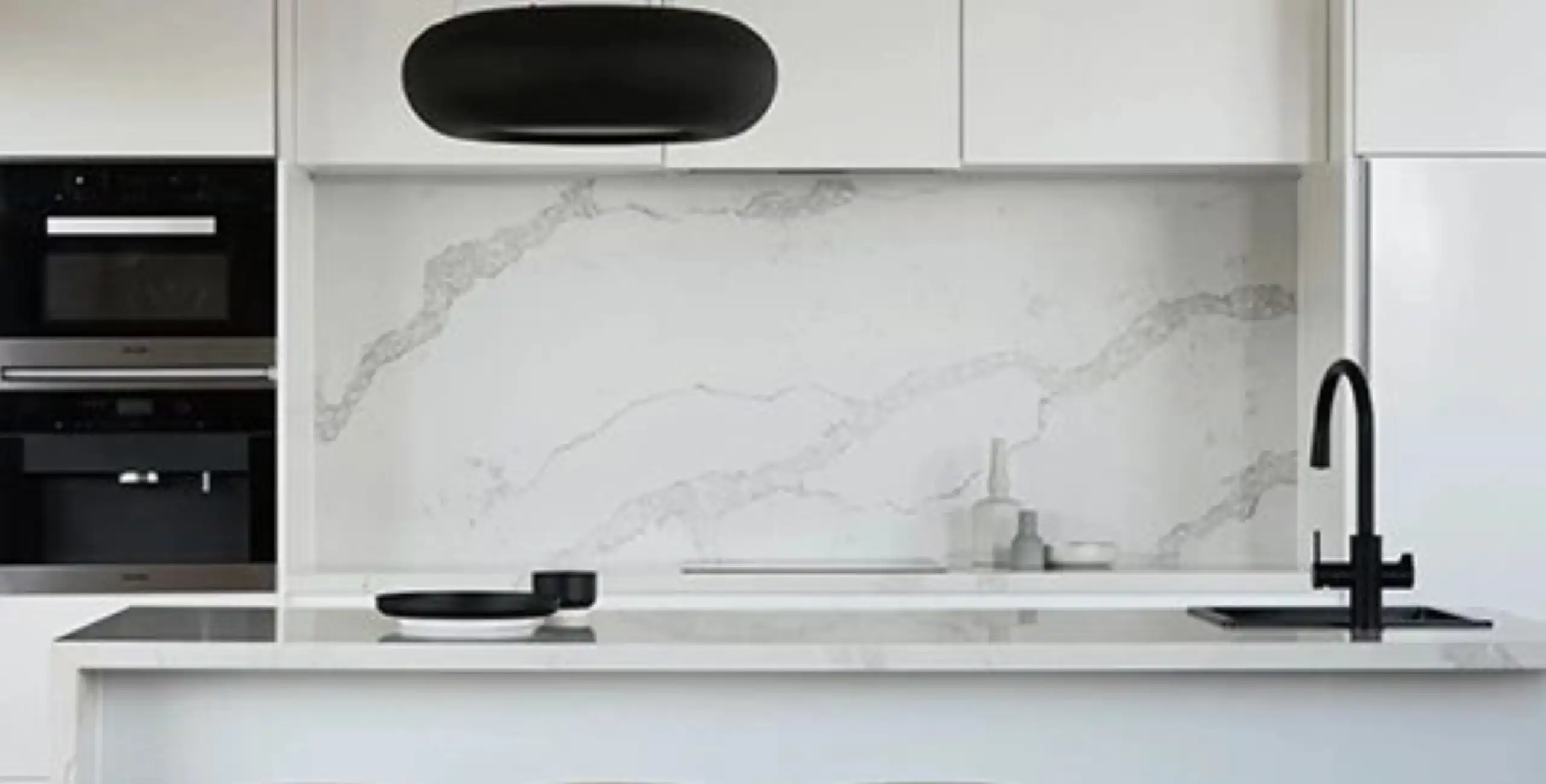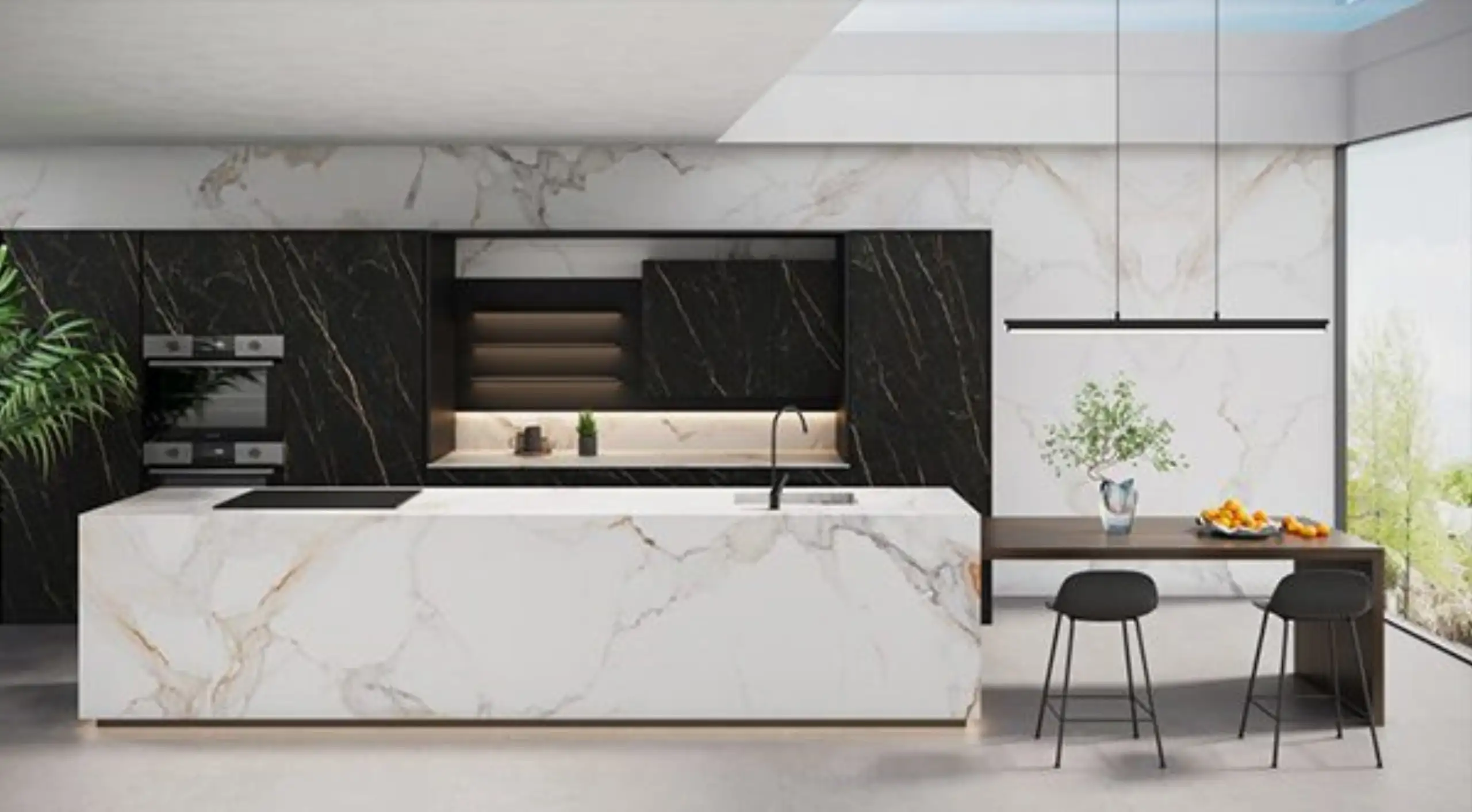
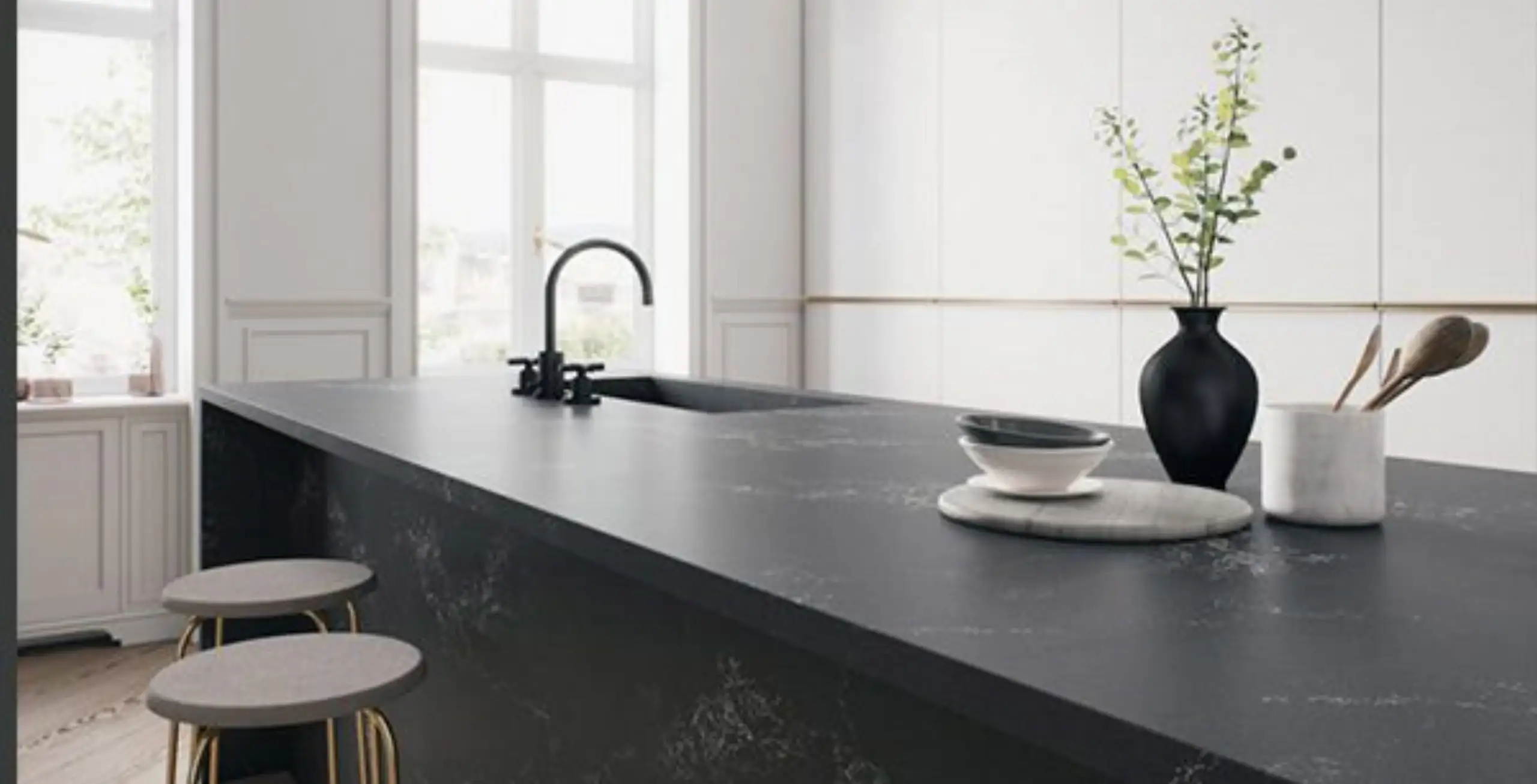
Transform your space with George Stone’s artificial stone solutions.
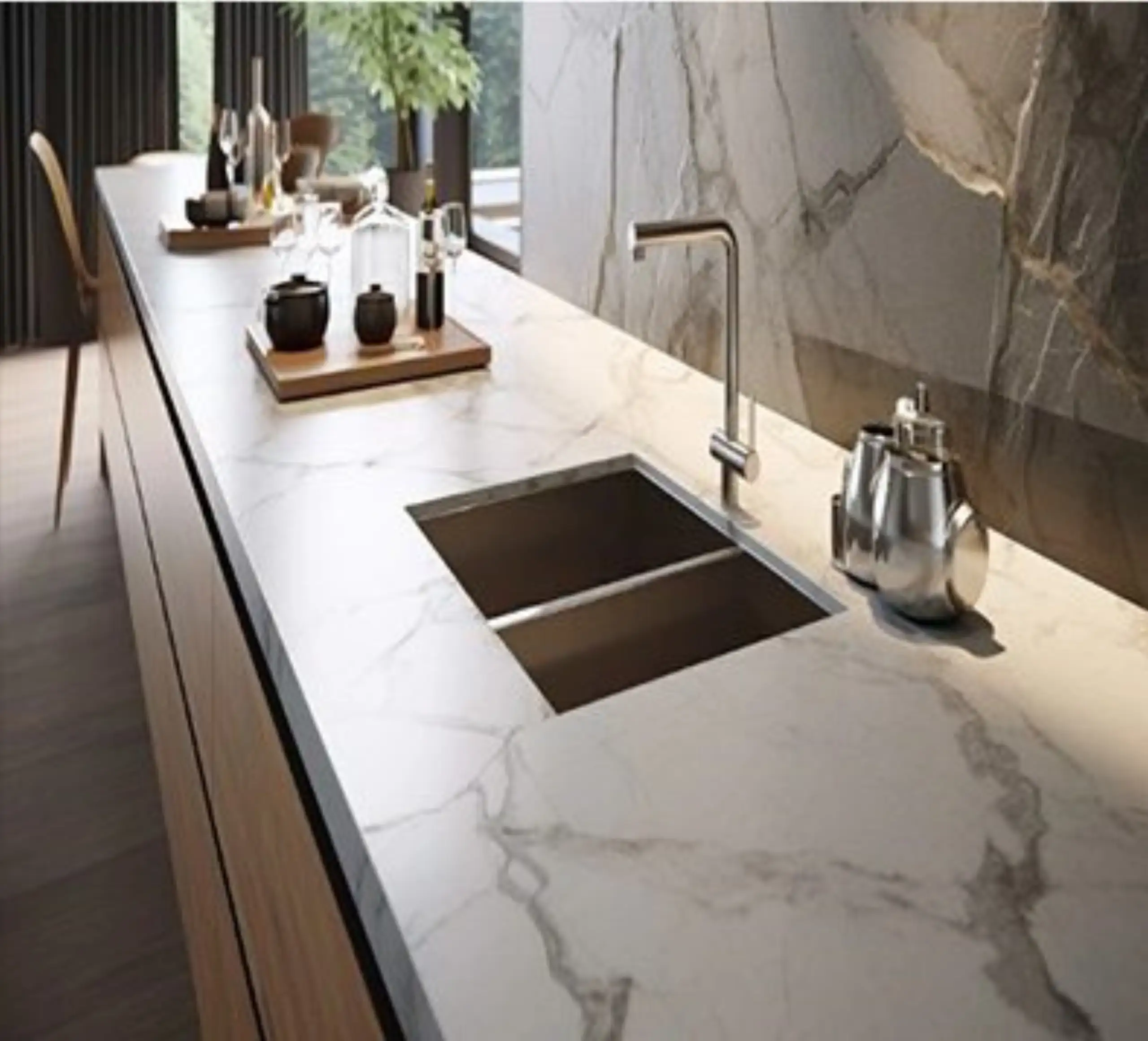
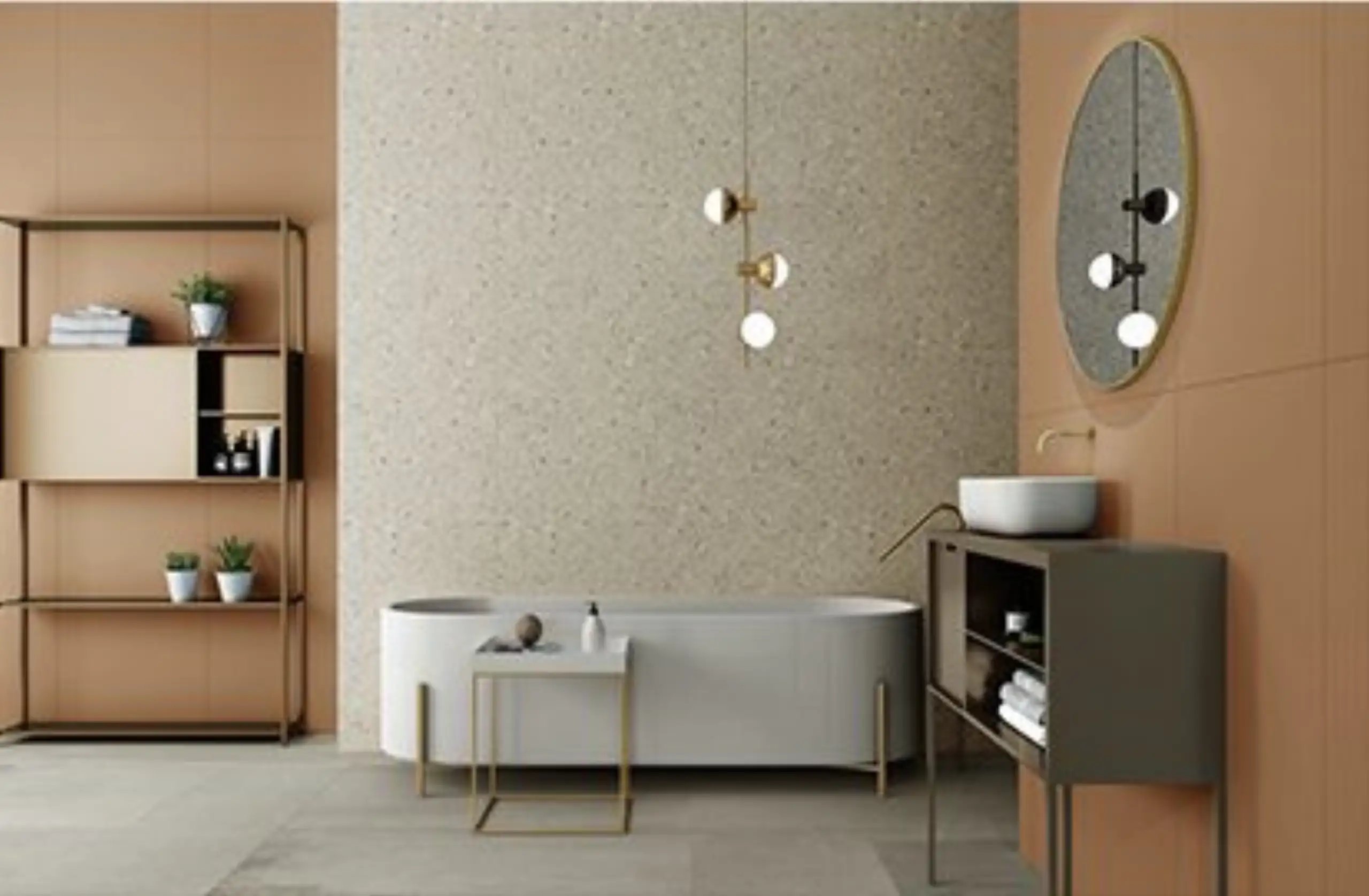
Engineered artificial stone is an innovative and versatile stone used in different construction projects. It is a blend of pigments, resins, and natural stone aggregates. Perfect for your kitchen worktop and bathroom vanity.


This stone offers aesthetic appeal, consistency, and durability. The unique benefit of engineered artificial stone is that it combines the beauty of natural stone with excellent performance. This stone performs really well in terms of flexibility, maintenance, and stain resistance. When it comes to applications, you can find it in decorative elements, flooring, and countertops. Let’s explore more about it.


Artificial Engineered Stone Slab Colors & Types
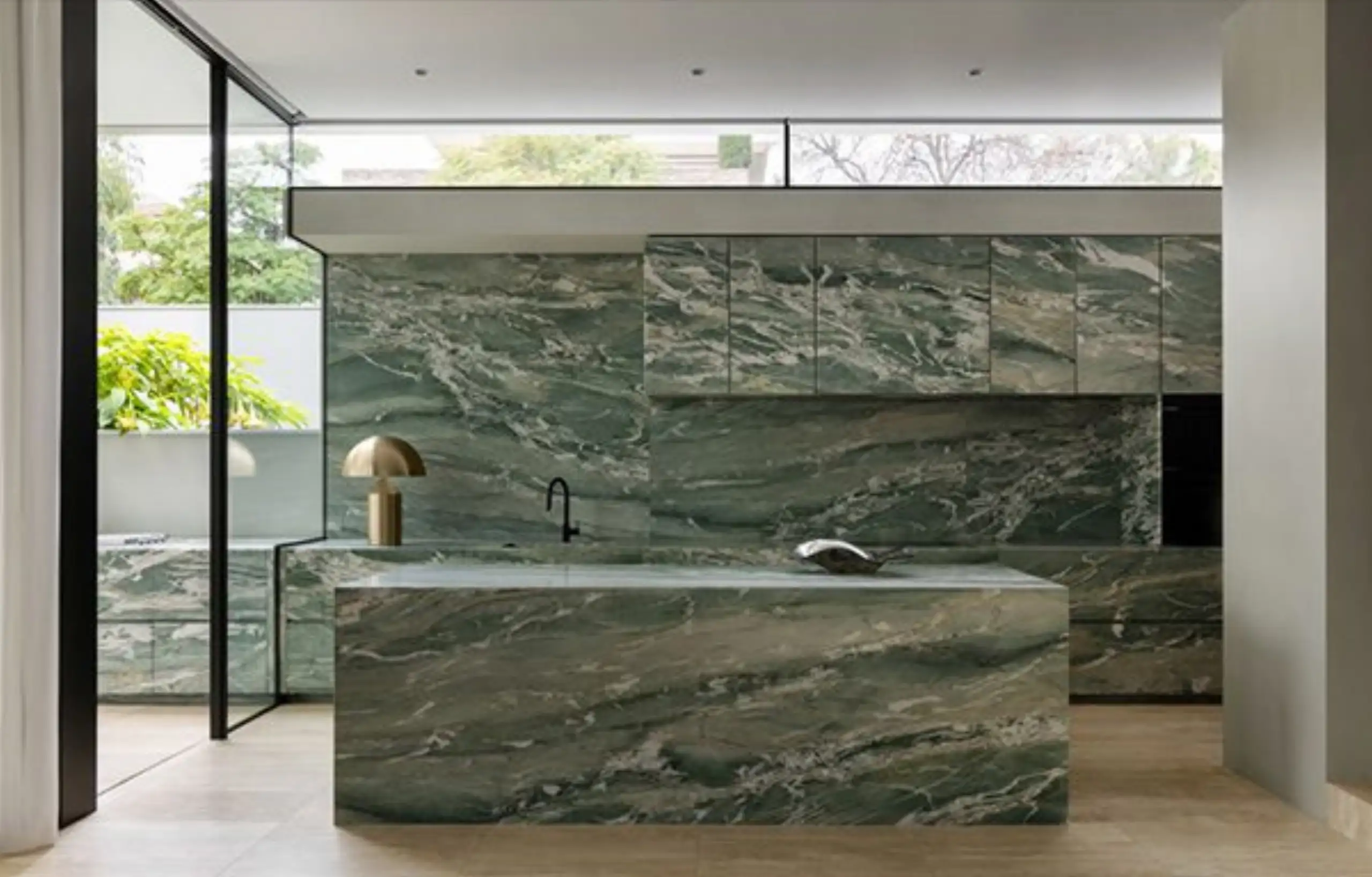
George Stone is your one-stop shop for the wholesale supply of exclusive Green Quartzite directly from China!
The artificial onyx has a greater resemblance to the beauty of the natural onyx. You can figure it through the intricate veining and vibrant colors. This artificially engineered stone is mostly used in luxurious design elements and backlit applications.
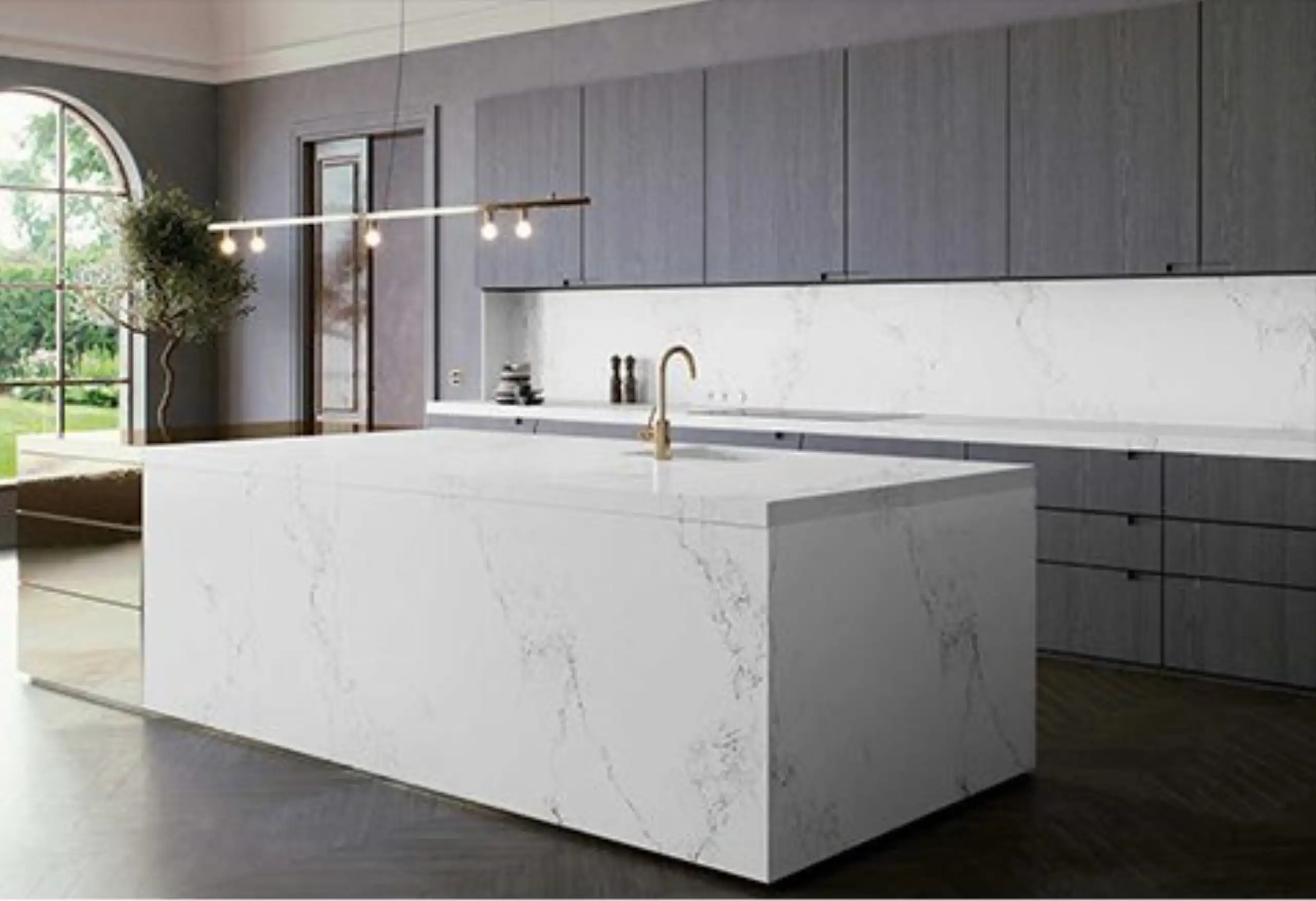
If you are looking to achieve a sleek and clean look, you must check out white engineered stone. This stone offers a unique benefit of versatility and timeless beauty. You can apply it in modern interiors to enhance space and brightness.
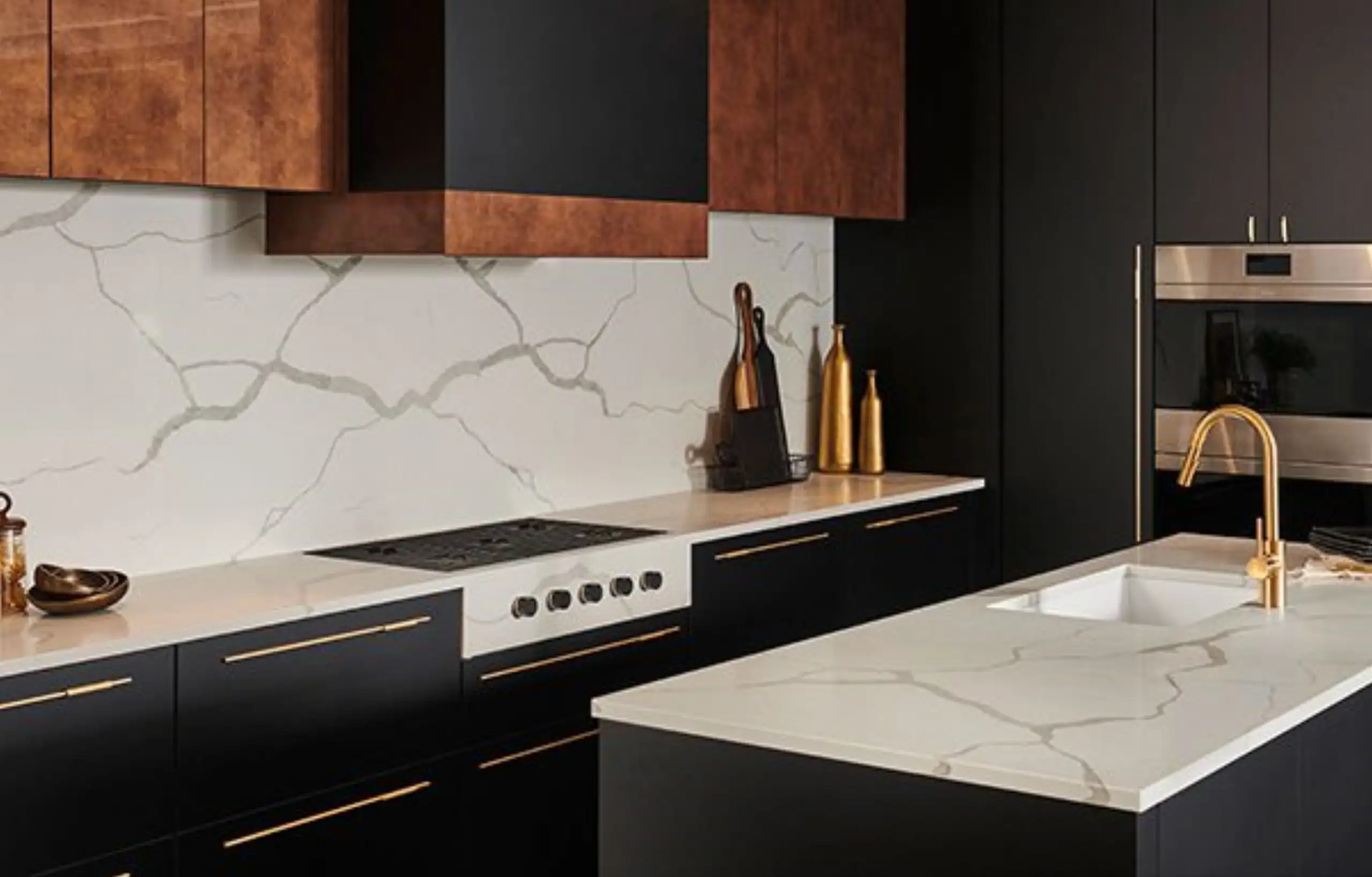
This engineered stone resembles marble. It has a white background with dramatic veining and delivers sophistication and elegance.
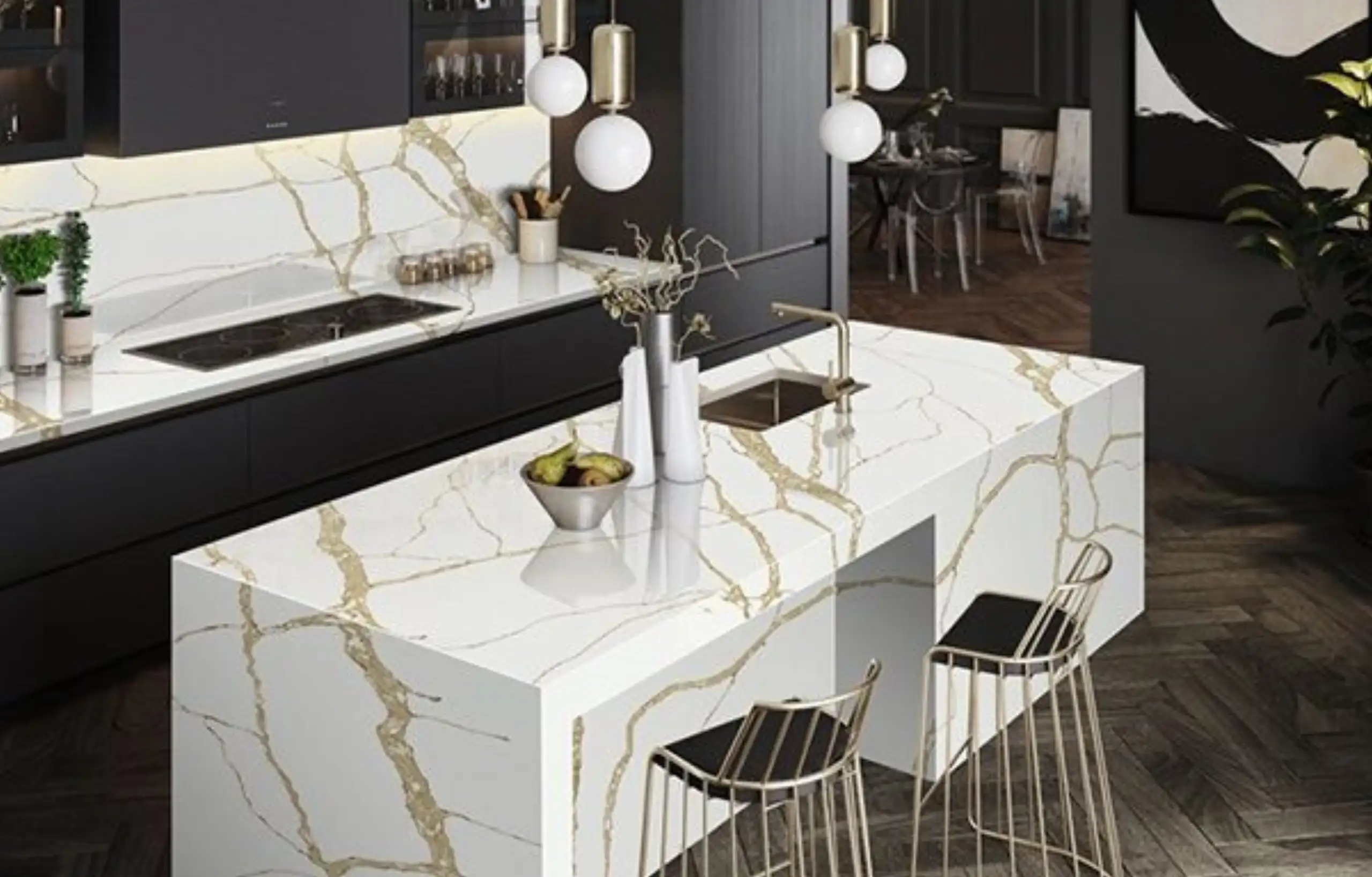
If you want to achieve a luxurious gold veining, you should check out Calacatta gold engineered stone. This type of stone is suitable for decorative surfaces and high-end countertops.
This type of artificially engineered stone helps us replicate the refined natural veining pattern of Carrara marble. Besides, it helps us achieve an elegant and classic appearance for various applications.
Grey-engineered stone helps us achieve consistent coloring through a neutral palette. The amazing part is that the stone helps us achieve a modern design. According to the construction designers, this stone is suitable for contemporary designs seeking understated elegance.
This stone helps us achieve a bold and sleek look within a space. You can create modern aesthetics using this black engineered stone.
If you want to achieve an ideal, vibrant, and unique touch, you must consider this stone. The green-engineered stone is ideal for creating eye-catching designs.
Benefits of Artificial Engineered Stone
Here are the benefits of artificial engineered stone:


Eco-friendly


Higher durability


Eco-friendly


Hygienic


Better consistency


Aesthetic versatility


Flexibility

Artificial Engineered Stone Applications


Kitchen Countertop


Worktop


Window Sill


Dining Table


Backsplash/Side Splash


Steps


Bathtub


Wall Tile/Shower Wall


Threshold


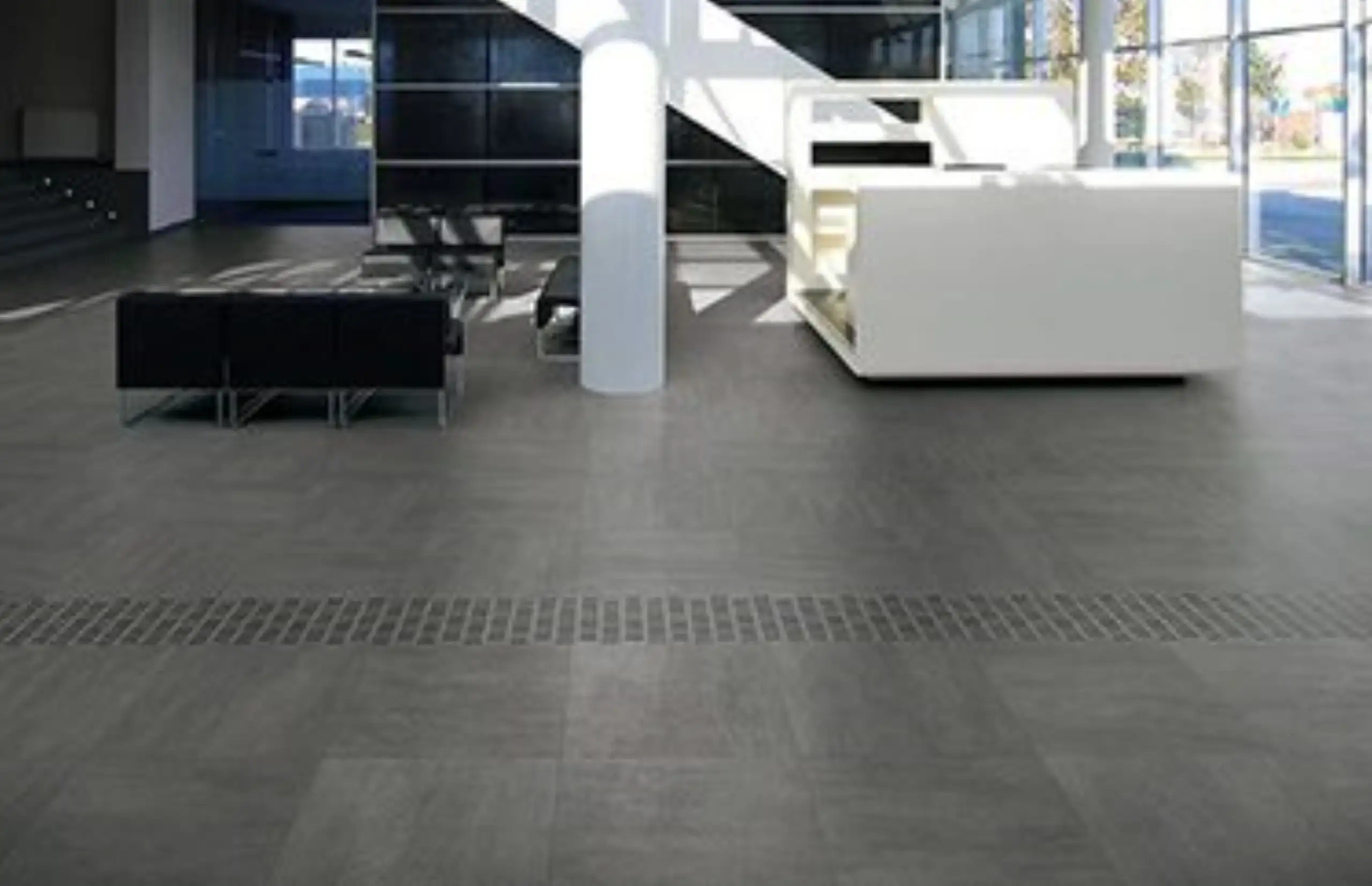
Flooring


Vanity Top


Benchtop
Why Choose Our George Engineered Stone?
Here are the reasons to choose the George-engineered stone:
- 5300 happy clients
- More than 30 years of experience
- Detailed installation guides
- Customizable solutions
- 3D designs using 3DMax and AutoCAD.
- All kinds of stones and structures
- Excellent quality control
- Customers from 128 countries


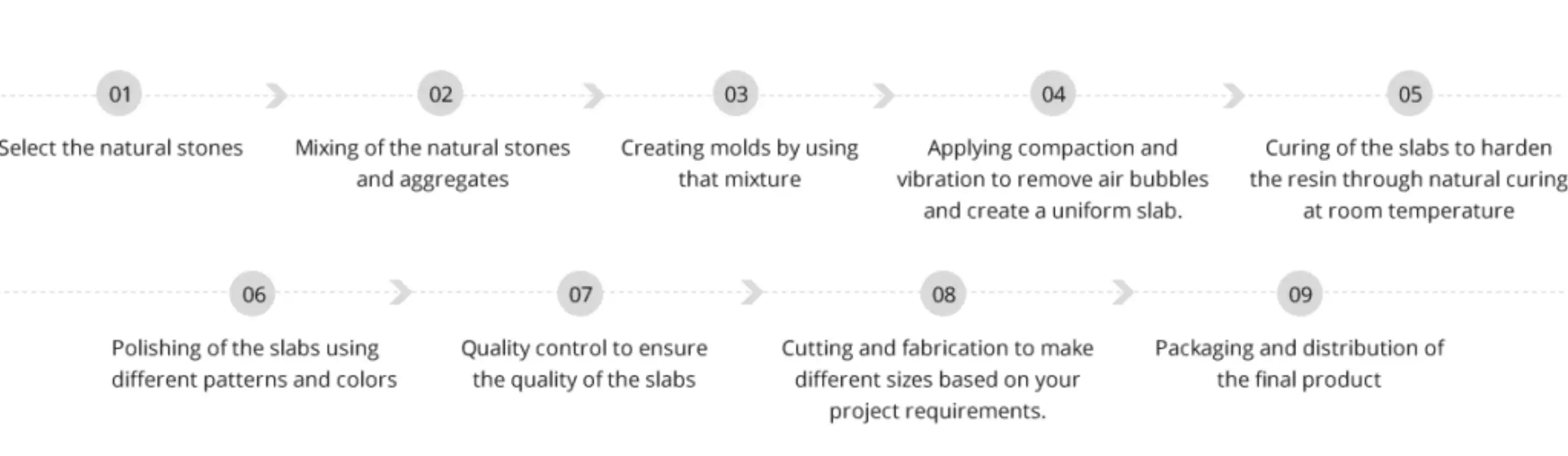
Engineered Stone Manufacturing Process


Or Call us: +86 13077409280
An Ultimate FAQs Guide to the Engineered Artificial Stone
Green quartzite is a renowned metamorphic rock stone. It is known for its vibrant green shade, hardness, and versatility. All over the world, it is used for making countertops, slabs, backsplashes, wall cladding, and more. If you want to buy green quartzite, go through this comprehensive guide. It addresses all your basic queries about this rock stone. Whether you want to learn about its origin, applications, or price, it covers everything. Let’s get started.
1.What Is Engineered Stone Material Composite, and Is It Safe?
Engineered stone is made up of crushed natural stones bound by polymer resin. Quartz is the most common type of engineered stone material. 90% of engineered stone is natural; the rest is pigments and resins that bind and color the material. These stones have an aesthetically appealing surface and are highly durable. They look like natural stones like granite or marble. The safety of workers is essential when fabrication is being done. Exposure to crystalline silica dust, released when the material is polished, ground, or cut, can cause serious health problems. Inhalation of crystalline silica dust can cause lung cancer, silicosis, and other respiratory diseases. So, proper safety measures, such as adequate ventilation, cutting techniques, and personal protective equipment (PPE), are essential. Engineered stone is safe to use in homes and commercial settings. Due to its non-porous ability, it is a hygienic choice for bathroom vanities and kitchen countertops. Non-porous stones resist bacteria and staining, making them perfect for homes. Reputable manufacturers ensure that their materials comply with health and safety regulations.
2.Is Engineered Stone Durable and Heat Resistant?
Engineered stone is one of the most complex materials, mainly natural quartz. It is highly durable and is primarily used in frequently used places, such as bathroom vanities and kitchen countertops. Engineered stones resist cracks and scratches better than many natural stones.
Engineered stone has a low porosity. Therefore, this material does not stain easily. Liquids like coffee, wine, and oil cannot soak into it. Engineered stone is also easy to clean and looks new when cleaned properly.
These stones have some limits when it comes to heat resistance. Extreme heat can damage the resin that holds the stone particles together. Putting a hot pan on the surface of the engineered stone can discolor or crack it. Always use hot pads or trivets to protect your surface.
3.How Do You Polish the Engineered Stone Edges and Surface?
When polished, engineered stone looks more attractive, giving it a shining and smooth finish. The process is similar and straightforward when polishing surfaces or edges.
Surface Polishing
- Clean the surface thoroughly. To remove dust or dirt, use mild soap with water, let it dry, and then begin polishing.
- Sandpaper smooths the surface. First, use sandpaper with a rougher grit, for instance, 100 to 200, and then use finer grit sandpaper, 400, 800, and finally 1500. Use sandpaper in a circular motion to ensure the whole surface is smooth evenly.
- A small amount of polishing compound on the material surface is best. Spread the compound evenly using a soft buffing pad. Polish it in a circular motion to cover the whole area.
- Buff the surface with a clean buffing pad or soft cloth. After polishing the compound, buff it until the Engineered stone shines. To get the best shine, repeat this step.
Edge polishing
- Using a diamond grinding wheel to shape the edges. Edges should be shaped according to your requirements, whether a rounded bullnose edge, a simple straight edge, or something more decorative.
- To even out the surface, use sandpaper. Until it’s smooth, start with coarse sandpaper and go to sandpaper with finer grits.
- Use the polishing compound with a polishing pad to spread evenly along the edges on your edge surfaces.
- After polishing the compound, buff it with a clean buffing pad or soft cloth. Repeat this process until it is shiny and smooth.
4.How to Clean and Care for Engineered Stone Benchtops?
Engineered stone benchtops are very easy to clean and care for, which helps to elongate their beauty. Below are some tips for cleaning and caring for your stone.
Daily, clean your stone surface with a sponge or soft with warm soapy water. It is best to wipe your stone as soon as possible to avoid dirt or grime accumulation.
After cleaning your engineered stone, rinse the surface with clean water and then dry it with a cloth. This prevents streaks and water spots.
Immediately wipe any spills if they occur to prevent staining. The non-porous quality of engineered stone does not allow its surface to be stained. Keeping spills on stone for a long time will make cleaning easier.
Use a non-abrasive cleaner if a more challenging stain occurs. Apply it to the spill for a few minutes, then scrub it with a sponge or soft cloth.
Stay careful of abrasive, bleach, and harsh cleaning agents as they can harm the surface of your engineered stones. Apply PH-neutral cleansers to the surface.
Stay away from dragging heavy or sharp objects on engineered artificial stone surfaces. Make frequent use of cutting boards to avoid scratches.
To avoid thermal shock and cracking, use heat pads or trivets beneath hot pans and pots.
Most engineered stone does not require sealing, so following the manufacturer’s recommendations is better. If sealing is needed, follow the instructions carefully and use products made for the required stone.
Use a polish that experts or manufacturers recommend. Polish can restore your engineered stone shine.
5.How to Cut Engineered Stone Countertops for My Size?
You must cut your engineered stone countertops to fit your specific size. Use the right tools to cut your Engineered stone with high precision. Below is a step-by-step guide on how to cut engineered stone countertops.
- Use a tape measure to measure the exact area where the countertop will be installed.
- Making a countertop template using plywood or cardboard is excellent practice. This helps you make precise cuts of your engineered artificial stone.
- Use a wet saw with a diamond blade to cut your engineered artificial stone. This blade ensures a clean cut, while the damp feature keeps the blade tool clean and reduces dust.
- Wear gloves, goggles, and a dust mask to avoid debris and dust.
- Place your wooden template on your stone slab and mark these cutting lines with chalk or pencil.
- Place your slab on a stable work surface. Set up your wet according to the experts’ or manufacturer’s instructions.
- Slowly and carefully guide the wet saw along marked lines. Your saw will do only some work, so don’t force it into the stone. This reduces the risk of chipping and ensures a smooth cut.
- After you have cut your engineered stone, Use a diamond polishing pad to smooth your stone edges. This gives a professional finish.
- Use your cut countertop in the installation area to check the fit. Make adjustments if needed.
If it is fitted perfectly, place it in your installation area using an adhesive suitable for stone.
6.How to Seal Engineered Stone Vanity Top?
Sealing is essential for your engineered stone, enhancing its longevity and stain resistance. Below is a step-by-step on how to apply your engineered artificial sonar
Clean the surface of your engineered stone using water and mild soap. First, remove any grease or residue, and then let it dry.
Use a sealer that manufacturers or experts recommend For your engineered stone.
Read the sealer’s instructions carefully. Every sealer has different drying times or specific application methods.
Pour sealer on your stone, then spread it evenly with a soft cloth. Ensure your seal has covered all the area of your stone, including corners and edges.
Let your sealer soak in your stone; usually, it takes 10 to 15 minutes.
After your sealer has been soaked in your engineered stone, wipe off the excess sealer using a soft, clean cloth. An excess sealer can cause a hazy finish on your engineered artificial stone.
Your sealer should be dried thoroughly after 1 to 2 hours. To ensure proper sealer drying on your stone, avoid using vanity tops.
Curing is essential for your sealer. It takes up to 72 hours to cure the sealer, depending on the sealer. To better understand curing time, read the instructions with the sealer or call an expert.
Regularly clean your surface to maintain your sealed surface. Avoid using abrasive or harsh chemicals.
Depending on the use, the sealer can wear off over time. If it has worn off, reapply it.
7.What Is the Common Engineered Stone Slab Sizes and Thickness?
Engineered artificial stone slabs come in different thicknesses and sizes. Below are some common sizes of engineered stone.
Slab Sizes
A standard slab size is about 120 to 55 inches. This size works well for countertops or large surfaces.
Jumbo slabs are about 130 inches to 65 inches in size. These are used in commercial spaces or large kitchens.
Thickness Options
Slabs of thickness of 0.5 inches are used for wall cladding and backsplashes.
Slabs of 0.75 inches are used in bathroom vanities and kitchen countertops, balancing strength and weight.
This thick slab option is ideal for countertops that are in heavy use. It provides a luxurious and substantial look.
Other Consideration
Some manufacturers offer custom sizes for specific project needs. Hence, Engineered artificial stone is best for unique designs.
The thickness of your engineered stone slab affects the type of edge profile. Thinner slabs require more straightforward edges, while thicker slabs allow for more detailed edge designs.
8.What Is the Cost of Engineered Stone Slab
The cost of your engineered architectural stone slabs depends upon several factors, such as color, brand, and quality. The price range is mostly between $15 and $50 per square meter ($1.50 to $5 per square foot).
Lower range
The lower range of engineered stone is between $15 and $25 per square meter($1.50 to $2.50 per square foot). Lesser-known brands manufacture these slabs and have basic color designs or patterns.
Mid-range
Mid-range engineered stone costs between $25 and $35 per square meter($2.50 to $3.50 square feet). These stone slabs are from reputable brands with more color or pattern options.
These stone slabs offer better design options and better quality.
Higher Range
The price of high-range engineered architectural stone varies from $35 to $50 per square meter($3.50 to $5 per sqft). These slabs are from well-known brands with premium quality and unique designs. These engineered stone slabs provide durability and aesthetics.
9.What the Engineered Stone Countertops' Pros and Cons?
Some of the pros and cons of engineered artificial stone countertops are below.
Pros
- Engineered stone have high durability. It can resist cracks and scratches better than many natural stones.
- Because engineered artificial stone is non-porous, liquids cannot be absorbed by it. It resists bacteria and stains, making it ideal for bathrooms and kitchens.
- These stones are low maintenance. You can easily clean it with water and mild soap.
- These stones come in a variety of designs. Some designs even look like granite or marble.
Cons
- Engineered artificial stones are more expensive than laminate or other natural stones.
- Resin in your engineered stone can be damaged by high heat.
- Engineered artificial stones are not entirely natural.
- These stones are heavy and thus require professional installation and sturdy support.
10.What Is Engineered Stone Flooring? Pros and Cons
Engineering stone pros and cons are given below.
Pros
- Engineered stone flooring is highly durable and suitable for high-traffic areas.
- These flooring are easy to clean. Regular sweeping and mopping are used to clean it.
- Due to its non-porous quality, it resists mold and stains, hence ideal for kitchens and bathrooms.
- Engineered stone flooring has a variety of patterns and colors.
- Recycled materials are used in engineered stone; hence eco-friendly
Cons
- Engineered stone flooring is more expensive than other types of flooring, like vinyl, laminate, or ceramic tiles.
- Professionals are mainly called for installation due to the need for precision and weight of engineering stone flooring, which increases the installation cost.
- These stones are cold and hot underfoot according to the temperature conditions. It is not suitable in colder climates.
- Although these stones are heat-resistant, the resin can be damaged by high temperatures.
11.How Does Engineered Stone Stain Removal Work With the Best Cleaner
Remove stains using the right cleaners and techniques to maintain your engineered stone’s beauty. Below are steps on how to remove stains.
For everyday cleaning, use a sponge or soft cloth with mild soap and warm water. After that, rinse and dry your stone with a clean cloth.
Avoid using abrasive cleaners, sponges, or pads, as they can scratch your stone surface.
Use cleaners designed to clean your engineered stone. Your cleaners should have a balanced pH level and be safe to use on the surface. Method Daily Granite Cleaner and Simple Green Stone Cleaner are some of the best cleaners.
Stains that are difficult to remove can be removed by making a solution consisting of 50% Isopropyl Alcohol and 50% water. Apply this solution to the stain, let it sit for a few minutes, and then clean it with a soft cloth.
Apply degreaser to oil-based stains, let it sit for a few minutes, and then clean it with a clean cloth.
To remove more stubborn oil stains, apply a small amount of acetone and wipe it off immediately. Applying acetone to your stone for a few minutes can damage its surface.
12.Engineered Stone vs Natural Marble vs Natural Granite
Feature
Engineered Stone
Natural Marble
Natural Granite
Composition
Resin and Quartz
Metamorphic rock (calcite)
Igneous rock (feldspar, quartz)
Durability
Highly durable (resists scratches)
Softer, can scratch and chip more easily
Very durable, resists scratches and heat
Maintenance
Low, non-porous, easy to clean
High, porous, requires sealing
Moderate, less porous, but benefits from sealing
Appearance
Consistent, wide variety of colors and patterns
Unique, natural veining
Unique, natural patterns, less variety than engineered stone
Heat Resistance
Moderate, can be damaged by high heat
Poor, easily damaged by heat
Excellent, high heat resistance
Cost
$15-$50 per sqm ($1.5-$5 per sqft)
$40-$100 per sqm ($4-$10 per sqft)
$30-$70 per sqm ($3-$7 per sqft)
Installation
Requires professional installation
Eco-Friendliness
Some options use recycled materials
Natural, but mining can have environmental impacts
Natural, but mining can have ecological impacts
13.Engineered Stone vs. Quartz vs Corian vs. Caesarstone vs Laminate
Feature | Engineered Stone | Quartz | Corian | Caesarstone | Laminate |
Composition | Quartz and resin | Quartz and resin | Acrylic polymer and alumina trihydrate | Quartz and resin | High-pressure laminate over particleboard |
Durability | Highly durable, resists scratches and chips | Highly durable, resists scratches and chips | Durable, but can scratch and burn | Highly durable, resists scratches and chips | Less durable, can scratch and chip |
Maintenance | Low, non-porous, easy to clean | Low, non-porous, easy to clean | Low, non-porous, easy to clean | Low, non-porous, easy to clean | Low, but can be damaged by water and heat |
Appearance | Consistent, wide variety of colors and patterns | Consistent, wide variety of colors and patterns | Wide variety, including seamless designs | Consistent, wide variety of colors and patterns | Wide variety, including patterns and textures |
Heat Resistance | Moderate, can be damaged by high heat | Moderate, can be damaged by high heat | Poor, easily damaged by heat | Moderate, can be damaged by high heat | Poor, easily damaged by heat |
Cost | $15-$50 per sqm ($1.5-$5 per sqft) | $15-$50 per sqm ($1.5-$5 per sqft) | $40-$80 per sqm ($4-$8 per sqft) | $30-$60 per sqm ($3-$6 per sqft) | $10-$30 per sqm ($1-$3 per sqft) |
Installation | Requires professional installation | Requires professional installation | Requires professional installation | Requires professional installation | It can be DIY or professional |
Eco-Friendliness | Some options use recycled materials | Some options use recycled materials | Some options use recycled materials | Some options use recycled materials | Generally less eco-friendly |
14.What Is the Famous Engineered Stone Brands
Engineered artificial stone is the best choice for countertops and other surfaces because it’s beautiful, solid, and easy to maintain. Below are some of the famous brands of Engineered stone.
Caesarstone
Caesarstone is the first and most well-known brand for engineered stone. It’s famous for its high-quality quartz surfaces.
Ceasartone surfaces are highly durable and easy to clean. They come in many patterns and colors, from classic to modern.
It is famous for its lifetime warranty for home use. It is mainly used in bathroom vanities and kitchen countertops.
Silestone
Silestone is well-known for its strength and variety.
It is ideal for bathrooms and kitchens, as it protects against bacteria. It is also stain-resistant and comes in a variety of colours.
It’s popular because of its high durability and wide range of colors.
Cambria
Cambria is an American company known for its unique and beautiful designs.
Cambria offers 140 plus designs that are inspired by natural stone. These stones do not require sealing and are easy to maintain.
It is famous for its lifetime warranty and natural stone look.
LG Hausys Viatera
LG houses Viatera and focuses on eco-friendly and stylish designs. It makes viatera quartz surfaces.
It comes in many patterns and colors. These surfaces are hygienic and robust.
LG houses Viatera, known for its modern designs and high-quality build material.
Quartz Master
Quartz Master provides high-quality quartz surfaces at an affordable price. It has modern to classic designs.
It comes in many colors and patterns. It is highly durable and easy to maintain.
Quartz Master has become popular because of its cost-effective options without losing quality.
George Stone
George Stone is also known for its high-quality engineered stone surfaces.
George offers various colors and patterns to make your area more appealing. It uses advanced technology.
George Stone gained popularity because of its good quality and competitive prices
15.Where to Buy the Cheapest Engineered Stone Benchtops Near Me
To find the cheapest engineered artificial stone benchtops near you, Visit local shops like Lowe’s and Home Depot. Sometimes, these local shops have sales, and if not, they have competitive prices. You can also check tile stores or stone shops for discounted clearance items.
You can also buy cheap engineered stone benchtops from online retailers like Amazon, Wayfair, and Overstock. They offer excellent deals now or then. You can also visit wholesale distributors, factory outlets, and lower-priced benchtops. Compare your prices from different stores and try to find seasonal ones to get the best deal.
Get Free Sample with Design Advice & Quotation – Please Fill out the Form or Email Us.