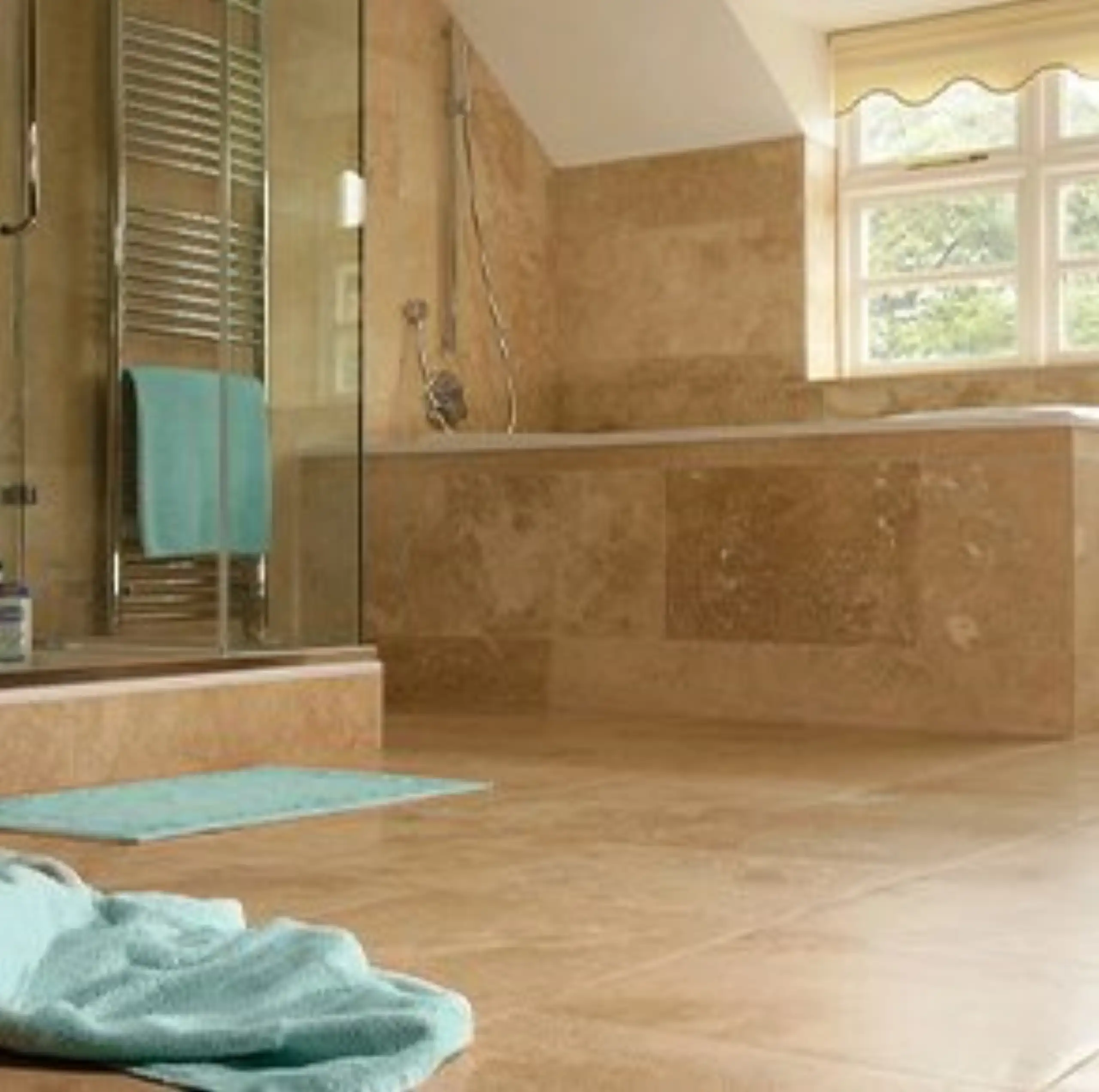
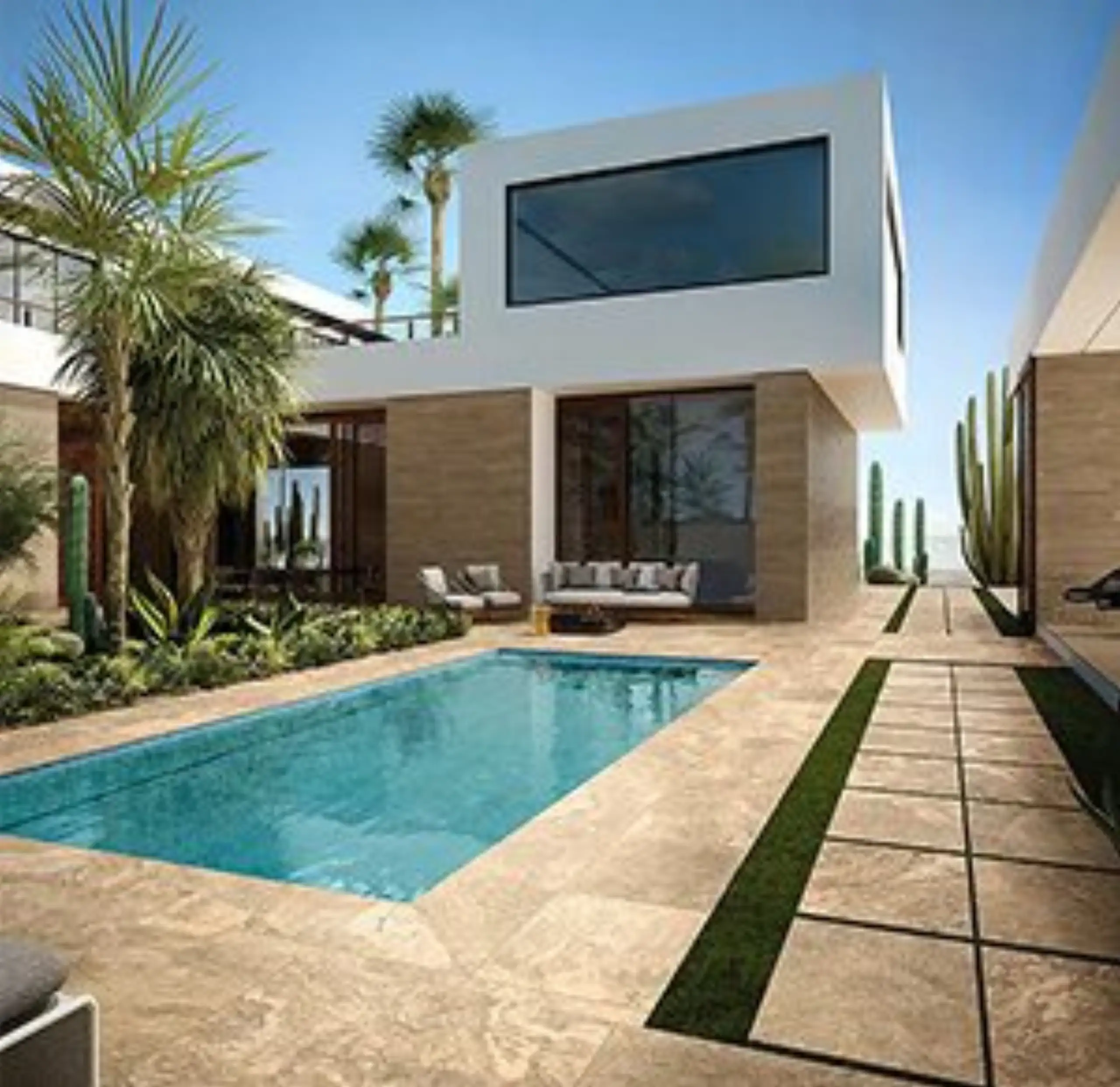
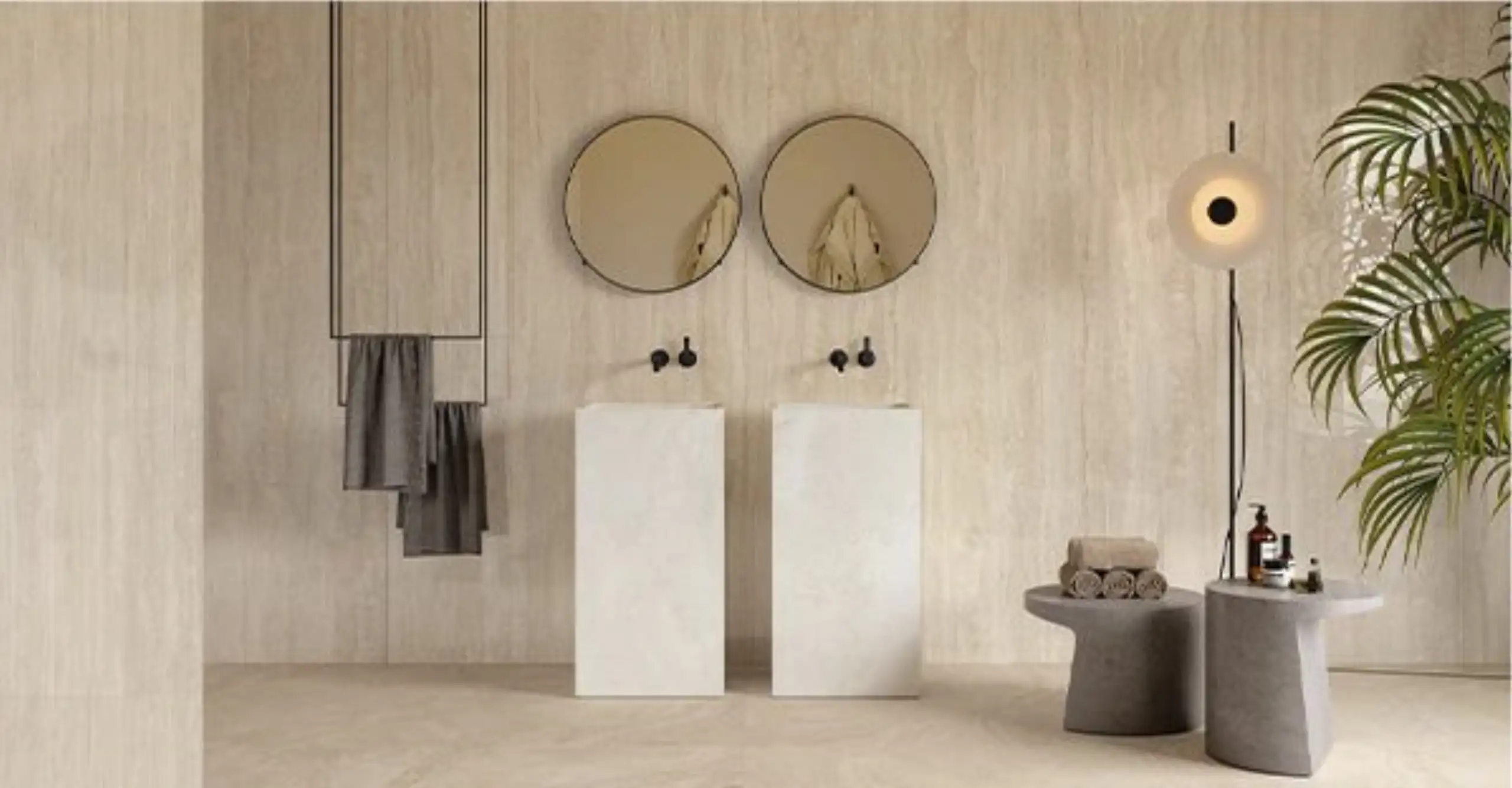
-

Travertino Tivoli
Read more -

Machu Picchu Travertine
Read more -
Travertino Oro
Read more -

Roman Travertine
Read more -

Platinum Travertine
Read more -

Alpaca Travertine
Read more -
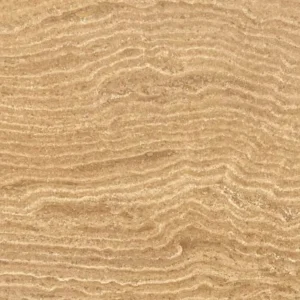
Yurac Travertine
Read more -

Mocha Onyx Travertine
Read more -

Black Travertine
Read more -

Scabas Travertine
Read more -
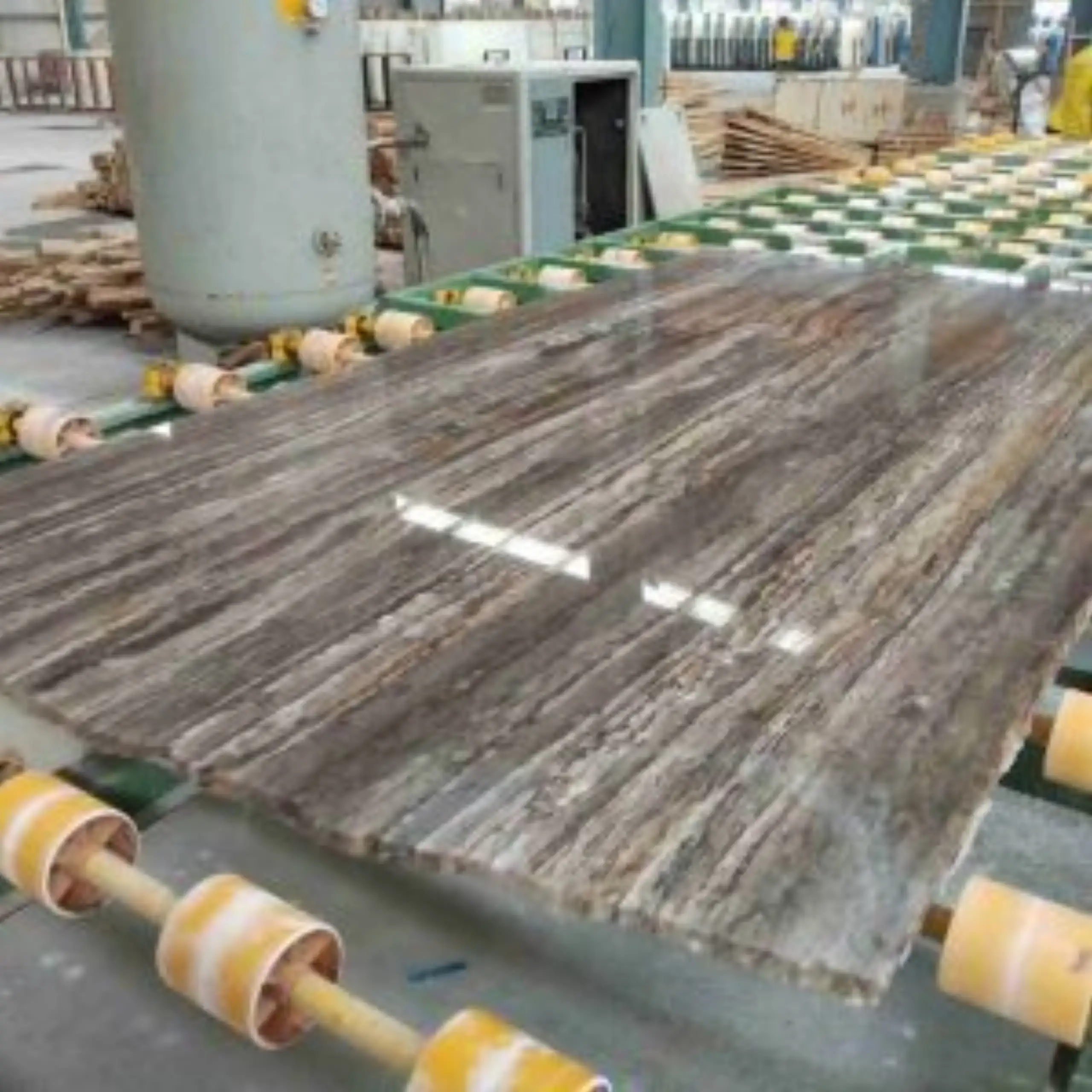
Silver Travertine
Read more -

Antique Parma Travertine
Read more -

Alabastrino Travertine
Read more -
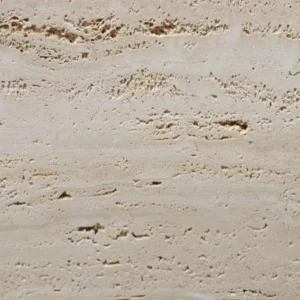
Navona Travertine
Read more -
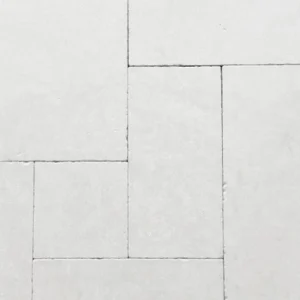
Capri White Travertine
Read more
Cream
This color is considered a popular choice among designers. It helps us feature a warm tone that can range from deep beige to light ivory.
Beige
This is one of the most common options chosen for different applications. It helps us achieve a neutral hue that complements different color schemes.
Gold
Gold-toned travertine adds a touch of luxury and warmth to our projects. It has different shades ranging from vibrant gold to deeper, softer gold.
Brown
It features tones that can vary from rich chocolate to light tan. It helps us add an organic and natural feel to interiors.
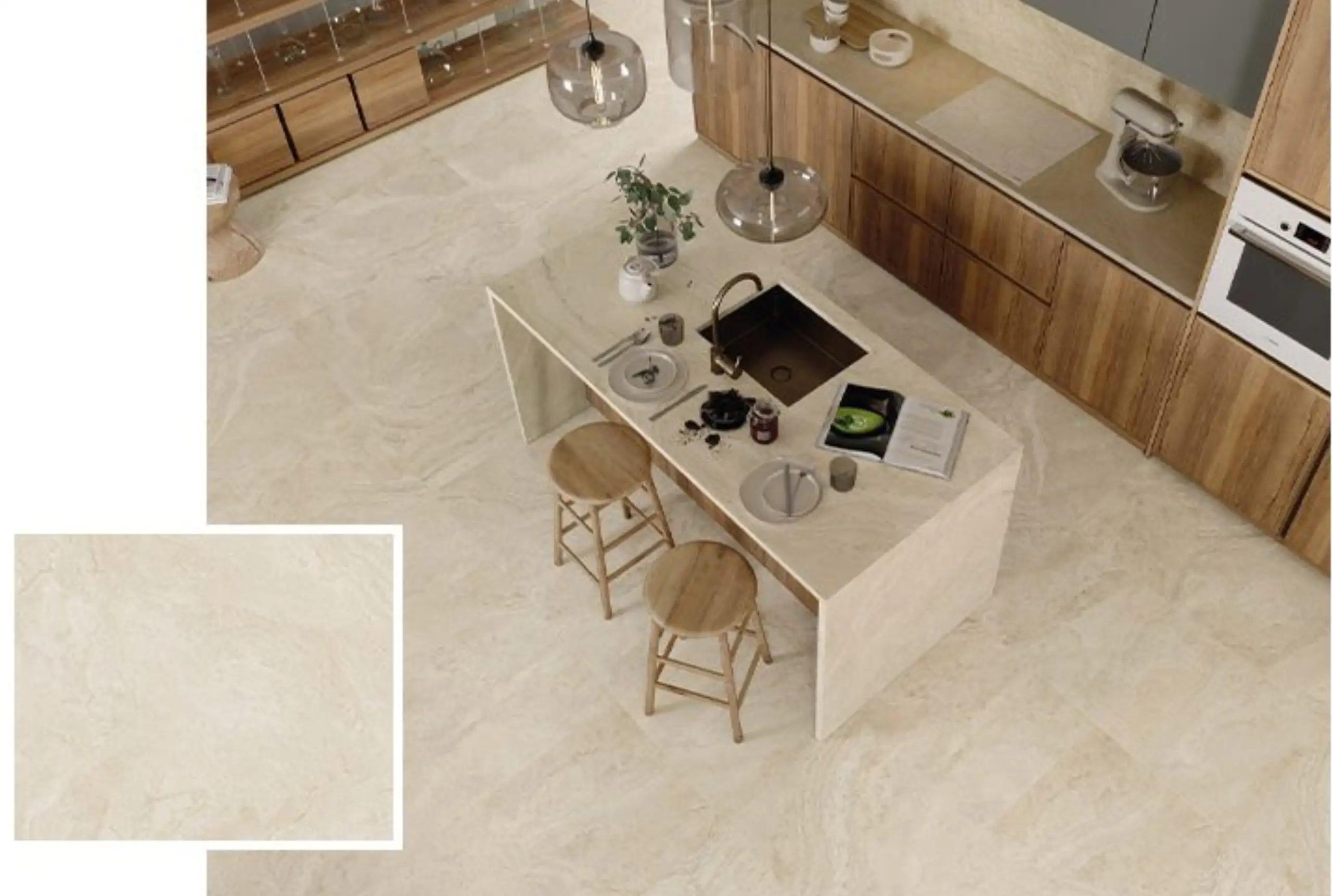
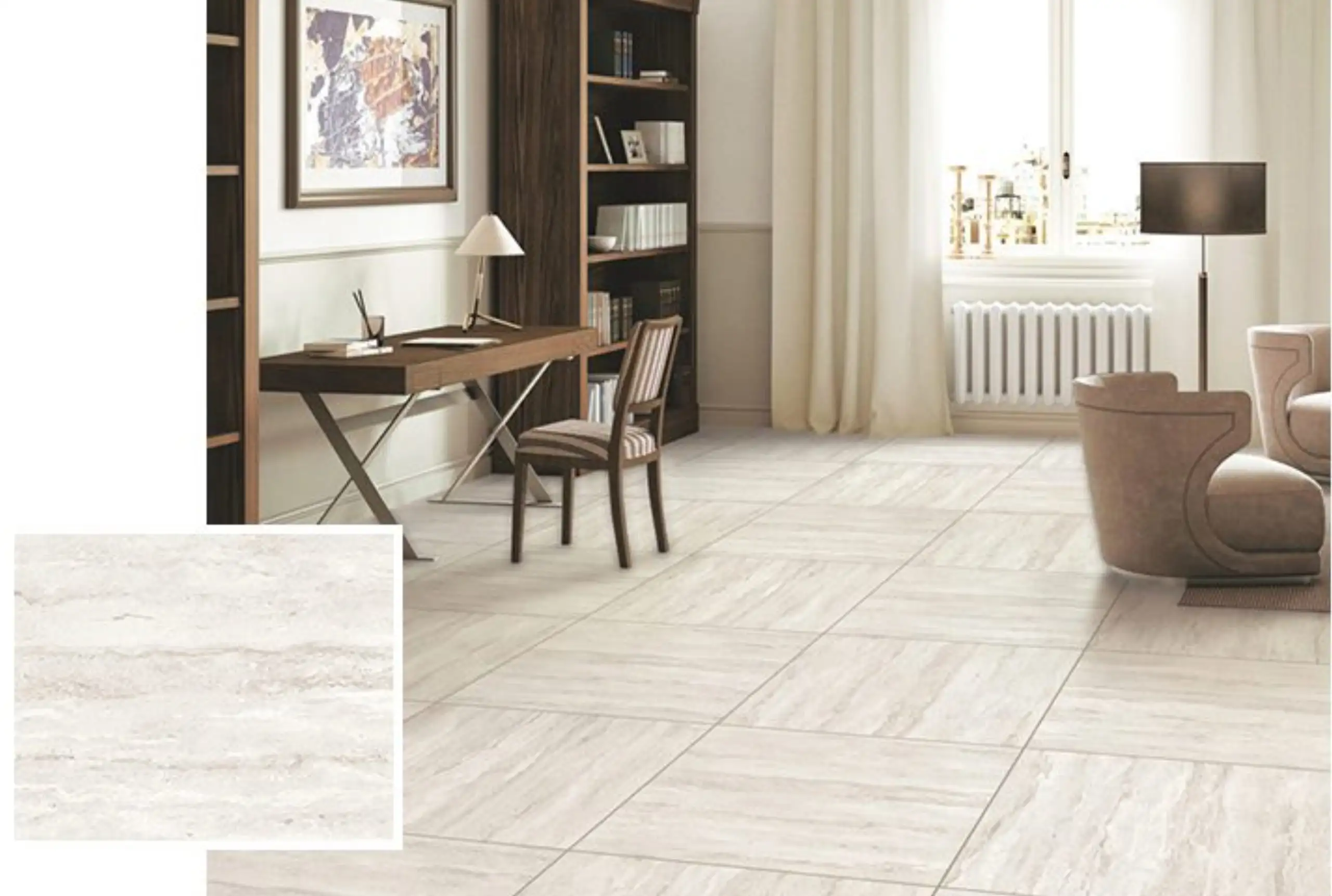
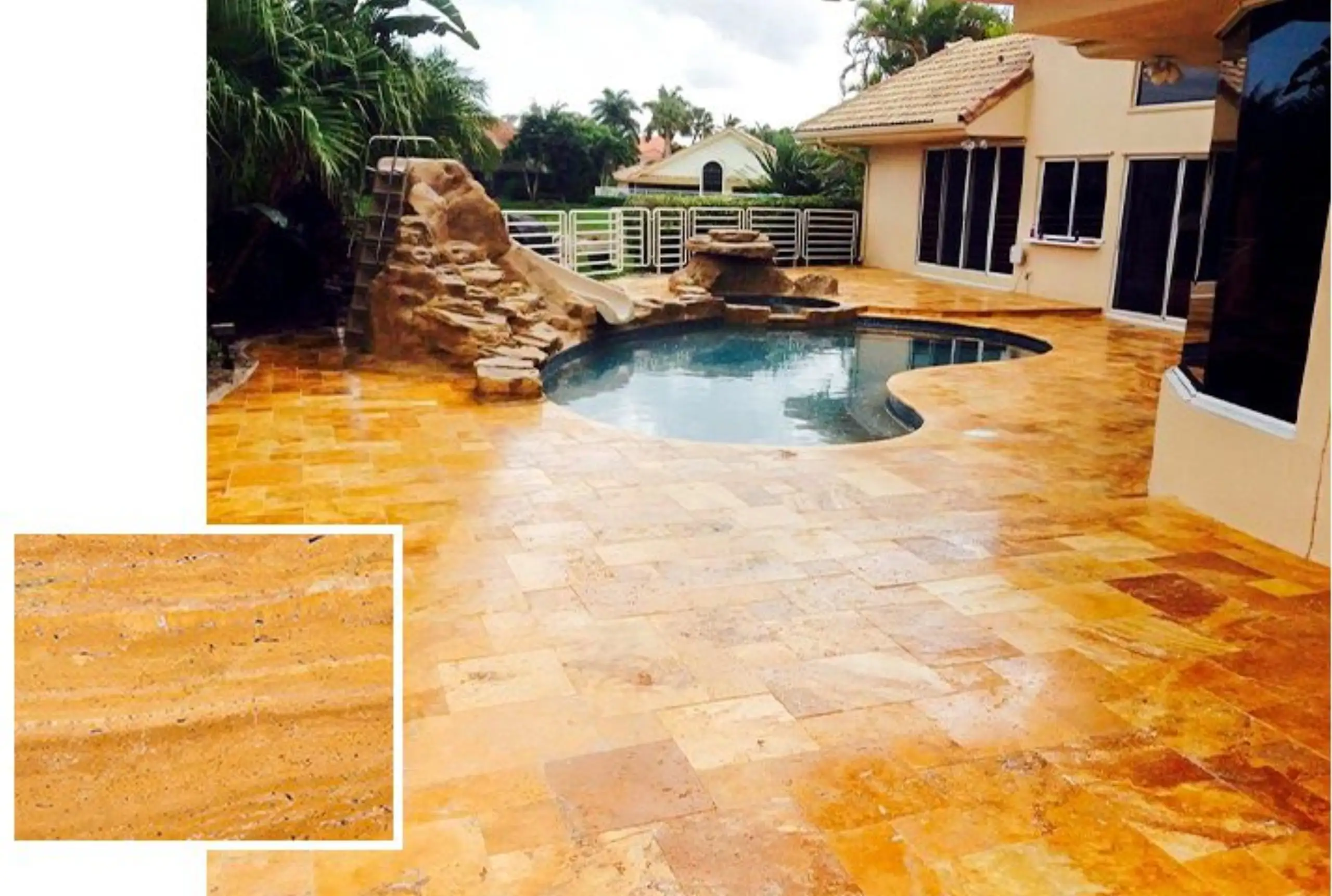
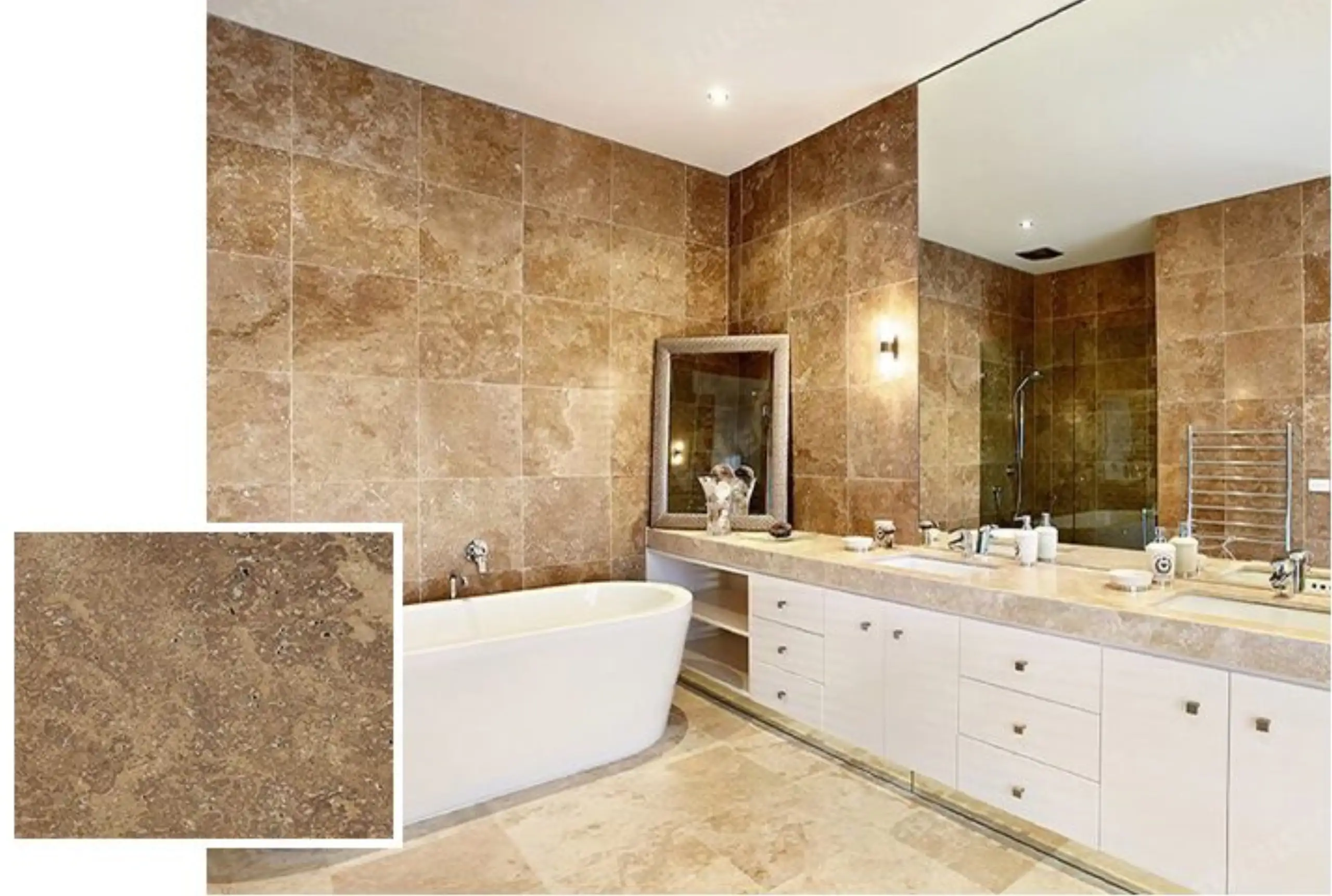
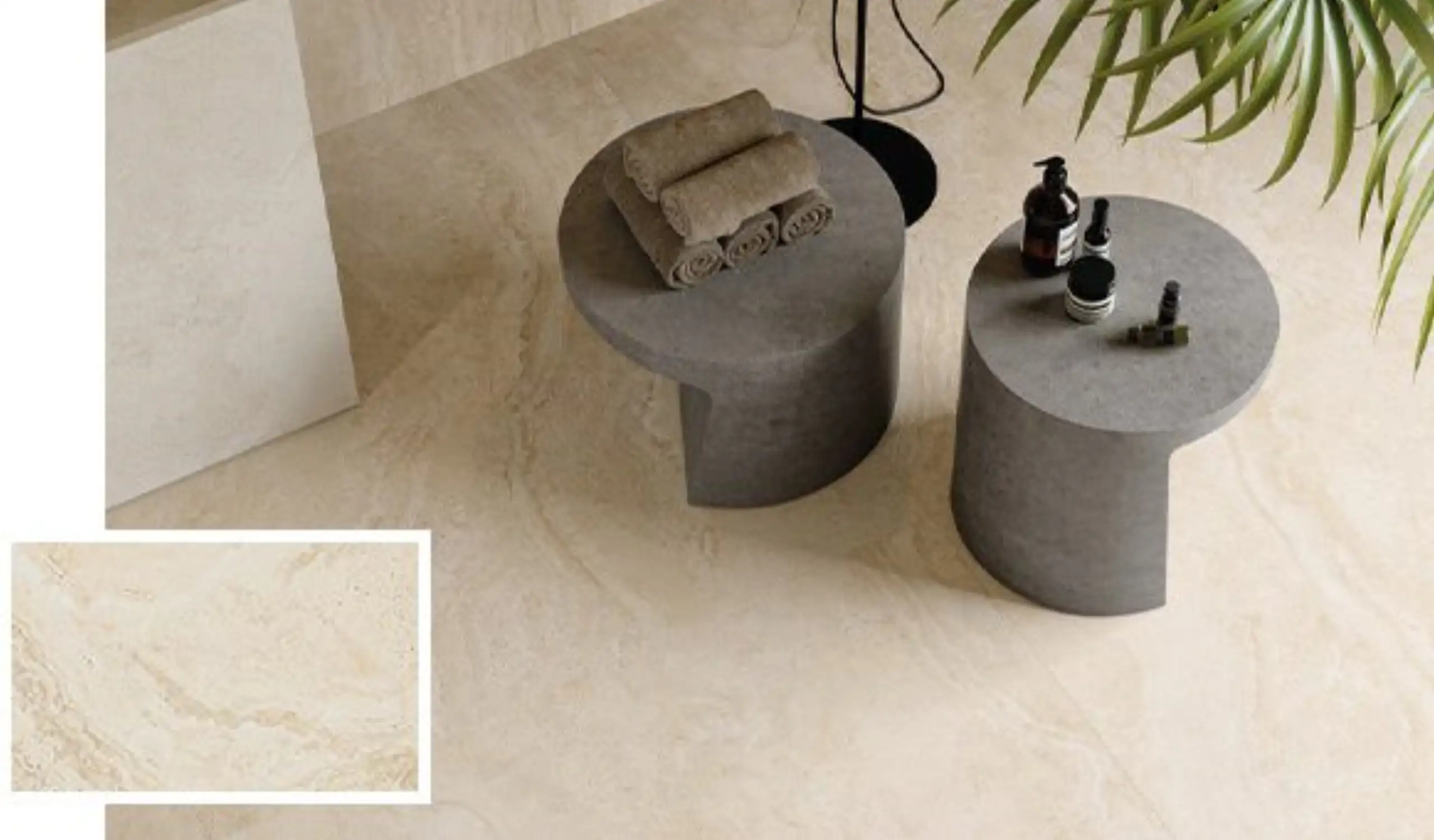
Honed travertine has a smooth and matte finish. Besides, it provides a more modern and refined look.
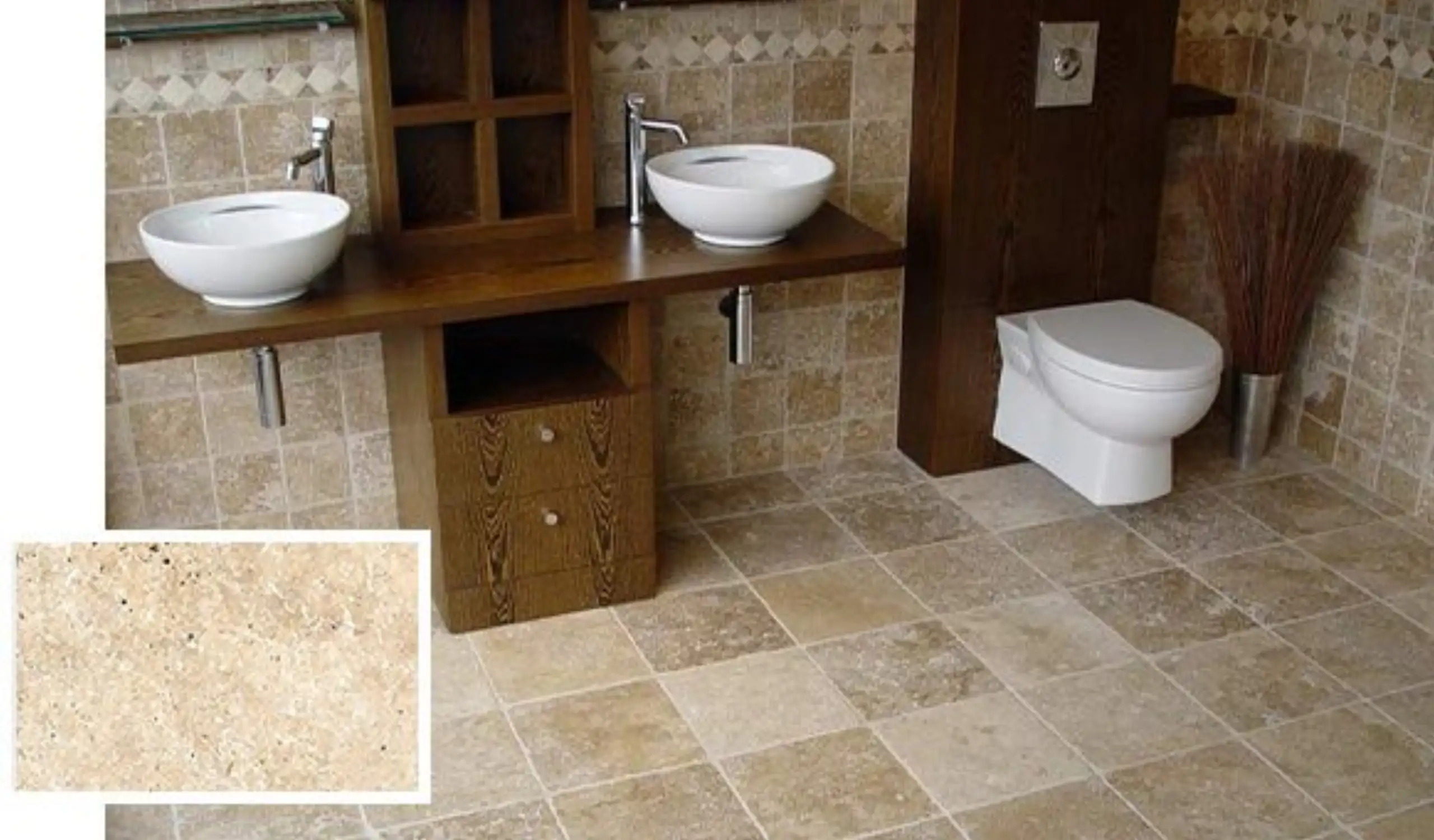
Tumbled travertine has a textured and rustic surface. This surface is a result of tumbling the stone with abrasive materials. As a result, it also helps us achieve a weathered and aged appearance.
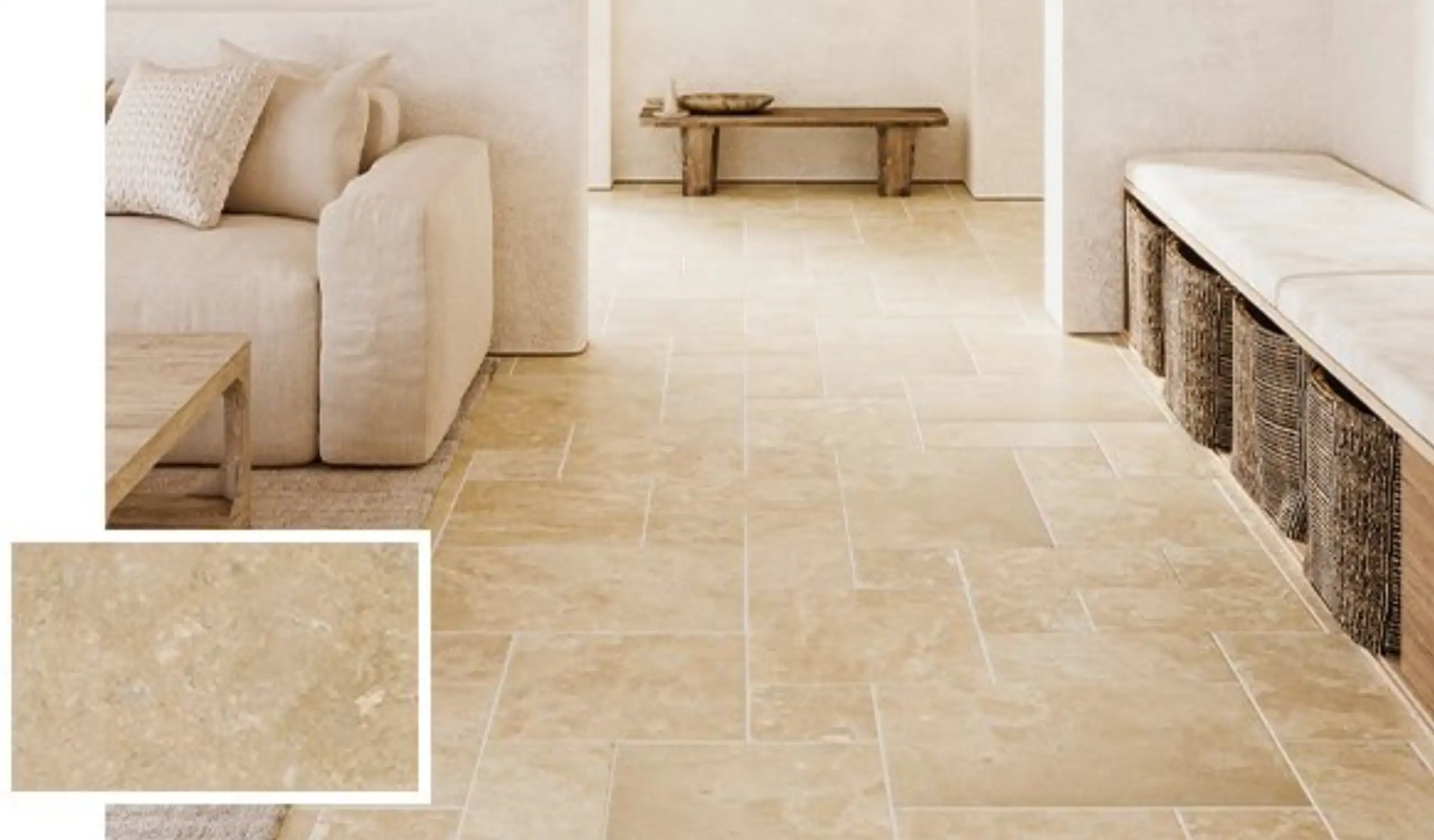
Brushed travertine comes with a slightly textured surface. We achieve this type of texture by brushing the stone with a wire brush. As a result, it helps us create a more natural, worn look.
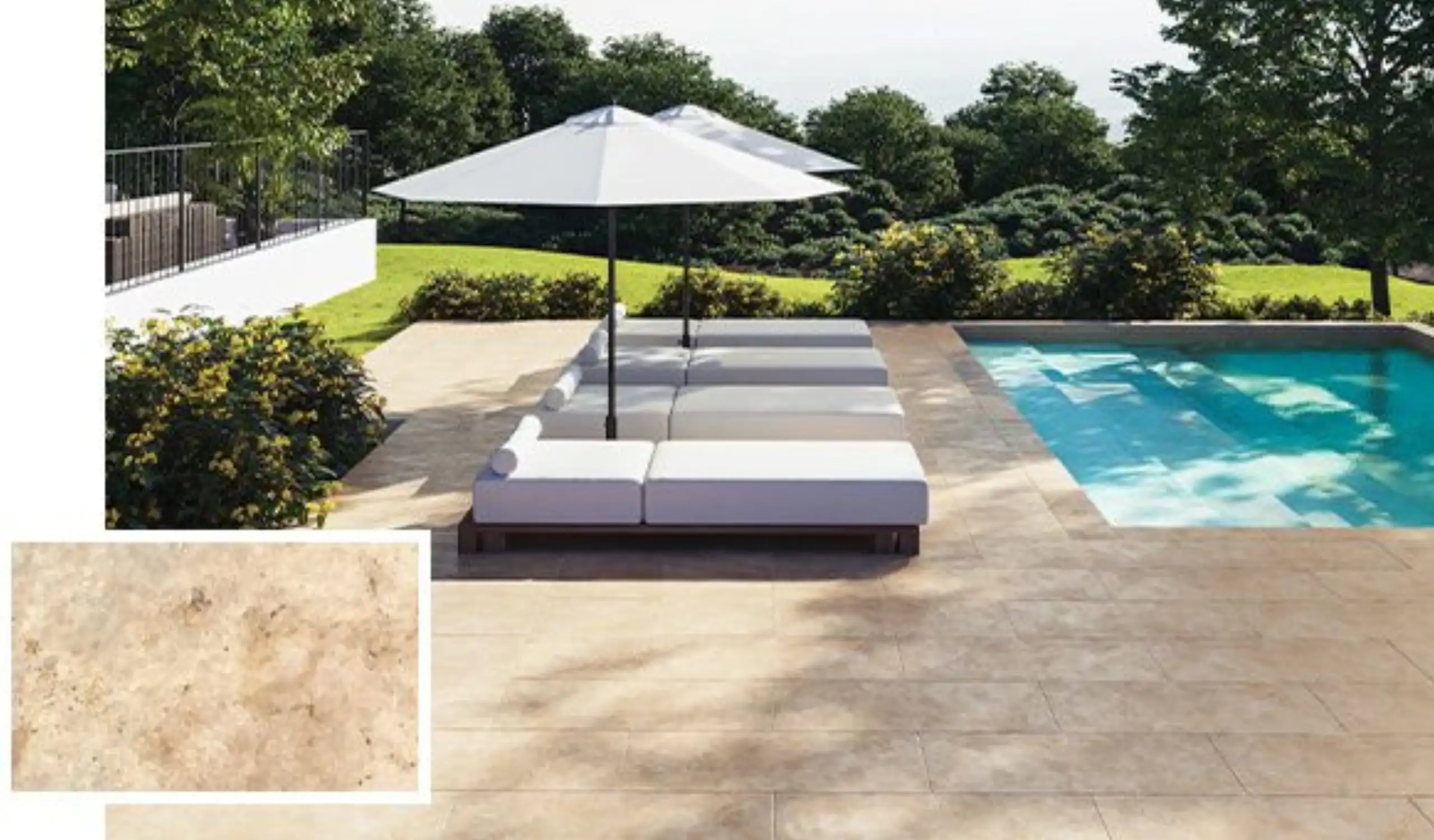
Filled travertine has its natural voids and holes filled with grout or resin. Hence, it helps us create a smoother and more uniform surface.
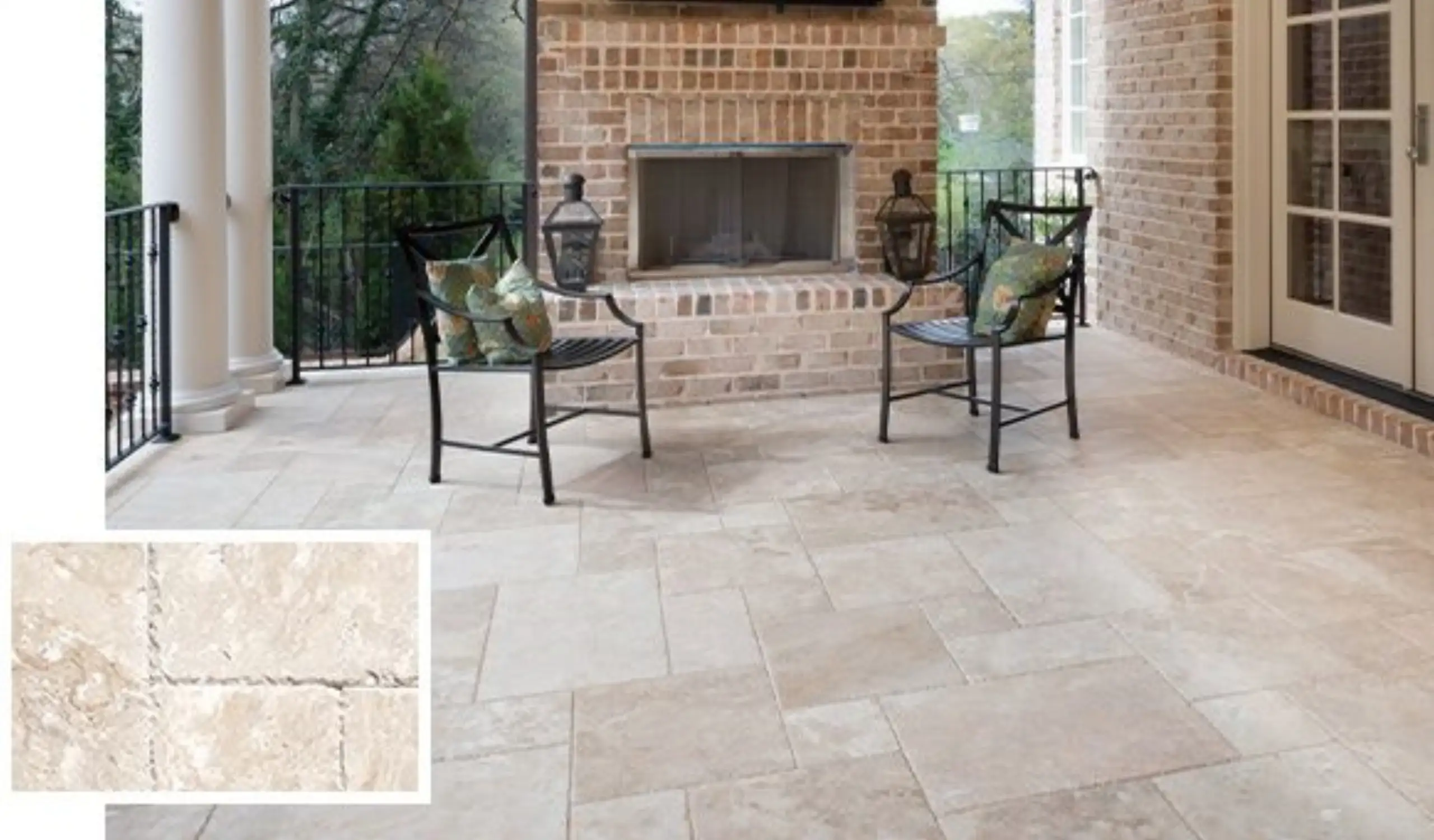
Unfilled travertine retains its natural pits and voids. As a result, it has a more textured, organic appearance.








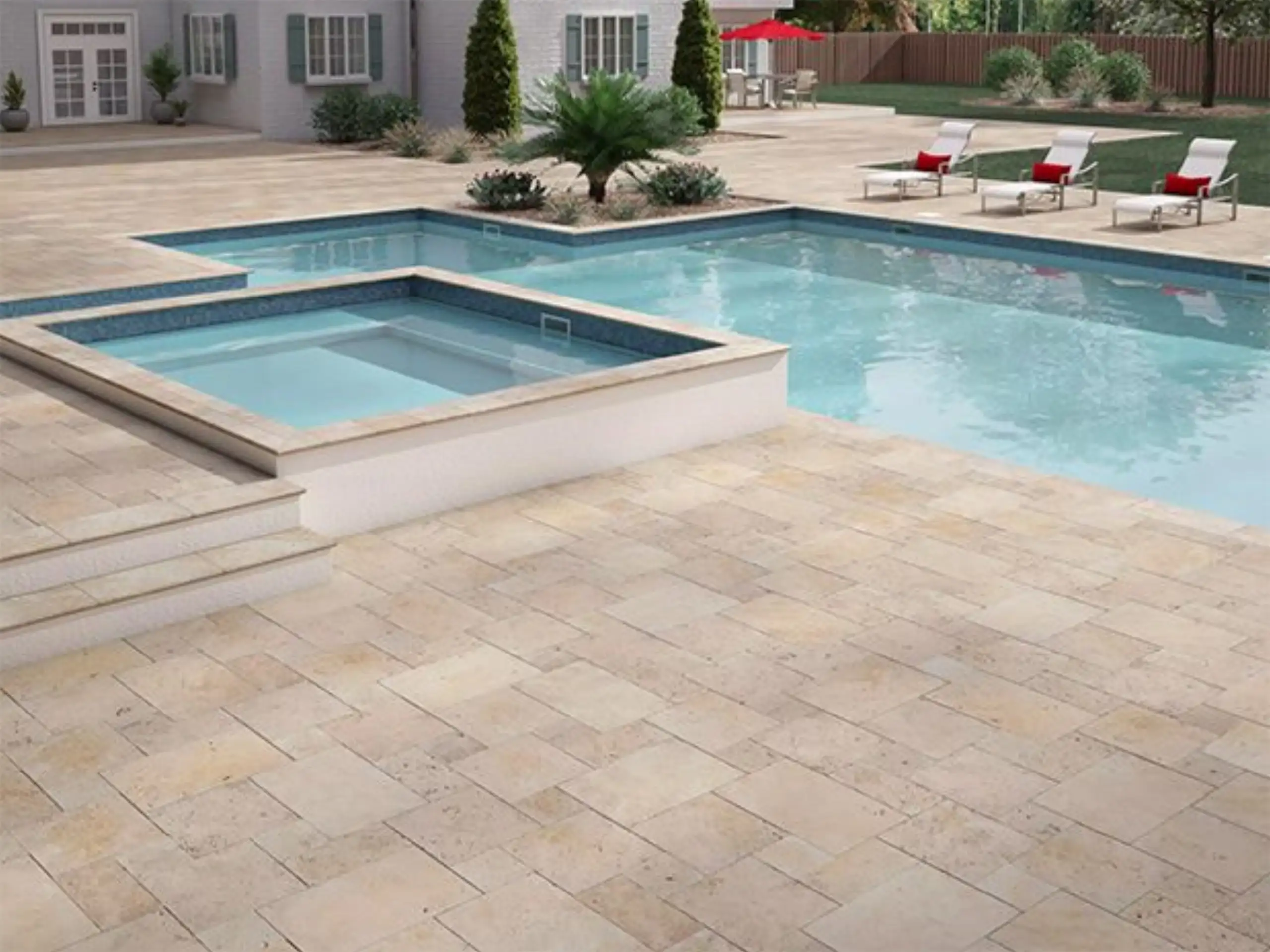
1.What Is Travertine Rock?
Travertine forms when various minerals dissolved in groundwater precipitate. The fact that it is a particular kind of limestone is intriguing.
Hot springs have deposited this stone. It is renowned for its distinctive look, just like many other construction stones. Simultaneously, it is available in incredible earth tones such as beige, rusty red, tan, and brown. On the other hand, the minerals present at the formation site determine the composition of travertine.
The Colosseum in Rome, Italy, is one of the most well-known structures made of travertine. Travertine that was mined nearby was used to build it. The Colosseum’s exterior exemplifies the enduring beauty and resilience of travertine.
You can find this stone utilized in a variety of architectural projects for
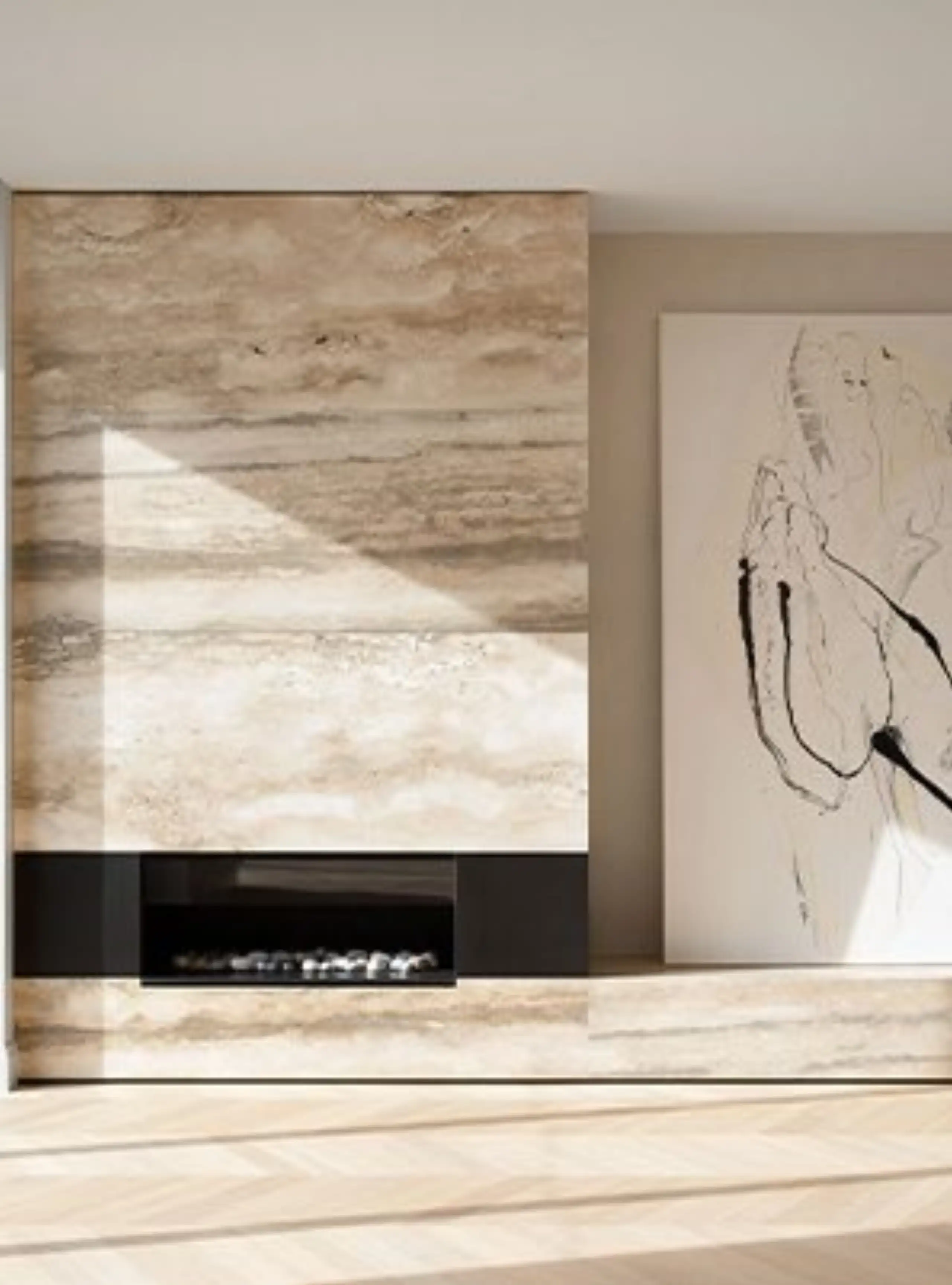
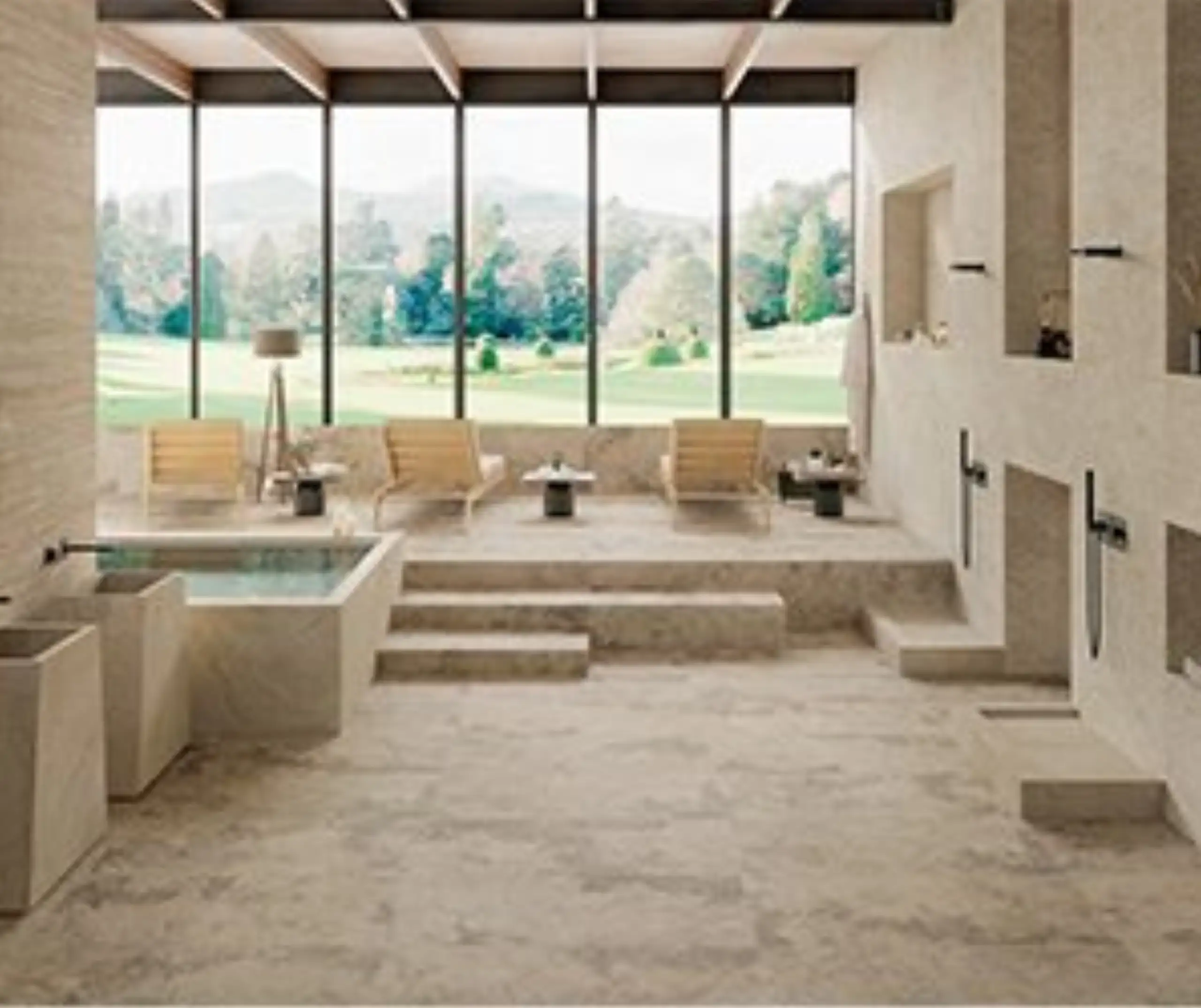
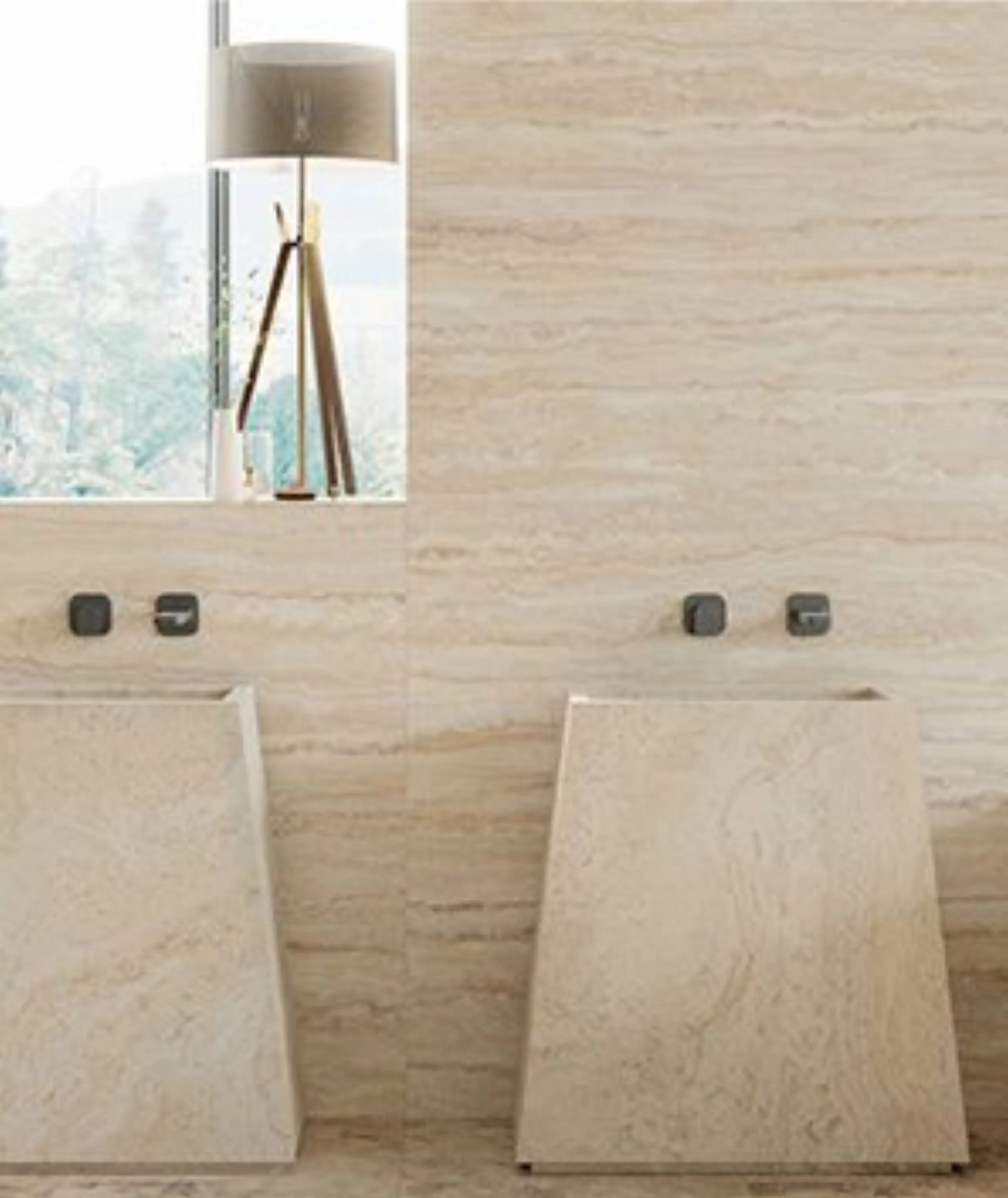
- Wall cladding
- Floors
- Countertops.
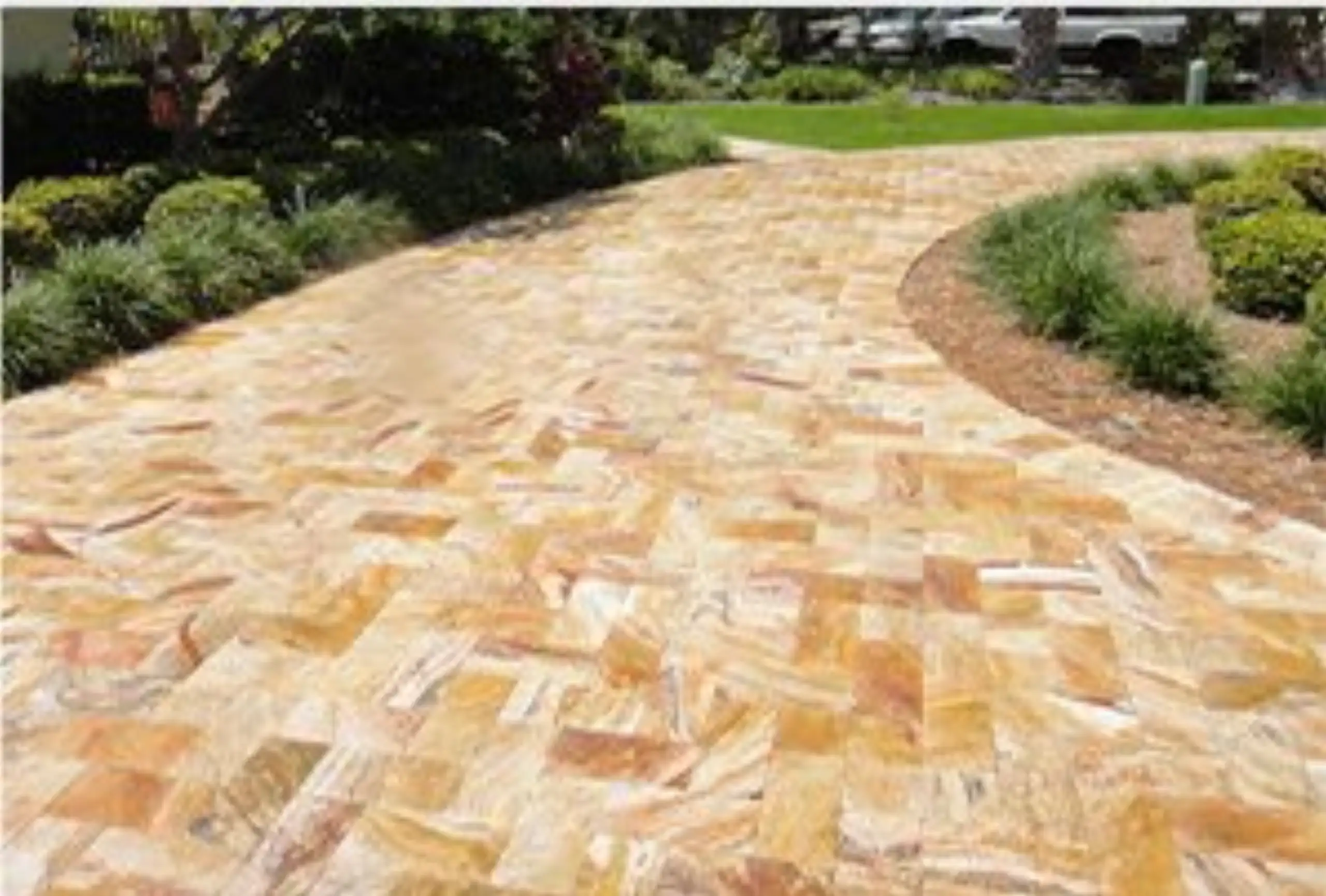
People prefer this stone because of its inherent beauty and durability. Additionally, it’s utilized in landscaping for elements like patios, paths, and pool decks.
Depending on the desired aesthetic, the natural holes and pits in travertine can be filled or left unfilled.
2.Where Can We Get the Travertine Rock?
As we know travertine is naturally beautiful, and it is also durable for many applications. Interestingly, we find it mostly in regions with geological activity. According to experts, people find it mostly near the limestone deposits and hot springs. Some major countries producing travertine are listed below.
- China
- Italy
- Turkey
- Mexico
- Peru
- United States.
According to our research, Italy is known for producing travertine that is used in historic structures. At the same time, you can find many varieties of Travertine in Turkey. This place helps you get different travertine colors to match other projects. In Turkey, Denizil is the biggest producer region of travertine rock.
You can also find many colors and patterns of travertine in Mexico. Finally, USA citizens can get the travertine from regions like California, Arizona, and Colorado.
3.What is the Material Composition Of Travertine Tiles?
The main composition element of travertine tiles is calcium carbonate.
You must know that this mineral is mostly found in the limestone. Travertine formation forms from water rich in calcium carbonate flowing through limestone. Apart from limestone, other porous rocks also play a role in travertine formation.
When the evaporation occurs, it leaves calcium carbonate deposits. Then, it accumulates from time to time to form travertine. Interestingly, travertine also consists of other minerals such as silica, iron, and organic impurities. As a result, they give us different colors and patterns of the travertine. It is to be noted that the color and pattern of travertine depend on the types of minerals present in its formation.
Let’s take an example. If you want warm yellow, red, or brown travertine, choose travertine with a higher iron content. On the other hand, if you wish to vein patterns in the travertine, select one with a higher silica content.
4.What Do You Mean By the Hardness of Travertine?
The hardness of travertine refers to its ability to withstand scratching, pressure, and wear.
Interestingly, the hardness of travertine is an important factor to consider when choosing it for many applications. You can determine the hardness through its formation process and mineral composition.
This stone is made of calcite, which is relatively soft. Therefore, travertine tends to be more susceptible and softer. It can easily get scratched compared to other materials like marble or granite. However, the presence of impurities, the formation process, and the density of the stone can also determine its hardness.
For example, filled and honed travertine is more durable and less porous. These kinds of stones are more suitable for high-traffic areas. On the other hand, brushed stones can be softer and more prone to scratching. Therefore, you should use travertine for low-traffic areas or decorative purposes.
5.What Are the Different Finishes Available for Travertine?
Finish | Description | Suitable Applications |
Polished Finish | Glossy and smooth appearance that helps us achieve natural colors and veining. | Floors Countertops |
Honed Finish | Matte appearance to help us achieve a matte surface. | Walls Floors Countertops |
Tumbled Finish | Rustic appearance with a textured surface and rounded edges. | Patios Walkways. |
Brushed | Textured surface with a naturally rough feel | Suitable for indoor as well as outdoor. |
Filled and Honed | Voids and pits filled with color-matched resin Honed to a smooth finish Uniform appearance while maintaining natural beauty. | Better for high-traffic areas |
6.What Are the Different Patterns Available for Travertine?
Pattern | Description | Suitable Applications |
vein cut travertine | It helps us achieve cuts parallel to natural bedding planes. These cuts are similar to long veins. | Wall cladding Feature walls. |
cross cut travertine | These cuts are perpendicular to the bedding planes. | Flooring. |
honed and filled travertine | Voids and pits filled with color-matched resin. They help us achieve a uniform appearance while maintaining natural beauty. | Indoor use of high-traffic areas. |
chiseled edge travertine | Rough, uneven edge for a rustic appearance. This pattern is created manually. | Accent pieces Wall cladding. |
french pattern travertine | The layout consists of four different sizes of tiles or pavers laid in a repeating pattern. It helps us achieve a classic and elegant look. | Outdoor paving Pool decks. |
Random Pattern | Irregularly shaped tiles or pavers are laid in a random arrangement. These patterns help us achieve a natural, organic look. | Indoor and outdoor applications. |
7.Which Popular Sizes Are Available for Travertine Rock?
It is important to note that you can select different sizes of Travertine based on your project requirements. Some suppliers are also good at customizing the sizes for their customers. Let’s explore some of the most popular sizes in the market
1. 12×12 inches
This size is the standard size for the Travertine rock. You can see its common uses in wall and flooring applications. It can help us achieve a classic look. Moreover, this size is highly versatile.
2. 16×16 inches
This size is also known as square tile size. Moreover, it is slightly larger than the previously mentioned size, 16×16. It can also help us achieve a classic look. However, it comes with fewer grout lines.
3. 18×18 inches
It is a larger square tile size. You can find its common applications in flooring in larger spaces to create a more expansive look.
4. 24×24 inches
This size is preferred for highly spacious areas. Moreover, it can help us achieve a modern and open feel.
5. 4×4 inches
It is a smaller square tile size. It is common in backsplashes, accent borders, or smaller flooring areas.
6. 6×6 inches
Another smaller square tile can be used for backsplashes, accent pieces, or smaller flooring areas.
8.What Are the Key Differences Between Travertine and Marble?
You might have seen a large number of applications where users are confused between choosing between marble and travertine. Knowing the differences between them can help you choose the right stone quickly. Let’s explore those differences:
1. Composition
Travertine is mostly formed near hot springs. Calcium carbonate precipitation is the main component of travertine’s formation. On the other hand, marble is a form of limestone. However, it undergoes a metamorphic process. This process aims to give marble a crystalline structure. The limestone is recrystallized under high pressure and temperature to form the marble.
2. Appearance
Travertine has a higher degree of porosity, with visible troughs and holes. This structure forms due to the escape of gases during formation. However, depending on your required finish, you can fill these holes with resin. On the other hand, marble has a smoother and more polished appearance. It comes with the characteristic veining pattern. The mineral impurities inside marble cause veining, such as iron oxide, sand, silt, or clay.
3. Durability
Marble can easily be scratched and etched by citrus juices or vinegar. In other words, marble is more sensitive to acidic substances. On the other hand, travertine is more susceptible to scratching and staining due to its soft nature. But you can seal it to improve its durability.
4. Use
Marble is often used in areas where a more luxurious or elegant look is desired, such as in bathrooms, countertops, and flooring.
Travertine is commonly used in outdoor applications like patios and pool surrounds, as well as indoor flooring and countertops.
5. Maintenance
You must maintain it regularly, no matter which stone you prefer for your project. Regular maintenance is important for elongating the lifespan. It includes sealing, which helps protect our stone from scratching and staining. It also requires regular cleaning with a pH-neutral cleaner.
9.Can We Use Travertine for Kitchen Countertops?
You can use travertine slabs for kitchen countertops. However, you should keep some important points in mind. These are listed below:
👉This stone is not as dense or hard as other natural stones. Therefore, it can get more scratches. At the same time, it can also get stains easily if not properly sealed.
👉You must maintain it regularly to maintain its natural beauty and increase lifespan. Make sure that you are using a pH-neutral cleaner to prevent damage.
👉It has a natural look. Therefore, it might not be suitable for all kitchen styles.
👉It can be a budget-friendly option for your kitchen countertops. However, the prices of these stones depend on different factors such as colors, patterns, and location.
10.What Are the Pros and Cons of Travertine Tiles?
Some of the most common pros and cons of travertine tiles are listed below:
Pros
✔️This precious rock is known for its unique natural beauty. It can help us achieve beautiful earthy tones. At the same time, you can also get a large variety of textures. Therefore, it becomes popular for adding warmth and character to your project.
✔️Travertine rock is highly versatile. Therefore, one can use it in various applications. You can get different finishes for different projects. These finishes include tumbled, brushed, honed, and polished. As a result, you can use it for different aesthetic options to build different styles.
✔️Travertine can withstand different high-traffic areas due to its excellent durability. Moreover, it is suitable for indoor and outdoor applications.
✔️Travertine can be the best choice for places with a warmer atmosphere. This is because travertine gives a cool touch to the surface.
✔️It is one of the most cost-effective solutions compared to granite and marble. In other words, it is less expensive than the other two stones.
Cons
❌Travertine has a higher degree of porosity. As a result, it can get stains easily and absorb a higher amount of water. Therefore, you need to seal it regularly to protect against all these issues.
❌Due to the soft nature of travertine, it gets scratched easily. In other words, travertine is sensitive to acidic substances.
❌Travertine is a high-maintenance rock. It includes sealing cleaning with a pH-neutral cleaner. This helps us enhance its natural beauty and prevent damage.
❌You can find travertine anywhere in the world. However, some colors and patterns are limited compared to the other natural stones.
❌Travertine costs higher for maintenance compared to the other natural stones.
11. Do People Consider Travertine Tiles Outdates?
Such opinions may vary across the globe and the choices of different individuals. For example, if you want to design a restaurant that looks old, travertine can be the best choice. The fact that it is considered outdated is because people have been using it for a very long time. Travertine has a long history of applications in various architectural projects. People can see its uses in most ancient Roman and Renaissance buildings.
However, travertine is still an elegant and timeless agent that can add beauty to any project around you. It is important to note that travertine has unique characteristics that contribute to its appeal. It comes with distinctive veining and natural color variations. At the same time, it is also a popular choice for different applications such as flooring and countertops for years.
Nowadays, a popular trend allows people to use ancient materials in interior design. At this point, people are preferring travertine for their projects. It provides warmth and texture to our architectural applications. Moreover, it is also a highly environment-friendly choice compared to other materials.
12.Do Travertine Pavers Have Slippery Nature?
Regarding the travertine pavers, you should consider some major factors when considering the slipperiness.
- One of the most contributing factors is the polished surface of the travertine. In other words, the travertine’s finish decides the travertine’s slipperiness degree. Some finishes such as honed, tumbled, or brushed, can affect its slip resistance.
- Tumbled travertine has a more textured surface. As a result, it provides better traction. Furthermore, this makes it less slippery than a polished finish.
- One more factor contributing to the slipperiness of this rock is the presence of water or moisture on the surface. Wet pavers are more slippery than dry ones. Moreover, slipperiness increases when they have a polished or smooth surface.
According to experts, you must choose a surface with resistance to slipping. However, it still depends on applying your travertine pavers, and where you use them.
13.Can We Use Travertine for Shower Walls?
You can use this naturally beautiful rock for shower walls. However, experts have some considerations for users to keep in mind. It is a porous stone with a higher porosity level than other natural stones such as marble or granite. This means that it can be more prone to water absorption or staining. Therefore, you must seal and maintain it properly.
You should also clean it regularly with a mild detergent and a soft cloth. This will help protect your stone from soap scum buildup and maintain its appearance.
You must know that travertine is less dense than other natural stones. Therefore, it can be more susceptible to scratching and etching. This condition usually results from abrasive materials or harsh cleaners. You should take care of it gently to avoid using abrasive scrubbing pads.
14.What is the Right Time to Seal Travertine Tile?
All in all, we know that sealing the rock can protect it from various damages. However, choosing the right time to seal can greatly benefit your project. In other words, sealing the stone at the wrong time and method can cause more damage.
When considering the time to seal your travertine tile, you should consider multiple factors. Let’s discuss all those factors one by one. Some of the common factors are finish and location. According to experts, if you have a newly installed rock, seal it before grouting to protect it from staining. This will also prevent staining during the grouting process.
Once you install this rock, you must wait for some time to cure fully. Depending on your product and installation conditions, it can take a few hours to a few weeks.
However, if you are talking about sealing the existing tile, the right time to seal it comes when the sealer has worn off or no longer provides protection. When you notice that it is absorbing more water and the stone is stained, you must understand that it is the right time to seal it.
If your tiles are installed in high-traffic areas, you must seal them more than those in low-traffic areas. Regular cleaning and maintenance can enhance the lifespan of the sealer.
15. What Should I Look For In Reliable Travertine Suppliers?
Reliable Travertine Suppliers like George Stones offer premium-quality travertine tiles and slabs, customization options, and expert support to match your project’s needs.
16.What Are The Common Applications Of Products From Travertine Suppliers?
Products from George Stones, trusted Travertine Suppliers, are ideal for countertops, flooring, wall cladding, and backsplashes, offering a timeless, rustic look.
17.Are Travertine Products From Travertine Suppliers Eco-Friendly?
Yes, George Stones uses sustainable quarrying and processing methods, making their travertine products eco-friendly and responsibly sourced.
18.Do Travertine Suppliers Provide Delivery Services For Large Orders?
George Stones offers reliable delivery for large travertine orders, ensuring materials arrive safely and on time for any project size.